

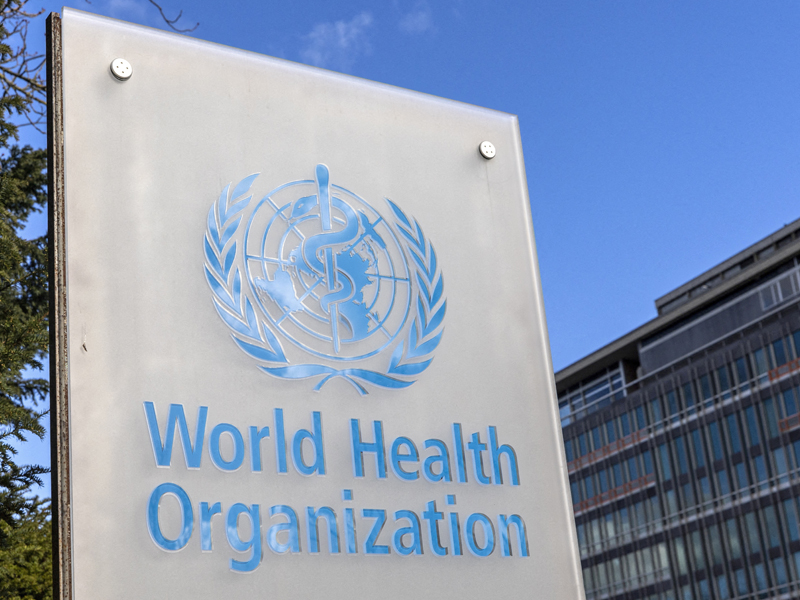
The WHO said Tuesday that vaccination recommendations are based on extensive scientific evidence and expert assessments as President Donald Trump moves to reduce the number of childhood vaccines recommended in the United States.
Trump signed the order on Monday, saying the revised schedule would provide children with “gold-standard” protection while bringing the US closer to other developed countries that recommend fewer vaccinations.
Health experts, however, have cautioned against comparing vaccination schedules across countries, noting that nations face different disease risks and have varying healthcare systems.
WHO spokesperson Tarik Jašarević said vaccination guidance was based on more than 60 years of research involving the WHO, national health authorities and independent expert groups.
He said the timing of individual vaccines is determined by assessing when people are most vulnerable to particular diseases, as well as considering how the immune system develops.
Jašarević said national immunisation advisory groups typically bring together experts from several disciplines to provide independent, evidence-based recommendations to governments and vaccination programme managers.
He added that these groups also draw on guidance from the WHO’s Strategic Advisory Group of Experts on Immunization, known as SAGE, when developing national vaccination schedules.
“What comes out from WHO is science-based,” Jašarević told reporters in Geneva, urging countries to rely on the best available scientific evidence.
Trump’s order has drawn criticism from medical organisations, public health experts and vaccine manufacturers, who say there is no new scientific evidence supporting a reduction in the existing US vaccination schedule.
Doctors have warned that reducing recommended vaccinations could leave more children vulnerable to preventable diseases while creating uncertainty for parents about when children should receive their shots.
The order also calls for the combined measles, mumps and rubella vaccine, known as MMR, to be separated into three individual injections.
Merck, the vaccine manufacturer, has said there is no published scientific evidence showing a benefit from splitting the combined vaccine. The company also warned that requiring separate visits could increase the likelihood of delayed or missed vaccinations.
Goodness Anunobi
Follow us on: