

The United Kingdom government has expanded the categories of prisoners who will be barred from benefiting from planned sentence reductions, including offenders convicted of manslaughter, death by dangerous driving and historic child sex offences.
The measure, announced by the Prime Minister’s Office on Monday, will also cover people convicted of killing emergency workers while they were carrying out their duties, as well as those convicted of causing or allowing the death of a child.
The decision is part of wider changes to the UK’s prison and sentencing system, with the government saying the most serious offenders must remain behind bars for longer while tougher supervision is introduced for some prisoners after release.
The latest exclusions build on earlier measures that prevented offenders convicted of rape, serious child sexual offences and grooming from benefiting from the planned sentence reductions.
The government said murderers and prisoners given life or extended sentences because they are considered highly dangerous were already excluded from the reductions. Such offenders will continue to remain in custody until consideration by the Parole Board.
Burnham expands early-release exclusions
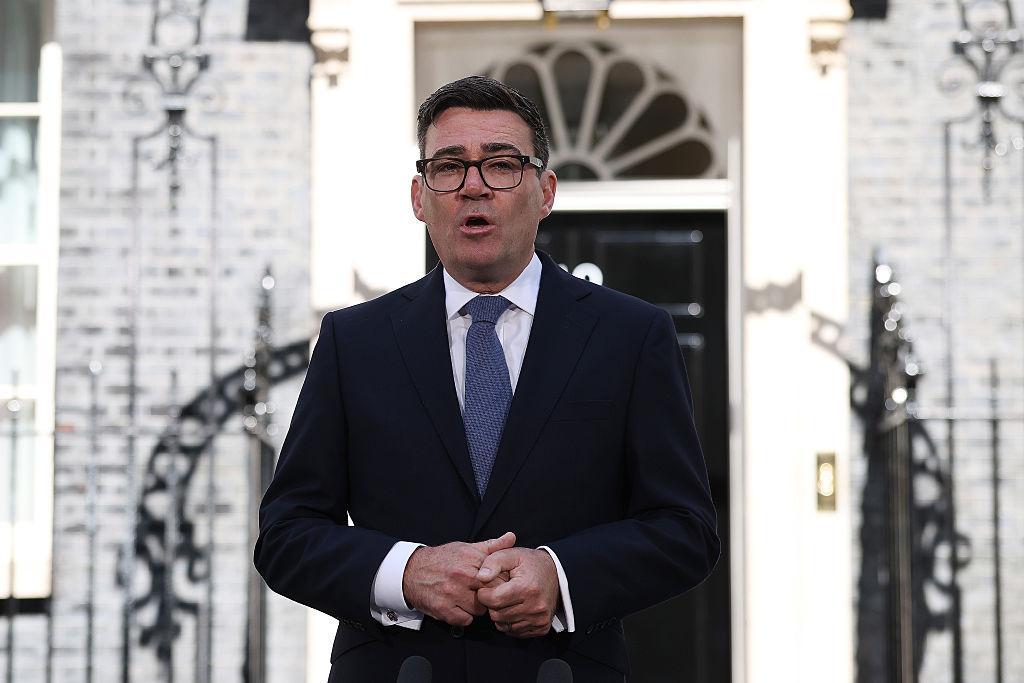
Prime Minister Andy Burnham said the government had deliberately widened the list after concerns over the potential release of serious offenders.
He said the latest decision would ensure that offenders serving sentences for manslaughter and death by dangerous driving would not have their prison terms reduced under the planned changes.
Burnham specifically referred to the case of PC Andrew Harper, saying the new measures would prevent those responsible for his killing from having their sentences shortened.
The Prime Minister acknowledged that he wanted to extend the exclusions further but said the government had to consider the pressure already facing the prison system.
He said the government was operating close to the limits of the prison estate’s capacity and could not introduce measures that might cause the system to become unmanageable.
Tougher controls after prison
Alongside the restrictions on sentence reductions, the government announced plans for tougher supervision of certain offenders once they leave prison.
The proposed measures include electronic tagging and geographical restriction zones designed to prevent offenders from entering areas associated with their victims.
According to the government, some offenders convicted of sexual and violent crimes could be subject to zones covering only a few miles.
Victims would also have input into the design of the restriction areas, while electronic monitoring would be presumed for people released from prison.
Some offenders could face additional conditions, including restrictions on visiting pubs and attending public events.
UK plans to end IPP sentences
The government also announced plans to abolish Imprisonment for Public Protection (IPP) sentences during the current Parliament.
The sentence was abolished more than a decade ago, but some prisoners who received IPP sentences before abolition remain affected by the regime.
The government said it would begin work on the proposed changes immediately and would seek to develop them on a cross-party basis.
Foreign offenders targeted for deportation
Another part of the announcement concerns foreign nationals convicted of crimes in the UK.
The government said it intends to introduce powers early next year that could allow some foreign offenders to be deported soon after sentencing.
Those affected would be prevented from returning to the UK, while people convicted of the most serious offences could spend a significant period in prison before deportation.
Justice Secretary Alex Norris said the government believed offenders responsible for killings and severe crimes against children should face longer periods in custody.
He also linked the reforms to efforts to address longstanding problems in the prison system.
Prison capacity remains a concern
The government said the sentencing measures were being introduced alongside efforts to increase prison capacity and tackle overcrowding.
According to the announcement, adult male prisons in the UK are operating at about 98 per cent capacity.
The government said more than 3,200 additional prison places had been created under the current administration, with a further 14,000 places expected to be available by 2031.
The latest measures therefore combine restrictions on early release for some serious offenders with tougher post-release monitoring, plans to address the legacy of IPP sentences and increased prison capacity.