

By Omoyeni Ojeifo
The Universal Basic Education Commission (UBEC) has said that 36 state governments should properly account for basic education allocations, demanding that federal funds translate into upgraded classrooms, better teaching, and improved student outcomes.
UBEC Executive Secretary Aisha Garba made the call in Asaba during a courtesy visit to the Delta State Government for the Commission’s 30th Quarterly Meeting with SUBEB Chairmen.
According to Ikharo Attah, Special Adviser on Media and Communications to Education Minister Dr. Maruf Tunji Alausa, the meeting centered on restructuring basic education to maximize funding impact.
Stressing that simply accessing matching grants is insufficient, Garba urged states to execute approved projects promptly.
The push for transparency coincides with Delta State revealing it holds nearly ₦1 billion in unutilized education funds, despite completing 90 percent of its 2025 Action Plan.
“There is no education or quality learning without a good teacher or without a teacher in the classroom. You can build as many schools as you want, but learning will not take place,” said the Executive Secretary.
Garba urged Delta to sustain its investment in basic education and fully utilise available UBEC resources, noting that the state had accessed its matching grant up to 2025 and received its 2026 matching grant.
She also encouraged the state to position itself for the education component of the World Bank-supported HOPE Education Programme, which has up to 500 million dollars earmarked for education interventions.
“We want to encourage Delta State to take advantage of the technical support that UBEC is providing and ensure that the funds available are fully utilised for the benefit of the children.”
On his part, Deputy Governor Sir Monday Onyeme, who represented the Delta State Government, clarified that the state’s unutilised education funds stood at about one billion naira, rather than eight billion naira earlier referenced.
He noted that Delta had already received its 2026 matching grant and implemented about 90 per cent of its 2025 Action Plan, assuring UBEC that the state would continue improving its education system.
“We will continue to improve and do our best to ensure that we give education to as many citizens as possible.”
Onyeme described education as one of Delta’s major areas of investment, while Garba stressed that stronger utilisation of available resources remains necessary to ensure that public investment delivers tangible benefits.
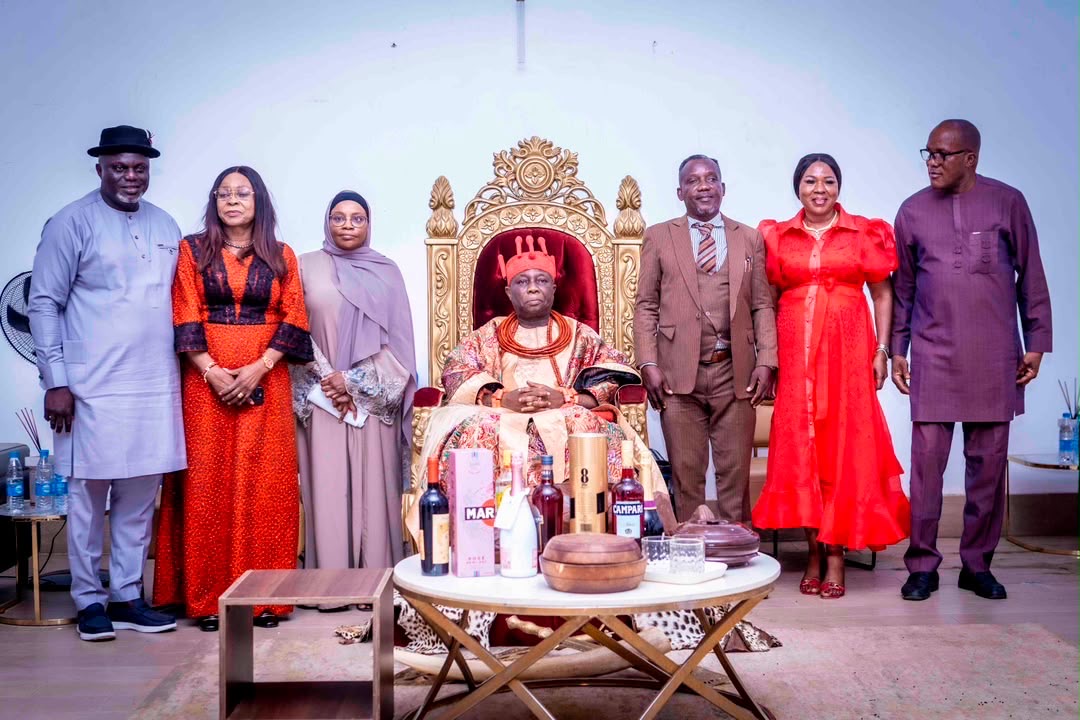
The push for better use of education resources was also extended to traditional institutions, as Garba sought the support of the Asagba of Asaba, Prof. Epiphany Azinge, in advancing the national basic education agenda.
The Asagba described basic education as the foundation for Nigeria’s future and urged UBEC and SUBEB Chairmen to confront challenges in the sector honestly, including ensuring disadvantaged children and those with disabilities are not left behind.
“If you have quality teachers, you produce quality people. The quality of teachers ultimately determines the quality of people produced by the education system.”
The UBEC Executive Secretary, maintained that its objective was to ensure that every Nigerian child, regardless of location or family background, has an opportunity to receive quality basic education, with traditional institutions playing a role in that effort.
Garba emphasized that UBEC, would continue to work with states, traditional institutions and education stakeholders to strengthen basic education, with the broader objective of ensuring that every Nigerian child has access to quality learning.