


As homeownership slips further out of reach in America, more people are spending more of their lives as renters. Millennials and Gen Zs are less likely to own homes than older generations did at the same age, and the median age of a first-time homebuyer recently reached an all-time high of 40, up from 28 in 1991.
That need not be a bad thing. Renting offers many benefits — flexibility, far lower upfront costs, never having to figure out what a “sacrificial anode rod” is — and homeownership is overrated as a savings vehicle.
But being a renter in America (as roughly one in three people here are) can also be a very undignified experience. In most states, your landlord can kick you out when your lease ends for no reason at all, even if you haven’t done anything wrong. Many tenants live in fear of receiving their next lease renewal, not knowing if they’ll be displaced by the next rent hike.
Some progressive policymakers, buoyed by the growing influence of democratic socialism and a resurgent tenant movement, are reviving an old, highly controversial answer to renters’ lack of security: simply ban steep rent increases through rent control.
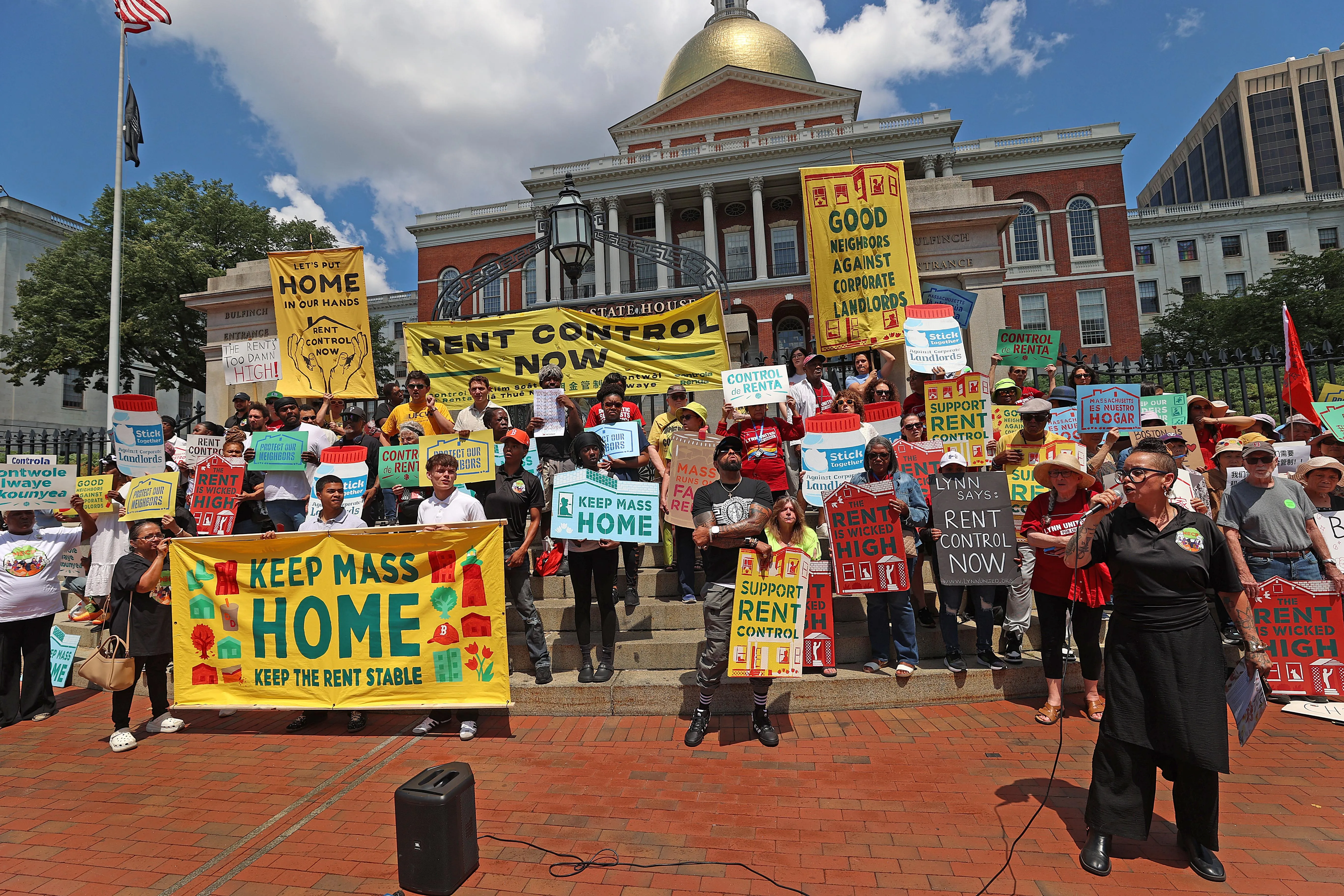
In June, New York City, under Mayor Zohran Mamdani, froze rents on rent-stabilized apartments, which make up about 40 percent of the city’s rental housing stock. Rent control laws have been passed or tightened in recent years in places from Washington state to Los Angeles to Montgomery County, Maryland, and tenant advocates this year have pushed similar measures in Massachusetts, Washington, DC, Providence, Rhode Island, and Redwood City, California.
Decoding rent control jargon
• Rent control: The broad umbrella term for laws limiting how much landlords can charge or raise rents on covered homes. It can refer to anything from a total freeze to a relatively loose cap on the size of annual increases.
• Rent stabilization: A form of rent control that permits rents to rise but limits the size of annual increases, often according to inflation or a percentage set by a government board. It usually implies a less rigid system than a permanent price freeze.
• Rent freeze: A temporary prohibition on rent increases for apartments covered by rent control, like the policy adopted in NYC this summer.
• Vacancy decontrol: A rule allowing landlords to increase an apartment’s rent to its market rate after a tenant moves out. Limits on annual increases then resume once a new tenant moves in.
Rent control’s advocates argue that the policy not only moderates prices, but also offers tenants stability and a firmer claim to their homes. It helps put “the landlord-tenant dynamic on different and more equal footing,” as Siraj Sindhu, executive director of Reclaim Rhode Island, which backed a Providence rent-stabilization ordinance that passed the city council before being vetoed by the mayor, told me.
Those are really important goals. I’m a lifelong renter, having literally never lived in an owner-occupied home, and I hate that I can’t predict what my housing costs will be less than a year from now. But is rent control the best way to achieve stability?
Housing economists have long hated rent control; the Swedish economist Assar Lindbeck famously called it “the most efficient technique presently known to destroy a city — except for bombing.” Decades of research have found that it can have many unintended negative consequences, including depressing housing construction by making it financially impractical to build new rentals. And as we know from today’s crippling housing shortage, nothing is worse for long-term affordability than a scarcity of homes. More recent research, however, suggests that better-designed rent control laws can protect some tenants without having catastrophic consequences for housing supply.
That rent control keeps coming back as a centerpiece of our housing politics reflects just how impoverished our policy ideas are for providing renters what they lack most: predictable costs and secure tenure. The US has an elaborate policy infrastructure to privilege and subsidize homeownership, while treating renting as an afterthought, like a condition of poverty or at best a waystation on the path to buying a house. That makes ever less sense in a country where millions of people will rent for life, whether by choice or necessity.
The truth about rent control is somewhere between both extremes. It can, in some cases, certainly be worthwhile. But it remains a highly limited tool, and others can furnish some of the same benefits without fueling the very affordability crisis that they’re meant to address.
Why economists (mostly) oppose rent control
Rent control polls favorably, and it’s not hard to imagine why — voters despise high prices. Capping rents might intuitively seem fair and costless: The tenant is protected from ridiculously high prices, the landlord profits a bit less, and society as a whole is no worse off. Who could object to that?
In fact, though, many economists vehemently oppose rent control precisely because it isn’t cost-free — it merely moves costs onto others and makes them less visible.
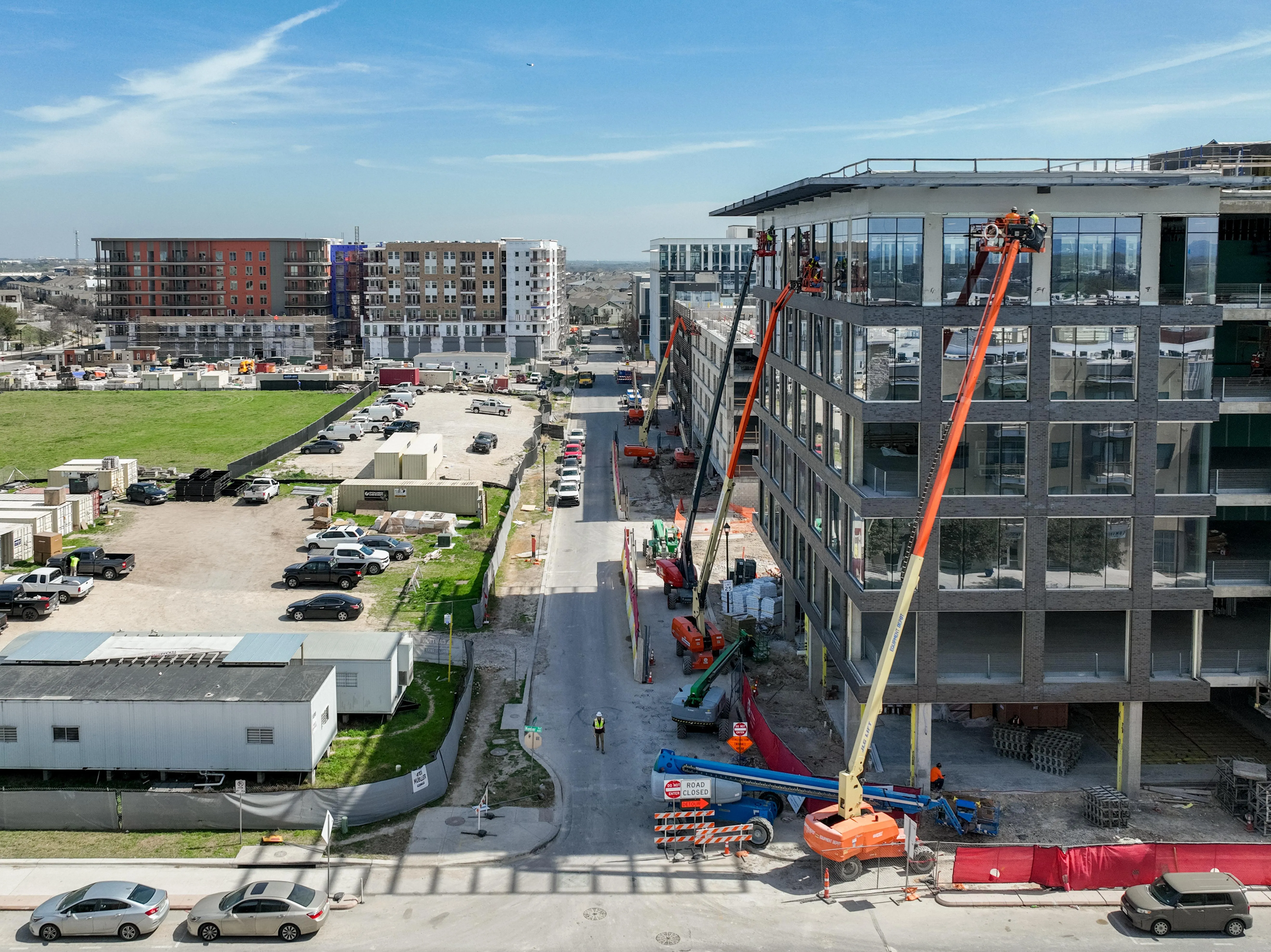
In uber-expensive cities like New York and Boston, rents are so high because demand to live there far outstrips the supply of homes. In a healthy housing market, high prices signal to developers to build more homes, which then brings prices down and, just as importantly, grows the city’s population and economy by providing homes to people who want to move there. We’ve recently seen this happen in Austin, Texas: The city experienced a rapid run-up in rents during Covid, and builders responded (after the city eased some of its building restrictions) with a flood of new apartments. Rents have since fallen well below pre-Covid levels in real dollars. By contrast, policies that cap rents would diminish the incentive to build rental homes at a time when the US needs many more of them.
Meanwhile, if rent caps fail to keep pace with landlords’ rising costs, owners may neglect maintenance or even pull apartments from the rental market if they no longer pencil out. One widely cited economics paper documented this dynamic in San Francisco, where the majority of rental housing is rent-controlled and annual rent increases are capped well below inflation. The city’s 1994 expansion of its rent control law, the researchers found, shrank the supply of rental housing among newly covered properties by 15 percent, largely because landlords converted rentals into owner-occupied units. The expansion made tenants 10 to 20 percent more likely to remain in their homes, but at the cost of making San Francisco’s rental housing scarcer and raising the rents of non-rent-controlled apartments.
Rent control programs are generally not means-tested, meaning that tenants in eligible apartments receive it regardless of their incomes. So a higher-income tenant who happened to secure a regulated apartment can remain indefinitely at a steep discount, while a lower-income newcomer is left to compete for market-rate units, which are exorbitantly priced in part because of rent control.
As a result, rent control laws bear part of the blame for why San Francisco and New York City are so unaffordable, Arpit Gupta, a housing economist at New York University, told me. Trying to suppress rents in cities like these is like trying to hold the lid down on a boiling pot — the pressure inevitably spills over somewhere else. Gupta, who sits on the New York City Rent Guidelines Board, which sets maximum increases for the city’s rent-stabilized apartments, cast the lone “no” vote on the rent-freeze measure this summer.
The freeze creates “a severe risk of financial distress” for many buildings, he told me. It could prompt landlords to leave apartments vacant after a tenant moves out if the cost to rehabilitate it cannot be recouped through the legally permitted rent. The number of vacant rent-stabilized apartments in the city has already been rising, and Gupta has argued that New York state’s 2019 overhaul of its rent-regulation laws, which further constrained landlords’ revenues, may be partly to blame.
Many leftists don’t like arguments like these because they’re uncomfortable with the idea that housing must be kept financially worthwhile for private owners. I sympathize with that instinct — housing is a human need, and it feels wrong for its availability to depend on profitability. But it doesn’t do us much good to ignore the structure of the economy we actually live in, where housing is overwhelmingly provided by the private market.
Housing markets can be very good at providing for people’s needs, if we allow them to work better by legalizing more housing construction and pair it with targeted rental subsidies to people with low incomes.
How rent control got smarter
One of the clearest ways to understand rent control comes from Shane Phillips, a housing researcher at UCLA. It should be viewed not as a long-term affordability strategy, he has argued, but as a targeted stability tactic. For affordability, there’s no substitute for building enough homes. But in already broken, unaffordable markets, like many of America’s superstar cities, rent control can be a stopgap that lets some residents remain in their homes. It’s reasonable to expect that people’s homes shouldn’t be treated as crude commodities that they can be priced out of at any moment. The question is how to balance security for existing residents against the structural harms rent control can cause to the overall market.
Not all rent control policies are created equal. Old forms of it appeared in places from ancient Rome to imperial China to the Jewish ghettoes of Early Modern Europe. When describing modern rent control, however, researchers distinguish among a few different types. “First-generation” rent controls arose largely as emergency measures across Europe during World War I, becoming very widespread in the US during World War II. These typically froze each unit’s rent at a fixed dollar amount, with few avenues for adjustment as costs rose; over time, they tended to push homes out of the rental market and discourage maintenance, reducing both the quantity and quality of rental housing.
By the 1970s-80s, a “second generation” of rent control laws, often called “rent stabilization,” was adopted in New York, Boston, Washington, DC, municipalities across New Jersey, and numerous California cities. These introduced some important innovations: They allow modest annual rent increases, set by a formula or regulatory board and often pegged to the rate of inflation. They exempt new-construction buildings from price controls, which reduces the disincentive for developers to build new apartments.
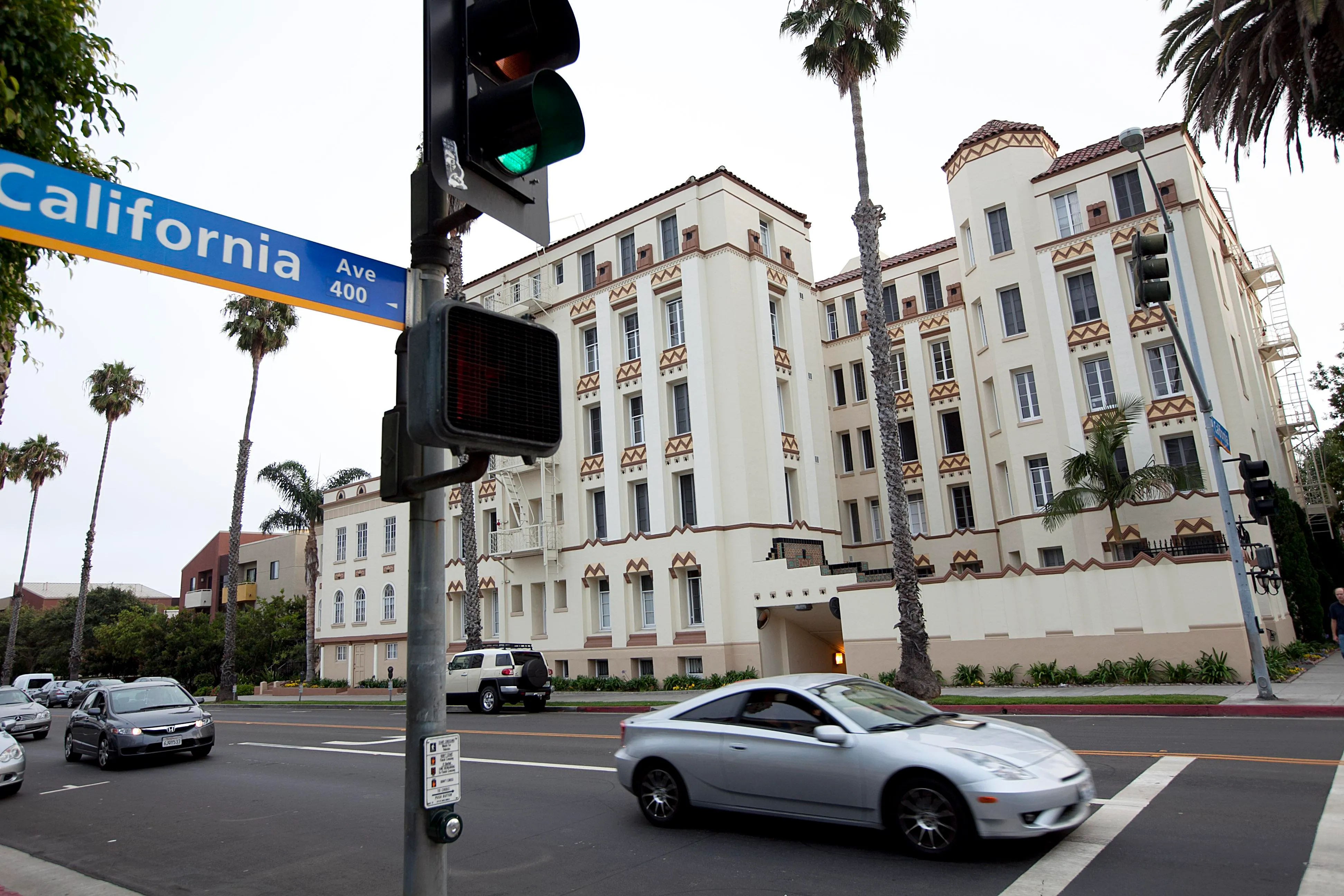
They also often include “vacancy decontrol,” which allows landlords to reset an apartment’s rent to its current market rate after a tenant moves out (after that, the unit remains subject to the annual rent increase caps). Vacancy decontrol is especially important for preserving rental housing supply, experts told me. But it also creates an incentive for owners to try to push tenants out so they can raise the rent. To combat this, most rent-control programs include “just-cause” eviction protections, meaning that landlords cannot arbitrarily evict tenants or refuse to renew their leases; they must cite a serious lease violation (or another legally recognized reason, such as removing the unit from the rental market).
Second-generation systems remain in place in major US cities, including New York, San Francisco, and Los Angeles. They tend not to distort housing markets as severely as first-generation laws, but they can still, as seen in the evidence from San Francisco, meaningfully damage housing supply. And Gupta has warned that New York City’s system has been regressing back toward first-generation rent control, with the recent rent freeze and the removal of vacancy decontrol under New York state’s 2019 Housing Stability and Tenant Protection Act.
Meanwhile, the recent revival of interest in rent control has produced some laws whose design may magnify the policy’s worst impacts. Montgomery County, Maryland, which includes some of Washington, DC’s most expensive suburbs, implemented a rent-control law in 2024 that lacks vacancy decontrol, while St. Paul, Minnesota, voters approved a 2021 ballot measure that initially lacked both vacancy decontrol and an exemption for new construction. Both places subsequently saw sharp declines in apartment construction, though the timing alone does not prove rent control was the sole cause. (St. Paul has since added partial vacancy decontrol and a permanent new-construction exemption.)
In a recent working paper, a pair of UCLA economists identified a “third generation” of rent control that is less restrictive than second-generation laws. California passed a statewide rent stabilization law in 2019, for example, that set a high ceiling on allowable annual rent increases: 5 percent plus inflation, or 10 percent, whichever is lower. It exempts new buildings for their first 15 years, and includes vacancy decontrol and just-cause eviction. Oregon passed a similar law the same year, as did Washington state in 2025. Using data from San Diego, the new paper found no discernible loss in housing supply there under California’s law. The implication is pretty intuitive: “The laxer the policy, the fewer the negative consequences,” as Phillips put it.
The flipside, of course, is that the least restrictive laws also do the least to protect tenants — a 10 percent cap mostly just amounts to an anti-gouging measure, and landlords rarely raise rents by that much anyway. Still, double-digit rent increases do happen. And even a loose cap can offer renters peace of mind and insurance against a life-upending rent hike.
We need a broader renter stability agenda
Some current proposals may soon play out the tradeoffs of rent control. This November, residents of Redwood City, located between San Francisco and San Jose, will vote on a ballot measure that would cap rent increases at 60 percent of inflation, with a maximum increase of 5 percent.
Clara Jaeckel, a renter in the city and an organizer with the campaign, told me that the proposed law would allow landlords to petition for higher increases if it’s necessary to cover operating costs. It’s “designed to strike a fair balance between letting landlords have a fair return on their investment and keeping things affordable for renters,” she said. Under California law, the city would still be required to include vacancy decontrol and exempt housing built after 1995. “We believe building new housing goes hand-in-hand with rent control — so we want both of those things,” Jaeckel said.
Limiting rent increases so far below inflation, which is similar to San Francisco’s rent cap, has the potential to meaningfully reduce the quantity and quality of rental housing. But it’s also possible that its negative impacts remain muted. Gupta and Phillips both told me that vacancy decontrol substantially limits the harms of rent control, regardless of the exact percentage rent increase permitted, and the proposed Redwood City rent cap would apply to a smaller share of its rental housing than San Francisco’s law does.
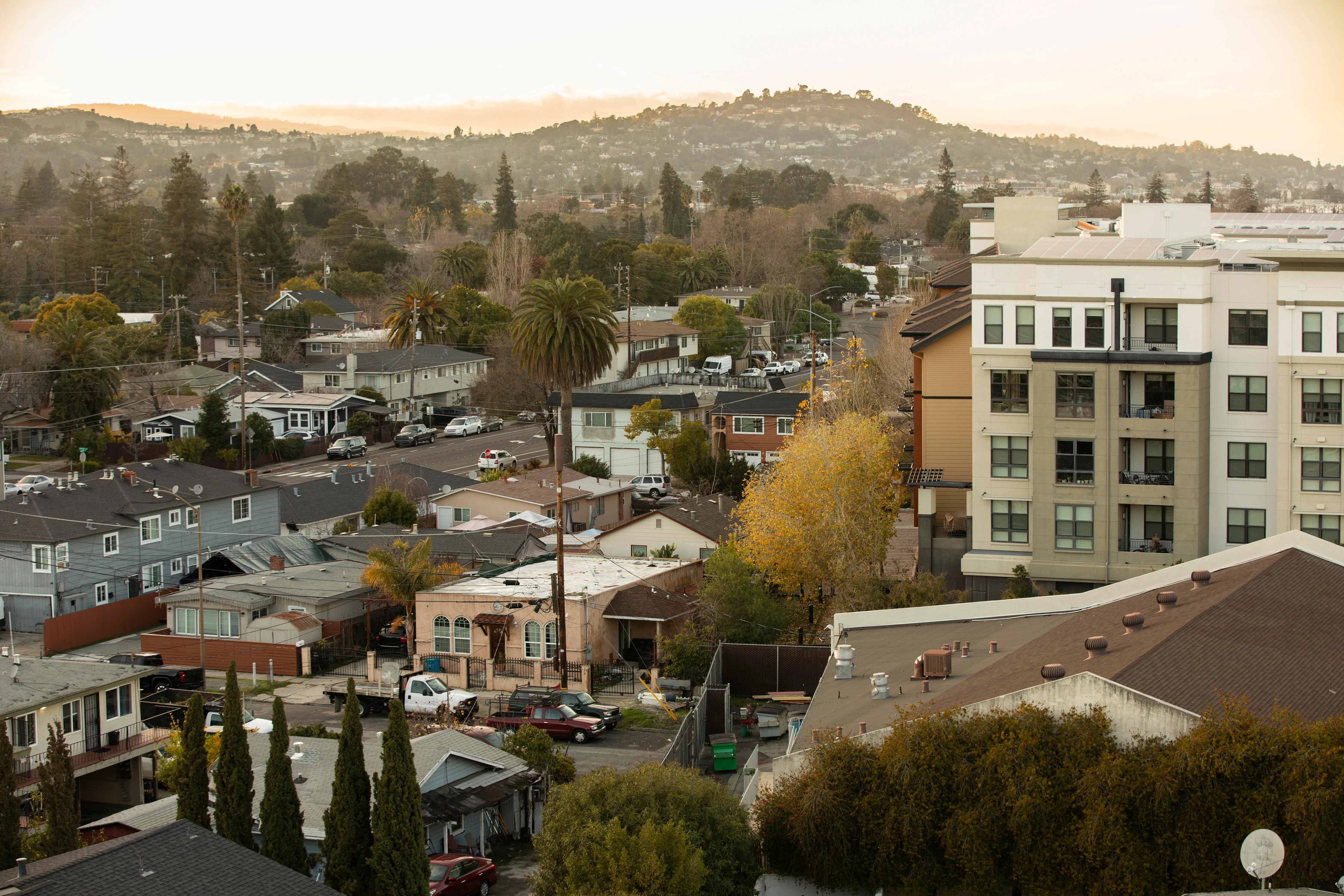
Voters and policymakers might decide that this tradeoff with housing supply is worth it if it can allow longtime residents to stay in their homes. The Bay Area has become so unaffordable that such laws right now represent one of the few ways that communities in the region can maintain some measure of class diversity.
But it’s worth considering how to deliver the same stability and affordability without rent control, which for too long has been the fallback that expensive cities and towns reach for after allowing their housing markets to become dysfunctional. It can ultimately only offer tenants a cramped kind of security, trapping them in homes that may no longer suit their needs because leaving would mean surrendering their only affordable option.
A better stability agenda for renters would give them genuine choices in where to live, and how long to stay. In places with broken housing markets, that means, first and most importantly, repealing exclusionary zoning laws and other barriers to building enough homes. That’s the foundation of affordability for everyone, but especially for renters, whose housing costs rise unpredictably with the market rather than remaining relatively fixed by a long-term mortgage. Renters with low incomes, meanwhile, need help affording housing even in a balanced market, and that ought to be provided far more consistently (Section 8 vouchers and other federal rental-assistance programs currently only reach a fraction of people who qualify).
Other policies can offer the long-term stability that rent control provides, too. “The ultimate issue that a lot of [rent control] interventions are trying to target is the challenge of being a renter and being faced with these cost shocks year after year,” Gupta said. Most American residential leases are one year long, but policy could encourage longer terms, which are common in some peer countries like Germany and Japan, and, Gupta noted, widespread in US commercial leases.
Another step is to give tenants a presumptive right to remain in their homes — in the vast majority of states, landlords can refuse to renew a lease without any cause because the law simply defers to their private property rights. That is a bigger deal than it might sound like: If you’re a renter in one of the 40-odd states that don’t have a right to renewal, and you have, say, loud young children who irritate one of your neighbors, you can be forced out when your lease ends without any recourse. I’ve seen this happen firsthand as a renter in Wisconsin, and it’s one of many ways that cities can be hostile to families. Protection from arbitrary eviction would benefit renters regardless of whether their units are rent-controlled.
These sorts of policies also need to be balanced with reliable processes for removing tenants who seriously damage property, endanger their neighbors, or repeatedly violate their leases. “Sometimes landlords are taken advantage of. Sometimes they are lied to,” Phillips said. It’s rare to find a jurisdiction in the US that’s both “very concerned about tenants and very concerned about landlords,” he said. Instead, US housing policy tends to oscillate between either extreme, but protecting the rights and interests of both need not be mutually exclusive.
America will remain stuck with a housing shortage for the foreseeable future, which not only makes housing unaffordable in our highest-demand cities and suburbs, but also gives landlords a structural advantage over renters because they’re shielded from competition. Until that changes, a limited form of rent control can redistribute some of that power back to renters. That may be a bargain worth making, but, Phillips said, cities should make it knowingly: with a clear idea of which renters they intend to protect, and who will bear the cost.