

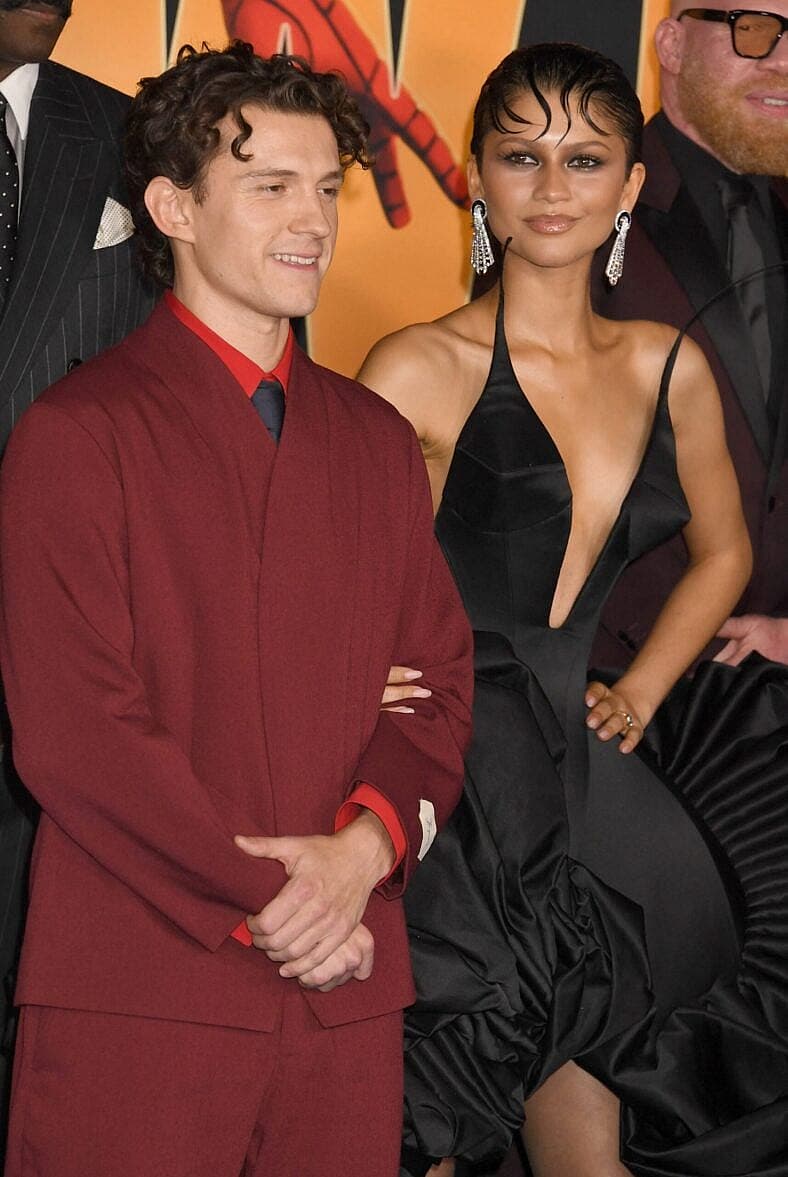
Gen Z has never known an entertainment world without streaming, smartphones, and instant access to nearly unlimited content. Yet the generation once expected to abandon traditional moviegoing could now be helping bring theaters back to life. “Spider-Man: Brand New Day” and “The Odyssey” just powered the North American box office to its biggest weekend in history, delivering the strongest evidence yet that audiences are willing to leave the couch when a movie feels like an event.
However, the record-breaking turnout was not an isolated occurrence. Gen Z has quietly been going to theaters more frequently, embracing premium formats and treating moviegoing as a social experience that streaming at home cannot replace.
The enormous debut of “Spider-Man: Brand New Day” did more than set another box-office record. It offered a revealing look at the audience currently showing up for major theatrical releases. Moviegoers between 18 and 24 accounted for 36% of the film’s opening-weekend audience, according to the Associated Press, making young adults a crucial part of the superhero blockbuster’s success.
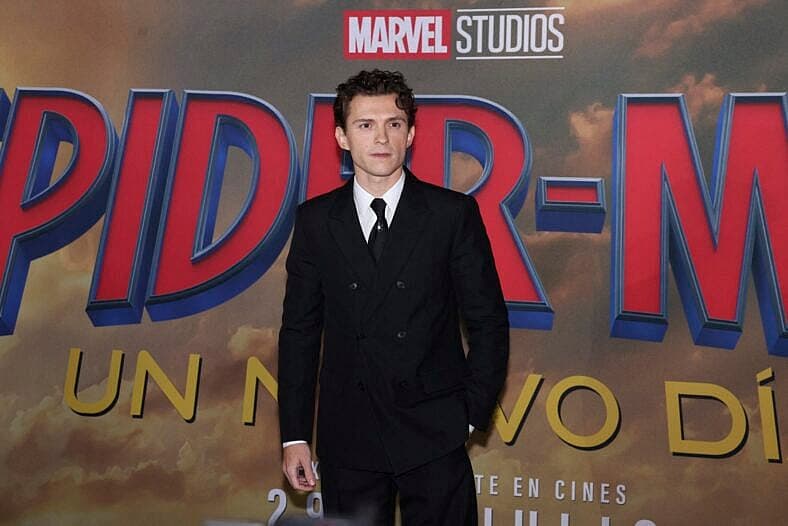
The film, which stars Tom Holland as the Marvel superhero, collected $360 million across the United States and Canada, narrowly moving past “Avengers: Endgame” to secure the largest domestic opening in history. Its arrival also coincided with the continued success of Christopher Nolan’s “The Odyssey,” which remained a major draw three weeks after its release.
The two movies offered audiences very different experiences. “Spider-Man” tapped into franchise loyalty and the urgency to avoid online spoilers, while “The Odyssey” attracted viewers with its large-scale presentation and highly sought-after IMAX screenings.
There was also considerable overlap between their casts, with Holland, Zendaya and Jon Bernthal appearing in both projects. That put three stars at the center of two of the summer’s biggest cultural conversations at the same time.
While two major releases cannot explain the entire movie theater recovery, the age breakdown for “Spider-Man” supports the growing evidence that younger consumers are no longer merely an audience Hollywood hopes to win back. They are already helping drive the comeback.
Loyalty Programs Are Making Frequent Visits More Appealing
 5
5Cost remains one of the biggest obstacles preventing consumers from going to theaters more often. However, subscriptions, loyalty programs, and discounted ticket days may be making moviegoing easier to incorporate into a regular routine.
Cinema United reported that North American theater loyalty programs experienced a 15% increase in new subscriptions from 2024 to 2025. These programs can be particularly valuable to younger audiences who want a regular social activity but may be dealing with higher costs across dining, nightlife, and live entertainment. Once a membership reduces the perceived cost of each individual visit, moviegoing can become a habit instead of an occasional splurge.
Theaters have also invested more than $1.5 billion in North American upgrades, according to Cinema United, with improvements ranging from premium screens and upgraded seating to expanded food and beverage offerings.
Those changes help position theaters as destinations rather than simple screening rooms.
 5
5Although theaters give Gen Z an offline gathering place, social media remains central to how younger audiences discover what is playing. Fandango found that social media was the leading source of theatrical discovery for both Gen Z and millennials. YouTube ranked as Gen Z’s top platform, followed by TikTok and Instagram.
Video reviews, trailers, movie clips, cast interviews, and TikTok debriefs were among the content most likely to build excitement around a release. That relationship can create a powerful cycle. A movie generates online conversation, viewers head to theaters so they can participate without encountering spoilers, and their reactions create another wave of content that encourages more people to buy tickets.
“Spider-Man: Brand New Day” was particularly suited to that environment. The mystery surrounding its story and its connection to the larger Marvel universe gave fans an incentive to see it immediately. “The Odyssey” generated a different form of FOMO, with limited 70mm IMAX screenings becoming difficult to secure and some showings extended because of demand.
Rather than persuading Gen Z to stay home, social media may be turning certain movies into events they feel they need to experience in person.
Movie Theaters Are Becoming A Gen Z Hangout
 5
5Fandango also offered more insight into why younger consumers are returning. The company surveyed more than 5,000 moviegoers in January 2026 and found that 87% of Gen Z respondents had seen at least one movie in theaters during the previous year. That was higher than millennials at 82%, Gen X at 70%, and baby boomers at 58%.
Gen Z respondents reported seeing an average of seven movies in theaters in 2025, while millennials averaged 7.2. Across all generations, the average was 5.3. More importantly, the generations viewed the experience differently. Gen Z primarily identified moviegoing as a social gathering, while millennials were more likely to describe it as an escape from their everyday routines.
The social aspect extended beyond the film itself. 92% of all respondents said they preferred going to the movies with other people. Younger moviegoers were also particularly interested in pairing a theater visit with dining, drinks, or another activity.
For a generation frequently associated with online communication and social media, the theater may be offering something increasingly difficult to find: an affordable place to spend several hours with friends away from home.
IMAX And Premium Formats Give Audiences Something Streaming Cannot
 5
5Gen Z’s interest is not limited to the movies themselves. Younger consumers also appear increasingly attracted to premium formats that create a more immersive experience.
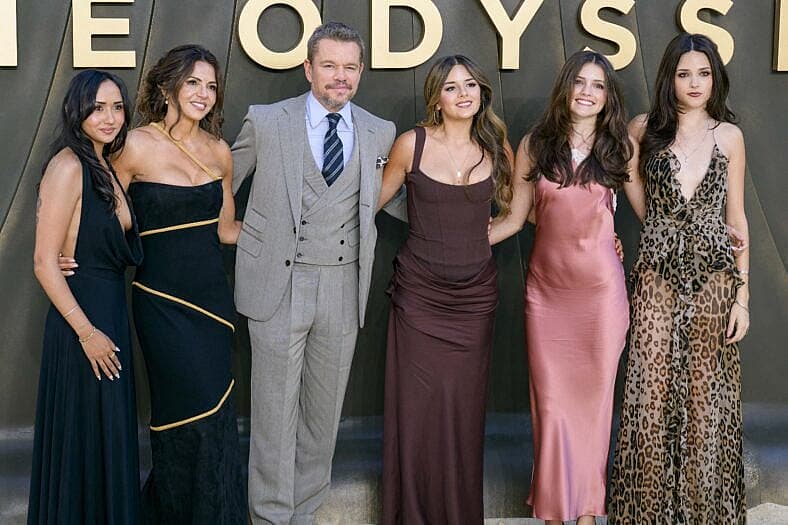
Fandango found that attendance at IMAX, Dolby and 3D screenings has continued to increase, rising from 46% of moviegoers in 2023 to 48% in 2025. IMAX remained the preferred premium format overall, while Gen Z demonstrated a stronger preference for 3D than other generations. “The Odyssey” provided one of the clearest examples of how that demand can translate into ticket sales.
The success reflects an important change in how theaters compete with streaming. They are no longer simply offering earlier access to a movie. They are selling a version of the film that audiences believe cannot be recreated on a television, laptop, or phone.
So while Gen Z is not necessarily abandoning the couch, the generation is simply learning that some movies, and some experiences, are worth leaving it for.