
'Teens killed, we are not terrorists': What is happening in Pakistan-occupied Kashmir as protests rage?

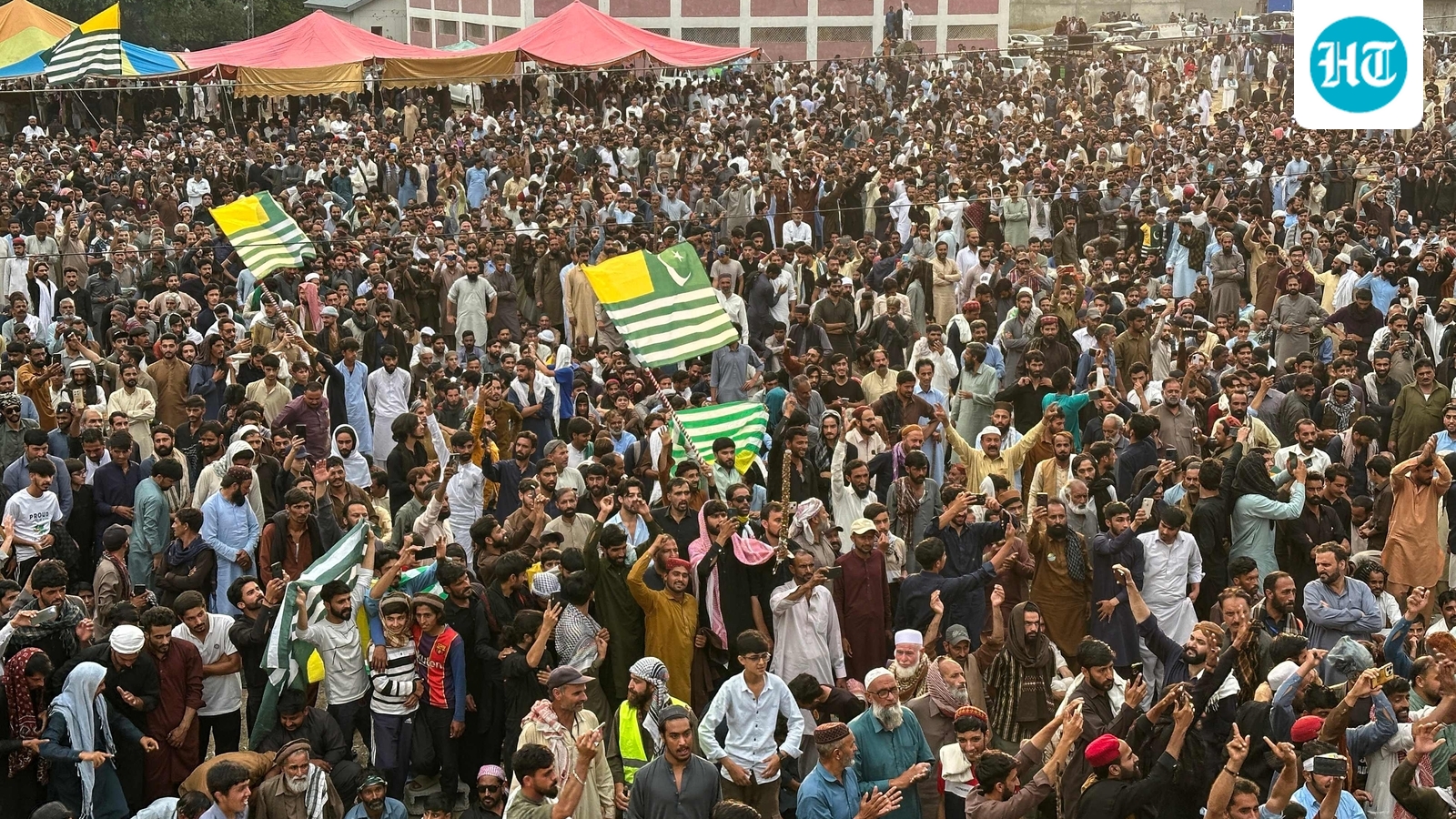
“Most of those who have been killed or seriously injured are young people, between about 15-16 years old and 32-35 years old. I have seen very few patients over the age of 40.”
In the last one week, Dr Anwar – name changed to protect his identity – has treated 15 to 20 patients with gunshot wounds. His makeshift clinic at Rawalakot in Pakistan-occupied Kashmir (PoK) has treated around 50 to 60 critically injured patients. With just one bed under a red sheet of tarpaulin and limited medical resources, he fears that he may not be able to save too many lives.
“We have enough supplies to provide first aid. We can stop bleeding, clean and dress wounds, and remove superficial bullets. But patients with serious injuries to the chest, abdomen, head, or other vital organs need advanced hospitals,” he tells BBC. “Even major hospitals would struggle if many such patients arrived at the same time,” he adds.
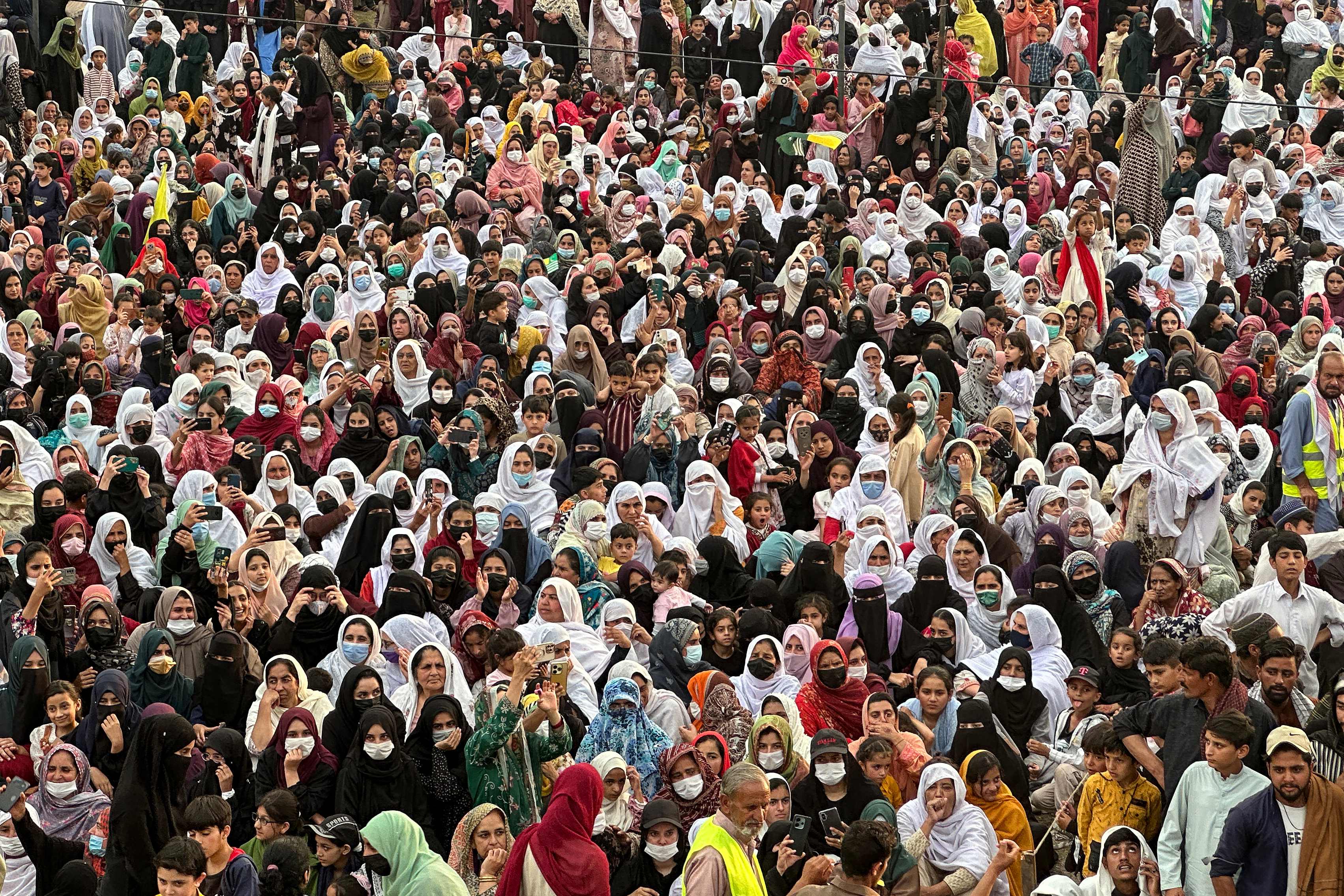
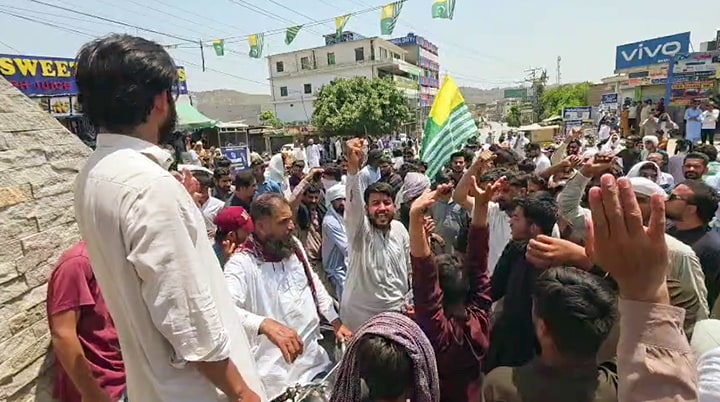
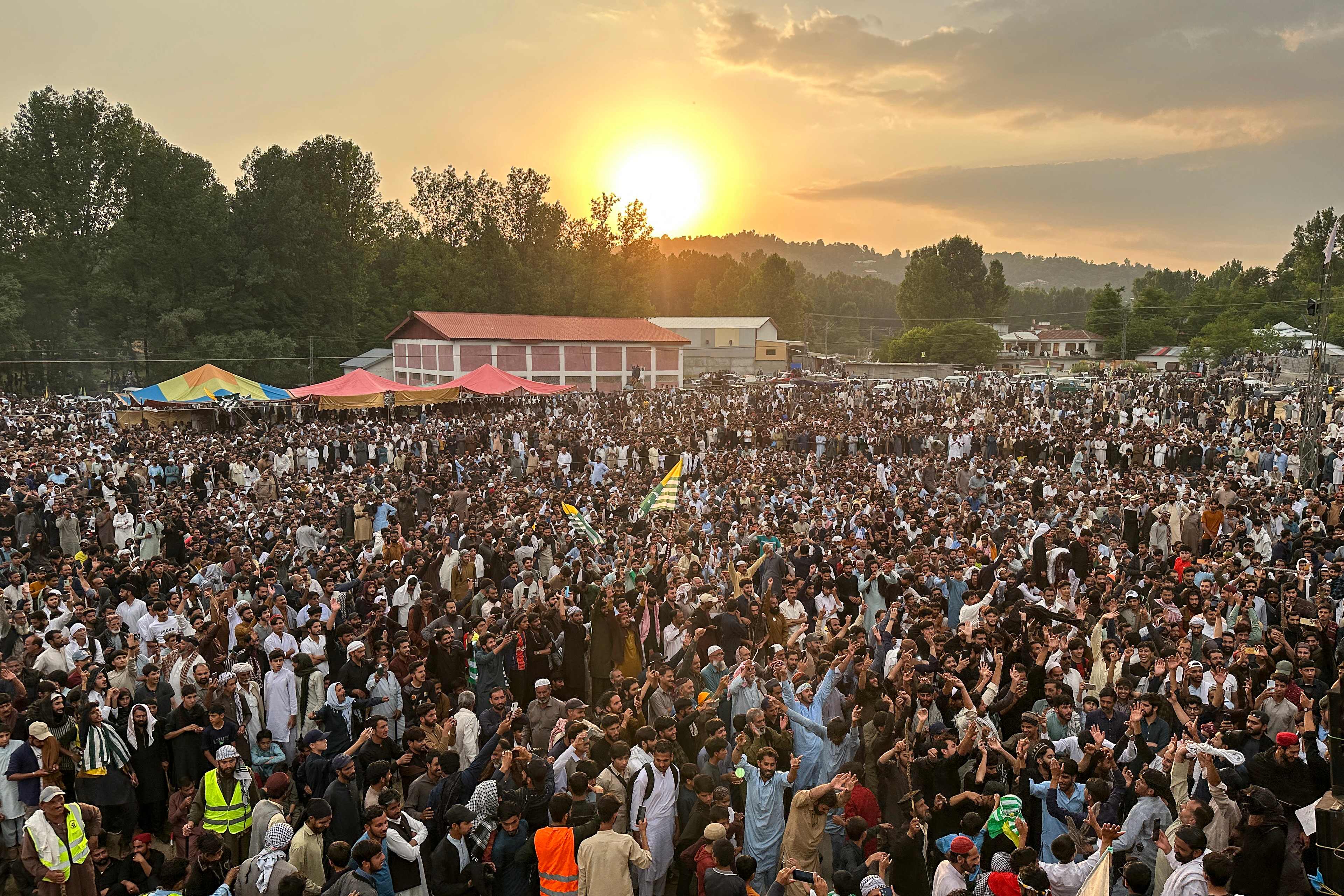
Tension has gripped Rawalakot ever since deadly clashes between protesters and security personnel during the first phase of elections for the so-called legislative assembly in PoK on July 27 killed at least 14 activists of the banned Joint Awami Action Committee (JAAC). Reuters on Sunday reported that JAAC said around 30 people have so far been killed in the region.
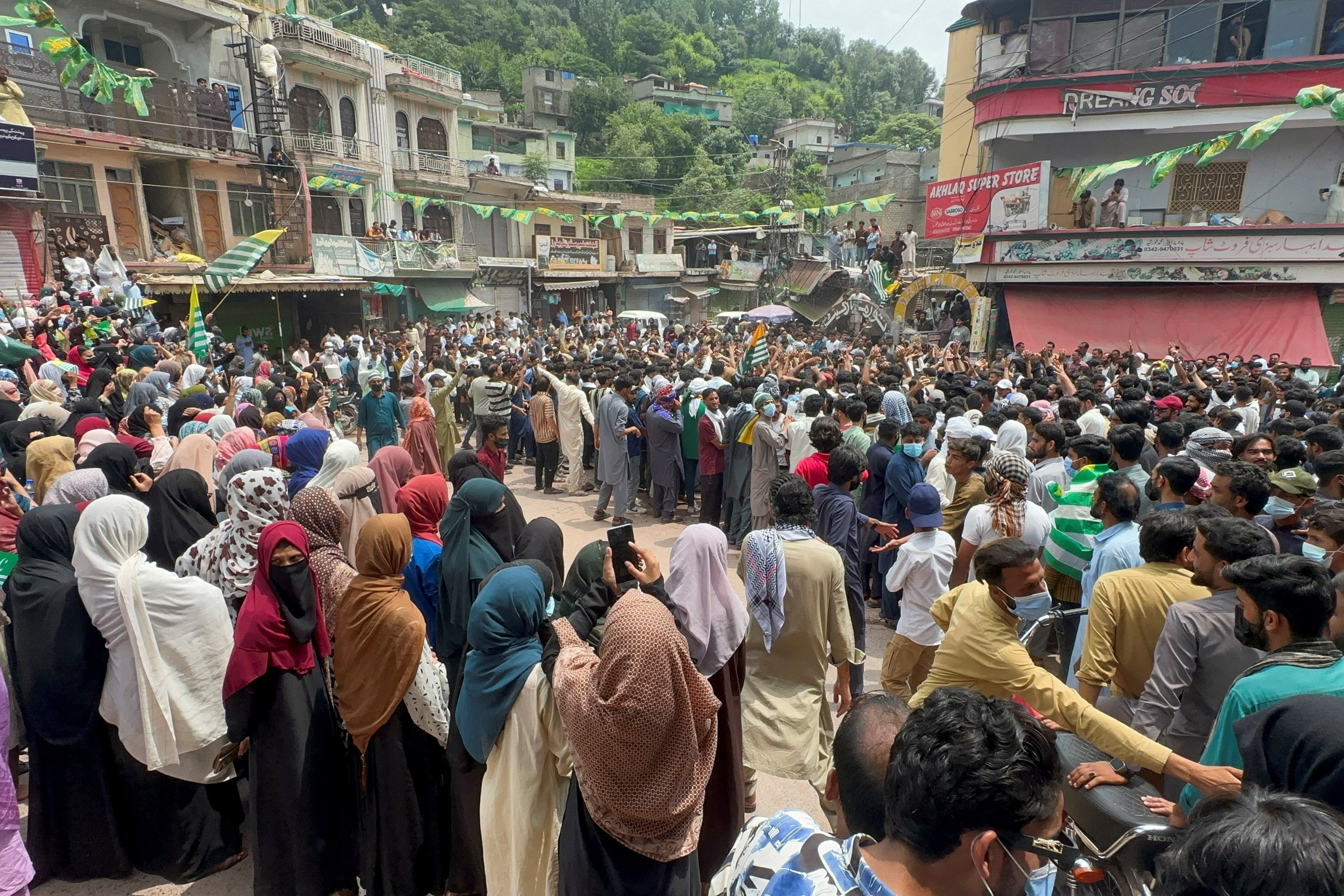
The JAAC has been holding a series of protests in PoK since last month over 12 contentious seats of the so-called regional legislative assembly. According to the committee, the establishment manoeuvres these seats to install a prime minister of its choosing.
The BBC reported that injured protesters do not wish to visit the main hospital over fears of being arrested or shot. The authorities have, however, refuted the claim.
As Shafqat Hussain – name changed – lays down with a bullet wound on his chest on the sole bed at Dr Anwar’s clinic, his friend Ali asks, “We only asked for affordable flour, electricity and our basic rights. Instead, our brothers are being killed. What was our crime? Why are live bullets being fired at us?”
“We are not terrorists”
Asma – name changed – was present at the protest on July 28 when she heard about her only son being shot and killed. “We were only asking for our rights. We are not terrorists. No mother could ask for a better son,” she tells the BBC.
“He knew there were risks, but he believed standing up for justice was important. He used to say that dying for a just cause was an honour,” she adds, as she cries inconsolably.
Also Read | Al Jazeera banned in Pak, country’s I&B ministry cites ‘selective reporting’ in PoK: Report
Salman – name changed – who lost his brother, is seeking similar answers. “He was the youngest in the family and was loved by everyone. It is a great loss for us. At the same time I feel proud that he gave his life while standing up for the rights of the people. He was not fighting or attacking anyone,” he says.
Ayub – named changed – who earlier worked in the armed forces also lost his son. He says he has “never seen anything like what is happening now. “I am a retired soldier. I lived through the martial law periods of General Zia-ul-Haq and General Pervez Musharraf. But I have never seen anything like what is happening now. In my opinion, it is an extreme injustice,” he says.
“My son had done nothing wrong. None of the protesters had done anything wrong. The government for PoK has said that it rejects allegations that the security forces fired indiscriminately upon peaceful protesters, saying that law enforcement acted against individuals who were involved in attacks on law enforcement personnel, threatened public safety or obstructed lawful authority,” he adds.
What happened on July 27?
According to a Rawalakot district administration officer, around 3,000 protesters had marched towards the city from Drek, while another group of around 2,000 approached from the bus terminal side. The authorities prevented the protesters from entering the city.
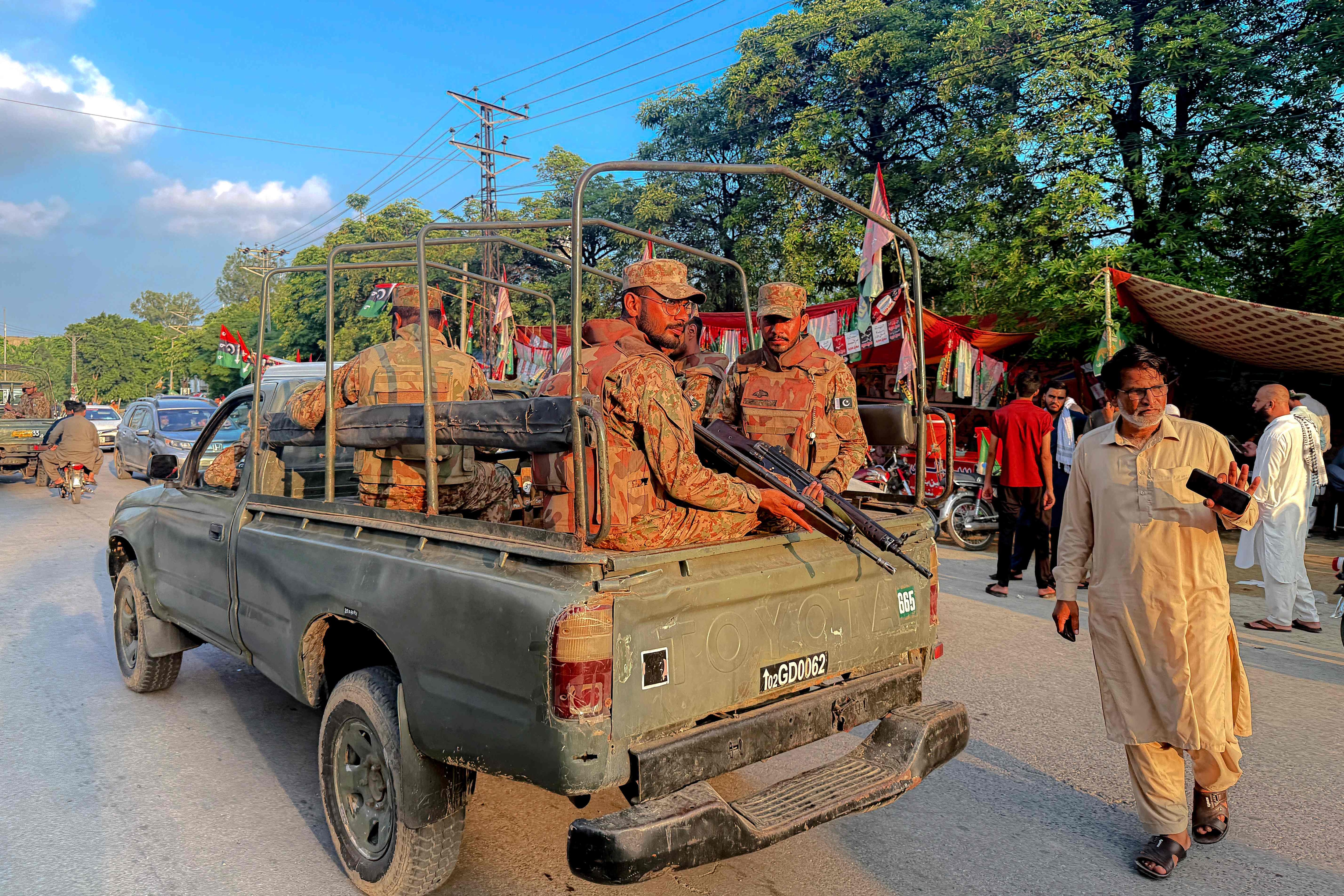
In Poonch, police claimed that armed groups associated with the banned JAAC attempted to enter Rawalakot and opened fire on law-enforcement personnel after being asked to disperse, injuring two policemen. The police also accused JAAC-linked social media accounts of circulating fabricated videos and distorting facts to mislead the public.
Opinion | PoJK protests show Pakistan’s Kashmir policy is unravelling
JAAC executive council member Shaheen, however, accused law-enforcement personnel of opening “unprovoked fire” on a peaceful march. Another committee member, Imtiaz Aslam, said 14 people were killed and the deceased included Usman Nazir, younger brother of JAAC founding member Umar Nazir.
The BBC report claimed police authorities at news conferences have displayed guns they say were taken from the JAAC. The authorities claimed that a man during the course of investigation said he was promised a reward of 10 million rupees (around £26,700) for every paramilitary officer killed.
The region is home to 4.5 million people, according to the BBC. The JAAC was banned by the regional government in June, sparking deadly protests last month. Banking, roads and internet services have largely been disrupted since then.
Also Read | ‘They’re enemies like India’: Pakistan minister after at least 34 killed in PoK protests
The election was originally scheduled to be held in one round on July 27, but was later split into three separate votes by districts, with officials citing security concerns. The second round was held on Sunday and the third is scheduled for August 10.
Protests triggered by local grievances
The JAAC initially launched a movement to protest against inflation, high electricity tariffs and the reservation of seats in the legislative assembly for refugees from the Jammu and Kashmir, which it claimed were used to manipulate the outcome of elections. The protests flared up again during the first phase of elections to the local assembly on July 27.
What has India said on PoK tension?
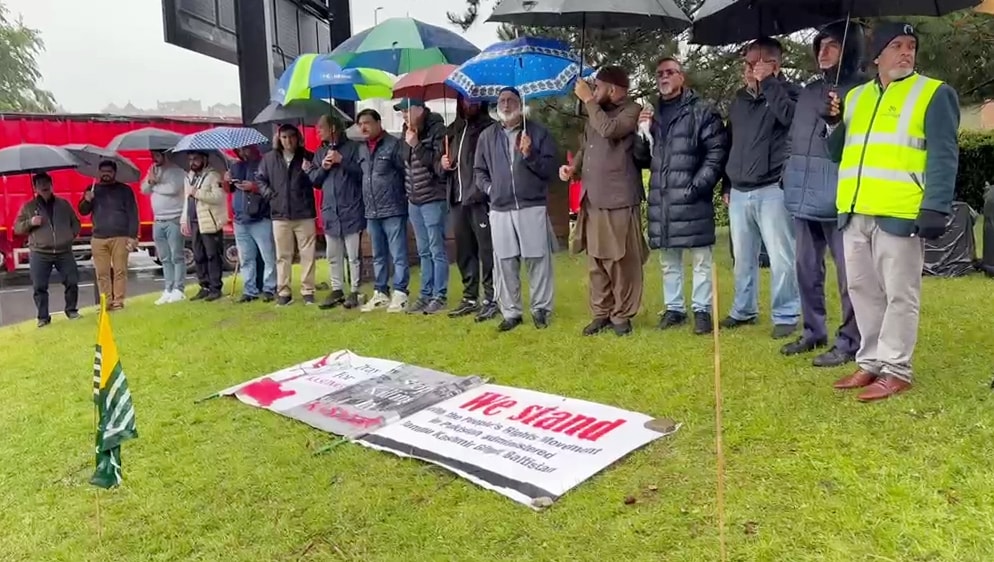
India on Friday denounced the Pakistan government’s use of “ruthless force” against civilian protesters in PoJK and again urged the international community to hold Islamabad accountable for atrocities perpetrated in the region. New Delhi has criticised Islamabad’s actions in PoJK several times over the past few weeks as the region has witnessed widespread violence that has left more than 40 people dead since June.
“As you and all of us have witnessed, the Pakistani establishment continues to unleash ruthless force against peaceful civilians in Pakistan-occupied Jammu and Kashmir. This crackdown has resulted in the tragic death of over 40 innocent people and many more have been seriously injured,” external affairs ministry spokesperson Randhir Jaiswal told a regular media briefing in response to questions on the situation in the region.
Jaiswal contended that the Pakistani establishment’s “absolute disdain for the innocent people of PoJK was laid bare” when Defence Minister Khawaja Asif branded the protesting civilians as “enemies”.