


The Presidency has announced that President Bola Tinubu will receive the Executive National Policing Bill for review on September 3, 2026, marking a significant milestone in the ongoing effort to establish a framework for state policing in Nigeria.
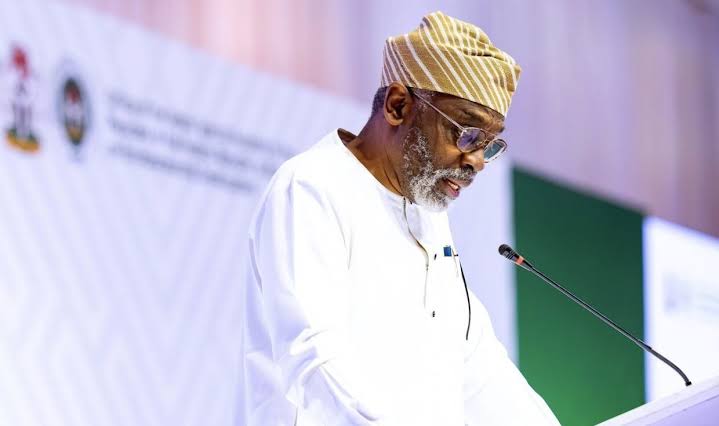
The disclosure was made on Monday by the Chief of Staff to the President and Chairman of the Presidential Working Group on the National Policing Bill, Femi Gbajabiamila, after a meeting of the committee at the Presidential Villa in Abuja.
Gbajabiamila also unveiled a public information portal through which Nigerians can submit memoranda, recommendations and position papers to contribute to the proposed legislation before it is transmitted to the National Assembly.
Public consultation begins
According to the Presidency, the website, nationalpolicingbill.com, has gone live to enable citizens from across the country to participate in shaping the proposed law.
Gbajabiamila explained that the consultation process forms part of a seven-week work programme running from July 27 to September 14, 2026.
He said the Executive Bill package would be presented to President Tinubu on September 3 after nationwide consultations, adding that the draft would be revised following the President’s input before being forwarded to the National Assembly.
He noted that the final legislative package would include schedules, explanatory memoranda, legal audits, fiscal implementation notes, clause-by-clause analysis, state readiness frameworks and other supporting documents.
State police reform
Describing the initiative as one of Nigeria’s most significant security reforms, Gbajabiamila said the objective is to establish a lawful, professional and sustainable policing system that strengthens security at both the federal and state levels.
He stressed that the proposed framework seeks to move policing closer to communities while preserving national security standards and protecting the rights of citizens.
He also clarified that although both chambers of the National Assembly have passed the constitutional amendment for state police, the proposal has not yet become law because it still requires approval by the required number of State Houses of Assembly.
Safeguards against abuse
Gbajabiamila warned that state police should never become instruments of political intimidation or oppression.
According to him, no political office holder should have the authority to direct the unlawful arrest of opponents or manipulate law enforcement for political purposes.
He added that any federal intervention in state policing must remain exceptional, evidence-based, proportionate, time-bound and subject to review.
He further explained that national standards are intended to provide minimum safeguards rather than limit the operational capacity of states.
Funding and implementation
On the cost of implementing the new policing structure, Gbajabiamila said it was too early to provide a financial estimate.
He explained that the eventual cost would depend on detailed research and state-by-state assessments, noting that each state has unique personnel, infrastructure and operational requirements.
He maintained that protecting lives and property remains a priority, adding that no reasonable investment would be considered excessive if it strengthens public safety across the country.