

By Omoyeni Ojeifo
Nigeria and the United Arab Emirates (UAE) are advancing efforts to resolve long-standing visa restrictions, paving the way for smoother travel, expanded trade, and boosted tourism between both nations.
The move followed a meeting between the Minister of State for Foreign Affairs, Amb. Sola Enikanolaiye, and the UAE Ambassador to Nigeria, Salem Saeed Alshamsi, at the Ministry of Foreign Affairs in Abuja on Wednesday.
PerSecondNews recalls that on October 2022, the UAE issued a total entry ban on Nigerian passport holders following diplomatic friction, widespread visa overstays, and public order concerns involving foreign nationals.
Emirates Airlines suspended flights to Nigeria after encountering severe difficulties repatriating trapped ticket revenues (amounting to hundreds of millions of dollars) due to foreign exchange shortages in Nigeria.
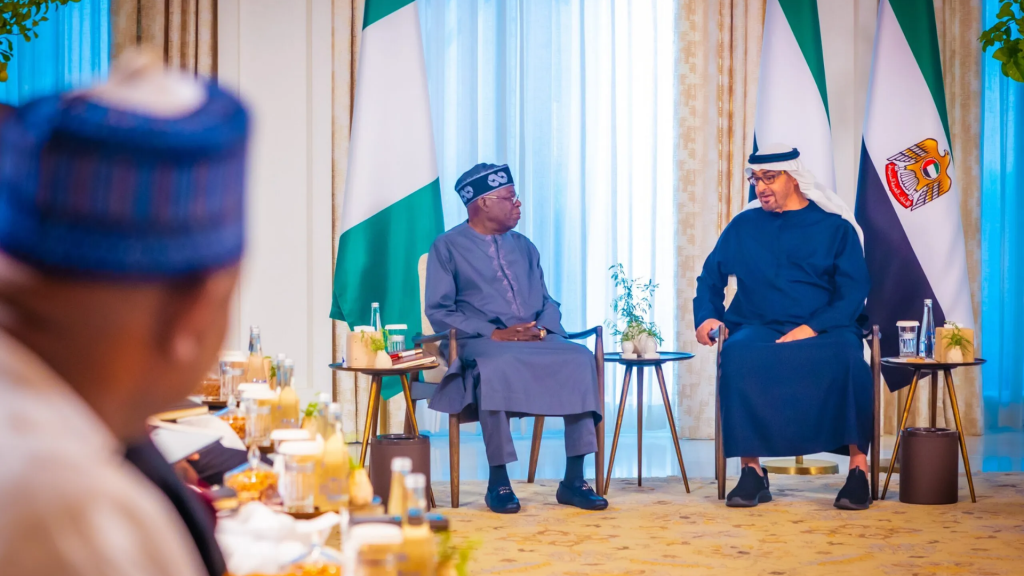
High-level talks between President Bola Tinubu’s administration and Emirati officials commenced shortly after his inauguration in 2023 to normalize bilateral relations, address security protocols, and restore direct flights.
Following agreements to lift the full ban, the UAE introduced stringent verification processes for Nigerian travellers—including document verification fees and proof of bank balances—creating residual delays that both governments have since worked to streamline.
The Abuja meeting reviewed bilateral trade and investment, economic cooperation, aviation connectivity, emerging technologies and people-to-people relations, as both countries sought to strengthen their longstanding relationship, Kimiebi Ebienfa Imomotimi, spokesperson for the Ministry of Foreign Affairs said in a statement emailed to PersecondNews on Thursday.
The two sides welcomed progress in resolving previous visa-related challenges, which the ministry said would facilitate increased movement between Nigeria and the UAE for business, investment, tourism and other purposes.
Attention also shifted to the growing economic relationship between both countries, with bilateral trade increasing from approximately US$3 billion dollars to US$4.3 billion dollars in 2024 and about US$5 billion dollars in 2025.
The UAE Ambassador highlighted the significant growth in bilateral trade and expressed optimism that stronger political relations woukd further strengthen the long standing ties between both countries.
The UAE also urged Nigeria to complete its processes for the Nigeria-UAE Comprehensive Economic Partnership Agreement, CEPA, after confirming that the agreement had already been ratified by the UAE.
Alshamsi expressed hope that its completion on the Nigerian side would “further expand bilateral trade and investment” between Nigeria and the UAE.
The meeting also focused on strengthening aviation connectivity, with discussions around the proposed commencement of Emirates Airline operations in Abuja and ongoing consultations with relevant Nigerian authorities.
Enikanolaiye expressed appreciation for the UAE’s continued commitment to Nigeria and welcomed the growth in non-oil trade and investment between both countries.
The Minister said stronger economic relations were consistent with Nigeria’s economic diplomacy priorities, particularly the diversification of export markets and the promotion of manufacturing, services, technology and fintech.
He reaffirmed Nigeria’s commitment to concluding the necessary processes for CEPA implementation and called for the early convening of the Nigeria-UAE Joint Commission to address outstanding issues and identify new areas of cooperation.
Both countries also recognised growing opportunities for cooperation in artificial intelligence, digital technology and other emerging technologies, with Nigeria expressing interest in knowledge transfer, skills development and capacity building.
The Nigerian side particularly emphasised opportunities for young Nigerians, while welcoming increased UAE investment in priority sectors including infrastructure, technology, energy and financial services.
The meeting further underscored the importance of people-to-people relations, with both sides expressing confidence that closer cooperation would facilitate greater interaction between citizens of both countries.
The two sides reaffirmed their commitment to strengthening political engagement, economic cooperation and institutional collaboration, with the expectation that the renewed partnership would deliver greater benefits for both countries.