

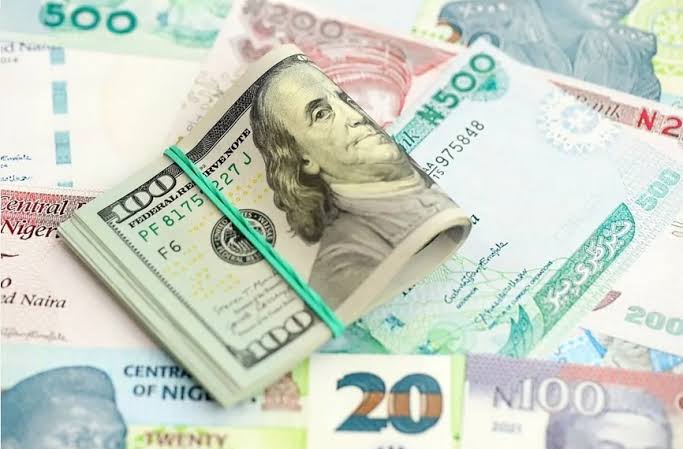
The Nigerian naira begins the new week with the dollar exchanging at approximately ₦1,337 at the official foreign exchange market, following a positive performance last week.
At the parallel market, however, the dollar remained significantly higher, selling for around ₦1,400 and creating a gap of about ₦63 between both markets.
Naira records weekly gain
Data from the Central Bank of Nigeria (CBN) showed that the Nigerian Foreign Exchange Market (NFEM) closed Friday’s trading session at ₦1,337.0000 per dollar.
The volume-weighted average exchange rate for August 28 was ₦1,337.2873/$1.
The latest performance represents an improvement for the naira compared with the beginning of last week.
The local currency traded at ₦1,349.99/$1 on August 24 before gaining strength to close the week around the ₦1,337-per-dollar mark.
This means the naira appreciated by roughly 0.96 per cent during the trading week.
Parallel market rate remains at ₦1,400
Despite the gains recorded at the official market, the dollar continued to trade around ₦1,400 in the parallel market on Friday.
According to market data published by AbokiFX, the rate declined slightly from ₦1,407/$1 recorded a day earlier.
The ₦7 reduction brought the parallel market rate to approximately ₦1,400 per dollar.
Meanwhile, an early indicative exchange rate on Monday placed the dollar at around ₦1,346.78.
The figure is not the official NFEM closing rate and could change as trading activities continue.
Foreign exchange liquidity supports naira
Foreign exchange liquidity remained strong during the previous week, with NFEM turnover reaching $1.06 billion in a single trading session.
Nigeria’s foreign reserves have also continued to provide support for the stability of the local currency.
As trading resumes on Monday, August 31, the latest official benchmark places the dollar at about ₦1,337, while the parallel market rate remains around ₦1,400.
Exchange rates may fluctuate during the day as demand and supply conditions change across the foreign exchange market.
Rates offered by commercial banks, Bureau de Change operators and other currency dealers may also differ from published market reference rates due to transaction charges and dealer margins.