

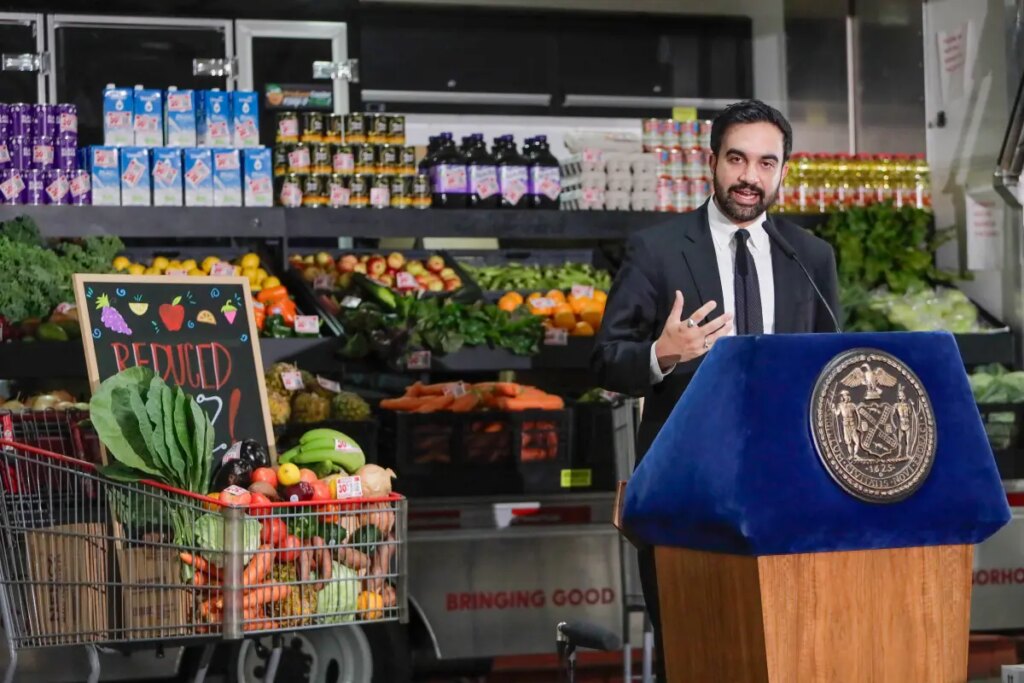
Mayor Mamdani’s city-owned supermarkets are ill-considered for many reasons.
They’ll undercut minority-owned neighborhood bodegas. They’ll create an incentive for buyers to resell the cheap goods at higher prices elsewhere.
These issues may not concern Mamdani, but something else should: Hizzoner will be competing against himself.
That’s because another city program already provides financial incentives to private supermarkets to open in the same neighborhoods where Mamdani wants to open his socialist competitors.
Since 2009, the city Economic Development Corp. and Department of City Planning have run the Food Retail Expansion to Support Health Program.
Its goals largely overlap with the mayor’s: “to develop and expand full-service grocery stores in underserved neighborhoods.”
But rather than compete against existing markets, FRESH set out simply to create more of them, and to encourage affordability through private-sector competition “by lowering the costs of owning, leasing, developing, and renovating supermarket retail space.”
The combination of lower taxes and zoning relief to make it possible to build large markets has actually been successful: 30 new 5,000-6000 square foot markets have opened across all five boroughs.
One, Food Bazaar on 125th Street in Manhattan, is just a 5-minute walk from Mamdani’s proposed “La Marqueta” site; two others, the Lincoln Market on St. Nicholas Avenue and Ideal Food Basket on Lexington Avenue, are within walking distance or a short bus ride away.
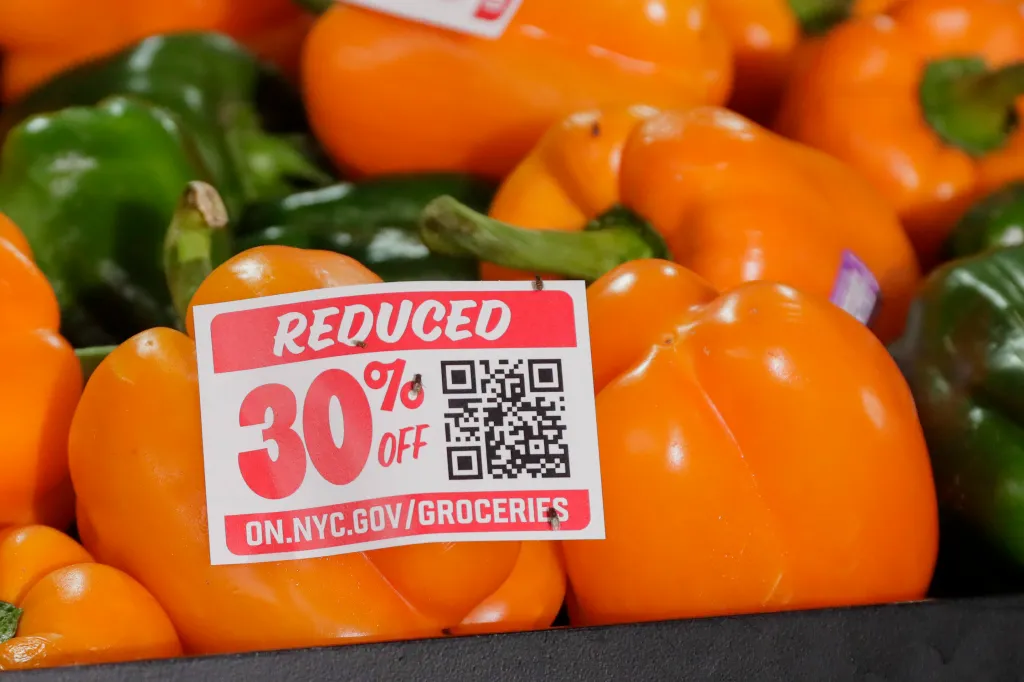
An EDC map shows a fourth FRESH market of 7,000 square feet planned for Park Avenue in Harlem.
Anyone shopping at Fine Fair on the Grand Concourse in The Bronx, Food Bazaar on Northern Boulevard in Queens or Key Foods on Sand Lane Avenue on Staten Island is no longer “underserved,” thanks to FRESH.
So, too, are shoppers at Ideal Food Basket on Pitkin Avenue in Brownsville.
That’s especially welcome because it can serve the concentration of nearby public-housing projects, where stores have historically not been permitted to operate (another bad Robert Moses decision) and elderly residents fear to walk with their grocery carts.
Begun under the Bloomberg administration and promoted by Eric Adams, FRESH was designed to provide incentives for private enterprise — not to undermine it.
Rather than force private operators to compete against city-run markets that pay no rent or property tax, FRESH offers a tax break to private owners — including an exemption from the from the onerous 8.875% local sales tax on “materials used to construct, renovate, or equip the facility.”
Some of the incentives are impressively subtle — including a reduction in parking requirements and deferral of mortgage recording taxes for project financing.
The program reflects the understanding that it’s a market’s availability that’s what’s important.
The city doesn’t need to subsidize prices — not when 1.8 million New Yorkers already get help with grocery affordability, thanks to federal food stamps.
At least until Mamdani’s election, city agencies were crowing about FRESH’s success — claiming to have generated “$177 million in private capital investments toward local urban real estate and retail economies” and to have helped create “more than 1,400 new jobs and successfully secured the retention of over 600 existing retail jobs.”
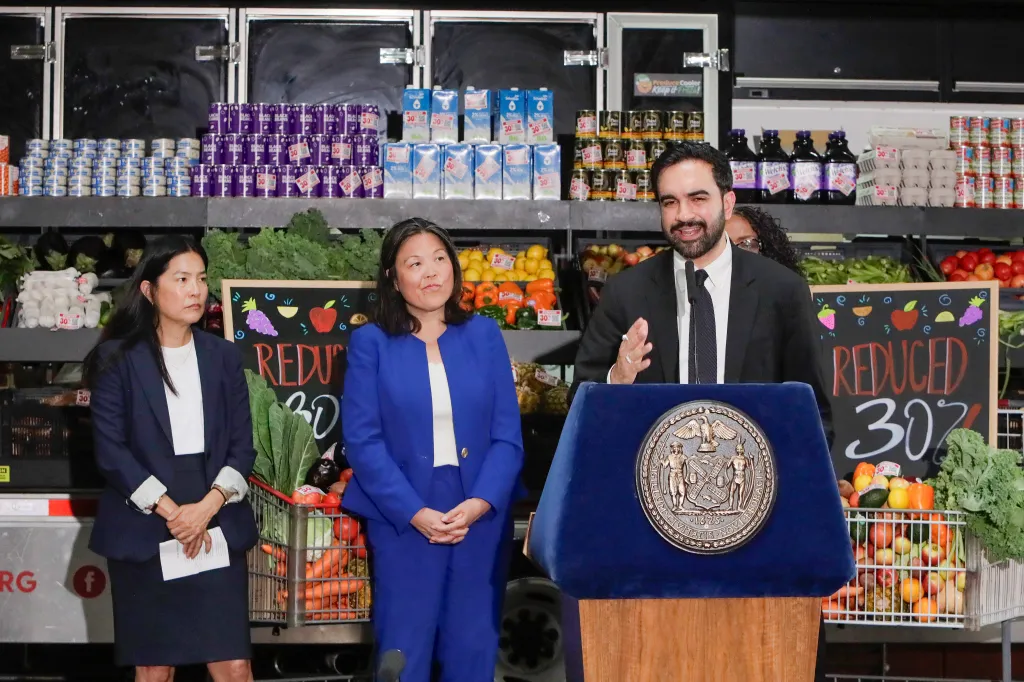
Nor were these markets pushing unhealthy products; city incentives required 500 square feet of fresh produce.
When Adams was in office, city pols gushed over the program.
In 2023, Bronx Borough President Vanessa Gibson cheered, “With too many of our residents and families in the Bronx living far away from fresh produce, and unhealthy food items often seen as the only option, we are grateful for the FRESH program.”
City Comptroller Mark Levine praised the markets in Harlem, saying he looked “forward to continuing to work” with city officials to “eliminate food deserts and create a healthier borough and city.”
But FRESH markets in Harlem will now have to compete with Mamdani’s “Marqueta.”
And city agencies have now turned their attention to finding sites for more Mamdani Marts, rather than pushing for more FRESH markets, as planned under Adams.
Rather than compete with existing stores, the city should find ways to bring markets to the worst food deserts — i.e., the NYCHA “campuses,” many of which are distant from fresh food.
That includes some of America’s largest public-housing developments: Cypress Hills (pop. 3,400) in Brooklyn; South Jamaica (pop. 2,380) in Queens; and Manhattanville (pop. 3,055) in Manhattan — all a long walk or expensive Uber from fresh groceries.
Maybe the city could provide 24-hour security for markets willing to open in a public-housing project.
Of course, that would require Mamdani to admit limited access to fresh food is not the fault of capitalist greed but threats from crime.
Meanwhile, City Hall would do well to build on the success of its practical, existing market program — rather than indulge in its misguided socialist scheme.
Howard Husock is a fellow at the American Enterprise Institute and author of “The Projects: A New History of Public Housing.”