
Exclusive: World Humanitarian Day: NEMA Shifts Strategy to Empower Local Communities as First Responders

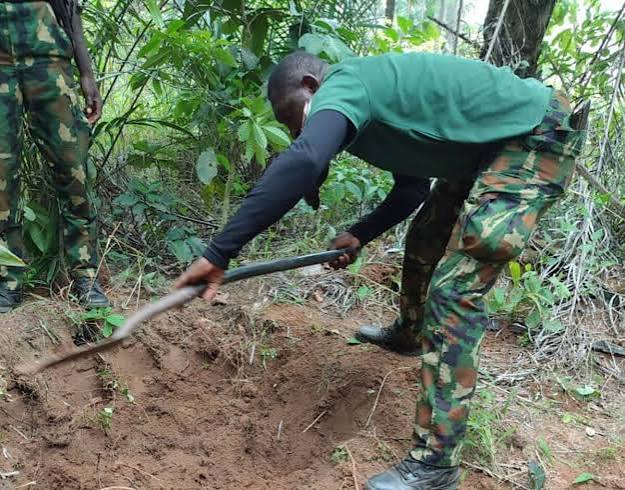
By Omoyeni Ojeifo
In commemoration of the 2026 World Humanitarian Day, the National Emergency Management Agency (NEMA) says it has shifted its strategy from traditional disaster relief to empowering local communities to act as immediate first responders.
Aligned with this year’s global theme, “Strengthening Global Solidarity and Empowering Local Communities,” NEMA’s updated approach focuses on building local capacity to prepare for, manage, and recover from disasters.
Speaking with PerSecondNews in Abuja on Wednesday, NEMA’s Southeast Director, Mr. Walson Ibarakumo Brandon, stressed that because emergencies happen at the grassroots level long before official help arrives, equipping local residents with the necessary skills and training is critical to saving lives.
“Empowering local communities means equipping members of local communities with the knowledge and expertise to carry out roles as first responders. Every emergency first occurs in a community before response agencies are called upon,” he told a PSN correspondent.
Brandon noted that NEMA builds community resilience through consistent training in first aid and cardiopulmonary resuscitation, alongside continuous training on emergency preparedness and response.
“To render communities resilient to disasters, we carry out consistent training of community members on first aid and CPR, continuous training on emergency preparedness and response, and joint simulation programmes with community members, CBOs and community associations.”
He disclosed that the agency also carries out community sensitisation on vulnerability assessment and capacity-gap identification, while holding stakeholder meetings at the community level to improve preparedness.
“We carry out community sensitisation on vulnerability assessment and capacity-gap identification, as well as stakeholder meetings at the community level, so that communities can understand their vulnerabilities and identify the capacity gaps that may affect their response,” he explained.
Brandon said NEMA’s approach does not end when disaster strikes, as community members are also involved in assessing disasters and participating in recovery activities.
“We include and involve community members in disaster assessments and also involve community members in recovery activities, because their participation is important in understanding the impact of disasters and supporting recovery within affected communities.”
He also identified communities that have benefited from NEMA’s interventions, specifically in the South, including Buguma in Asari-Toru Local Government Area of Rivers State; Igbedi in Kolokuma/Opokuma Local Government Area of Bayelsa State; and Agbogugu in Awgu Local Government Area of Enugu State.
Other examples, he said, include Obubra, Calabar and Ikom in Cross River State; Eket in Akwa Ibom State; Warri in Warri South Local Government Area of Delta State; Gelegele in Edo State; Abakaliki in Ebonyi State; and Aba in Imo State.
Brandon emphasized that these interventions are not limited to the communities specifically listed, stressing that NEMA’s risk-management and crisis-management activities have reached communities across the country.
“Communities in all the 774 LGAs of the country have benefited from the various risk-management and crisis-management activities of NEMA.”
The Director maintained in his chat with PersecondNews, that community-focused approach reflects the wider humanitarian principle of strengthening local capacity, particularly because residents are usually closest to an emergency when it occurs.
The United Nations General Assembly designated August 19 as World Humanitarian Day in 2008 to recognise humanitarian personnel and raise awareness of humanitarian assistance worldwide.
This year’s observance, under the theme “Strengthening Global Solidarity and Empowering Local Communities,” places renewed attention on the role of local communities in preparing for, responding to and recovering from humanitarian emergencies.