
Checks and Balance newsletter: The real future of the Democratic Party

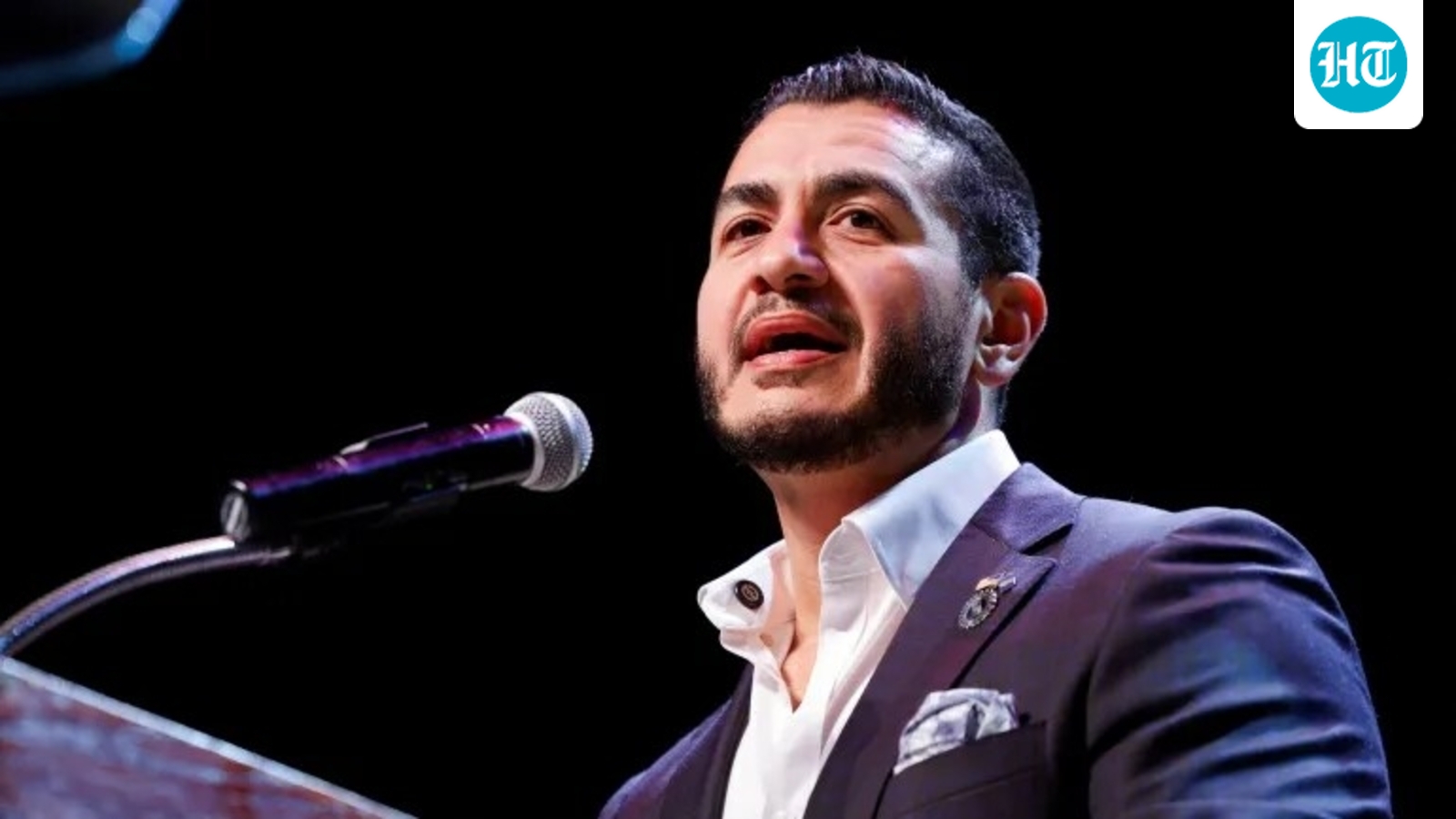
Sometimes primary cycles throw up a single result that encapsulates how a party is changing: think of Dave Brat beating Eric Cantor in 2014, or Alexandria Ocasio-Cortez beating Joe Crowley in 2018.Abdul El-Sayed’s victoryover Haley Stevens in Michigan looks like one of those moments. That is not the same as saying Dr El-Sayed is a good candidate, or even less that he is the future of the Democratic Party. Heunderperformed the polls, just beating Ms Stevens, and on betting markets the odds of Democrats retainingthe Michigan Senate seatdipped about ten points when the result came in.
If Democrats really wanted to defeat Donald Trump and expand health care, they would be getting less excited about Dr El-Sayed, who might lose a Senate seat they already hold, and a lot more excited about a candidate who looks likely to win a seat Republicans hold. Michigan swings with the presidency (Trump, Biden, Trump). North Carolina does not: Mr Trump won it three times in a row. The state last elected a Democratic senator in 2008. A Democrat who could win there should be a candidate the party and the media are getting excited about. And of course they have one, Roy Cooper. Not that you would necessarily know it from the relative attention directed at the two candidates.
Recent polls put Mr Cooper between 4 and 14 points up against his Republican opponent. Betting markets have him at 90% to win, versus 60% for Dr El-Sayed. Why is Mr Cooper doing so well in amuch tougher statefor Democrats? It is not because he is charismatic, a smooth talker, or has cracked vertical video. Dr El-Sayed has him beaten on all those. It is not because Mr Cooper’s supporters are more energised. It is because the things Mr Cooper says he wants to do are more popular than the things Dr El-Sayed says he wants to do.
To his credit, Dr El-Sayed has a detailed policy programme. There is some constitutional reform in there: he wants to get money out of politics, abolish the filibuster and term-limit Supreme Court justices. There is some Bidenomics: he wants to move the country towards an energy mix that is 100% renewable, built in America by unionised workers. And there are a lot of positions loved by the party’s left. These include Medicare for all and abolishing ICE. On foreign policy he offers a post-colonial twist on America First: abolish military aid to Egypt, Israel, Saudi Arabia and the UAE and spend the money at home instead.
Candidates do not only have to answer for carefully worded proposals on their websites, though. Voters’ impressions about them are also shaped by what they have said in the past. Dr El-Sayed once called for defunding the police, though he has since clarified that he meant reallocating resources towards preventing crime.
Some of these ideas are unpopular with the public, which is not the same as the Democratic primary electorate. What is more, Dr El-Sayed’s campaign seems to know this, which is why his proposals are so carefully worded.
Take Medicare for all, which does not poll badly. But as soon as the idea is associated with people losing their private insurance, or with increased premiums, it tanks. So Dr El-Sayed says he does not want to abolish private insurance, but that a great Medicare-for-all programme would obviate the need for it.
Or take the line on abolishing ICE. The agency has become unpopular in Mr Trump’s second term. But voters want secure borders and think immigration law should be enforced. Read the fine print: Dr El-Sayed still favours having a government agency to do this work. The actual policy is rebrand ICE, not abolish it. On each of these subjects the position seems to be designed to get the applause line in a primary without the candidate having to defend something that voters hate in the general election. Voters do not like candidates who say two different things at once. The makers of Republican attack ads very much do.
Now look at Mr Cooper in North Carolina. The policy section of his campaign website is dull by comparison. It is all organised around one idea: make stuff cost less. This is popular in a country where the cost of living is consistently voters’ top concern.
His position on data centres is not that companies should not build them, it is that they should pay the full cost of the electricity they use rather than raising prices for consumers. He wants to cut regulations that make it too hard for people to set themselves up as child-care providers and to increase the child tax credit (a policy that made a big dent in poverty when it was tried). His health-care policy includes an end to surprise billing. That is popular too.
Then there is Mr Cooper’s record as governor of North Carolina from 2017 to 2025, where he built a reputation as a pro-business pragmatist. Because he ran a state with Republican majorities in the state legislature, he spent more time vetoing budgets than signing bills. His pitch to voters was that he was a sensible person standing up to extremists, not a revolutionary bent on systemic change. But he did manage to expand Medicaid to cover 600,000 low-income North Carolinians, which ought to count for something even with the Democratic Socialists of America crowd.
Dr El-Sayed may win in November. If that happens there will be another explosion of posts about how the ascendant left has the establishment on the run. But if the party is really serious about becoming an organisation that can win nationwide, then it is Mr Cooper and candidates like him who are the future of the party. That should be obvious to anyone who can look at a map or read a poll.
Speaking of polls, please vote in ours below. As ever, you can also share your thoughts on the newsletter with us [email protected].