

The Centers for Disease Control and Prevention is expanding the largest known cyclosporiasis outbreak to 15 states, adding six states where illnesses have been traced to shredded iceberg lettuce sourced from central Mexico, according to three individuals familiar with the investigation.
Missouri, which is reporting 1,095 cases, is one of the states being added, according to a state health department spokesperson. The number of state cases jumped dramatically in the past week. Patients who were interviewed at length by state and local investigators said they consumed Taco Bell before getting sick, spokesperson Lisa Cox said.
The other states are Arkansas, Iowa, Nebraska, New Hampshire and North Carolina, according to a fourth person familiar with the investigation.
The individuals spoke on the condition of anonymity to discuss an ongoing investigation. The CDC did not immediately respond to a request for comment. The investigation is continuing to evolve, and the number of states could change.
The expansion marks a significant widening of the outbreak. On Monday, Michigan health officials announced that two people have died in the outbreak there, the first deaths confirmed in the United States related to the microscopic parasite. Both people had underlying health conditions that may have been affected by the intestinal illness and dehydration.
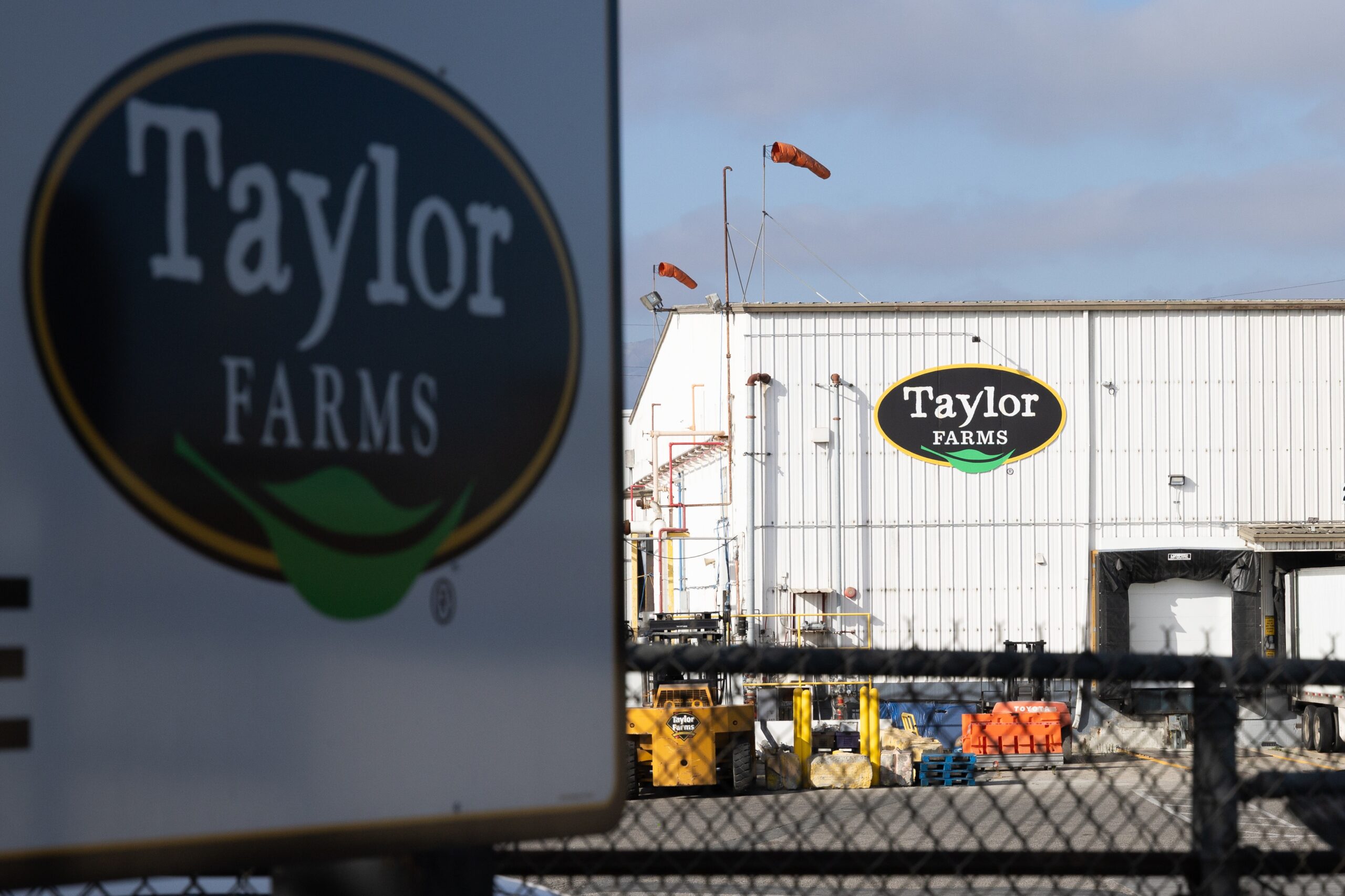
On July 24, federal officials had linked illnesses in nine states to the outbreak. The CDC has said epidemiological and trace-back data continues to show that iceberg lettuce from Taylor Farms de Mexico was contaminated with the parasite that has made people sick.
The newly linked states join Illinois, Indiana, Kansas, Kentucky, Michigan, Ohio, Oklahoma, Pennsylvania and West Virginia.
Taylor Farms recalled shredded iceberg lettuce sourced from central Mexico on July 17 after investigators linked the product to illnesses among people who had eaten at Taco Bell. The company said the lettuce was distributed from June 29 through July 16 through food-service channels and retail stores in 27 states.
Federal investigators so far have publicly linked illnesses to only a portion of the states where the company said the recalled lettuce was distributed. Federal officials are also investigating outbreaks and illness in more than two-dozen states that have not been linked to the 15-state outbreak. The sources of other outbreaks have not been identified or tied to Taylor Farms.
Taylor Farms has declined to provide additional details, including how many pounds of product were covered by the recall and where shredded lettuce was distributed before June 29. A Taylor Farms spokesperson did not immediately respond to a request for comment.
During foodborne-illness outbreaks, the CDC is charged with trying to identify the food sickening Americans, relying on labor-intensive disease detective work that includes detailed interviews with people about what they ate, where they ate it and when. The Food and Drug Administration works to determine who produced the contaminated food and works with food companies to stop it from being sold. The FDA also tries to identify how the food may have become contaminated.
The new cases being reported don’t necessarily mean the risk is still ongoing, experts have said. The true number of sick people in the multistate outbreak is probably higher than the number reported, and the outbreak may not be limited to the states with known illnesses, the CDC has said.
The incubation period is long, and some people recover without medical care and are not tested for cyclospora. Recent illnesses may not yet be reported because it can take as long as six weeks to determine if a sick person is part of an outbreak.
“We’re always trying to figure out what is the risk today of going and eating a salad, for example,” said Craig Hedberg, a professor at the University of Minnesota’s division of environmental health sciences.