

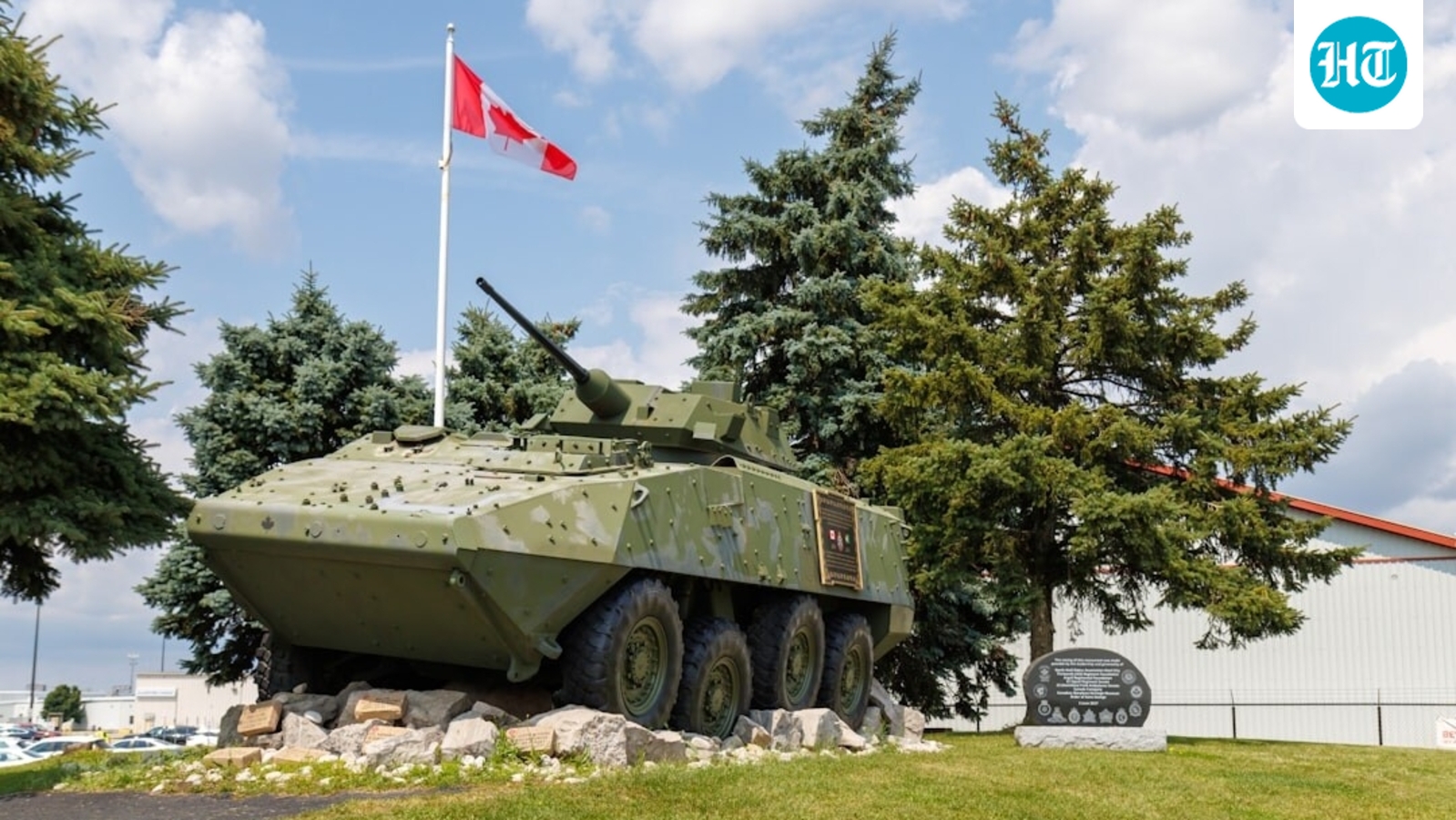
AFTER DECADES as one of NATO’s worst laggards on military spending, Canada is changing fast. On July 8th, at the alliance’s summit in Ankara, Mark Carney, the prime minister, repeated his pledge that Canada’s defence budget would rise from a measly 1.5% of GDP in 2024 to 4% within the next two years. Recent polling suggests that more than 80% of Canadians support much higher spending on defence.
Two days before his pledge, Mr Carney had announced that Thyssenkrup Marine Systems (TKMS), a German defence firm, had won a contest to be preferred bidder to supply the Royal Canadian Navy with up to 12 advanced diesel-electric submarines. The first four are to be delivered by 2034. That is by far the biggest defence deal in Canadian history, with a purchase cost of C$24bn ($17bn) rising to more than C$100bn once ongoing costs like maintainance are factored in. These plans are evidence of the Carney government’s determination to snuggle closer to Europe at a time when the United States, historically and geographically Canada’s closest ally, has become an unreliable and at times downright hostile neighbour.