

Ahead of 2027 elections, Nigerians confront rising insecurity, protest movements, and celebrity activism, raising a question whether political change alone can deliver real national progress and stability for citizens today.
As Nigeria moves closer to the 2027 general elections, the political atmosphere is gradually heating up. Conversations about leadership, governance, and national direction are becoming louder across social media, campuses, and public spaces.
At the centre of these discussions is one big idea: the belief that changing government automatically brings progress. But recent events across the country are raising a deeper question can elections alone fix Nigeria’s problems?
Nigeria has witnessed similar political moments in the past. In 2015, many citizens voted with strong hope for change, believing it would solve insecurity, corruption, and economic struggles. That election became one of the most emotional transitions in Nigeria’s democratic history.
But years later, many Nigerians still feel that some of the same challenges remain, and in some cases, have even worsened. This has created a cycle of hope and disappointment every election season.
Now, as 2027 approaches, the same expectations are rising again. One of the strongest issues shaping public debate is insecurity. In different parts of the country, including recent kidnapping incidents in states such as Oyo, fear has become part of daily life for many families. Parents worry about their children. Students fear traveling. Communities live with uncertainty.
These incidents are not just statistics they are human stories. Each case represents trust broken and lives disrupted. Because of this, citizens are increasingly demanding stronger and more effective security responses from authorities.
Alongside insecurity concerns, Nigerians are also expressing frustration through protests and online activism.
Activists like VeryDarkMan have become part of this growing digital voice, often leading conversations around justice, governance, and accountability. His protests and online campaigns reflect a wider youth movement that is no longer silent about national issues.
However, a major debate remains: do protests create real change, or do they only express anger without solving the root problems?. For many citizens, protests are now seen as a way of forcing attention, even if solutions take longer to arrive.
Beyond politics, culture has also entered national conversations. During a recent World Cup-related event, music star Davido attracted attention after appearing in a performance outfit that reportedly carried symbolic references linked to victims of insecurity incidents in Nigeria. The gesture was widely interpreted as a form of emotional protest and solidarity.
This kind of cultural expression is not new globally. In history, entertainers like Michael Jackson used music and public influence to draw attention to social injustice in the United States. His work, especially songs addressing inequality, showed how global figures can push sensitive issues into international awareness.
Similarly, Davido’s action reflects how entertainment can become a tool for raising awareness about national problems beyond government control.
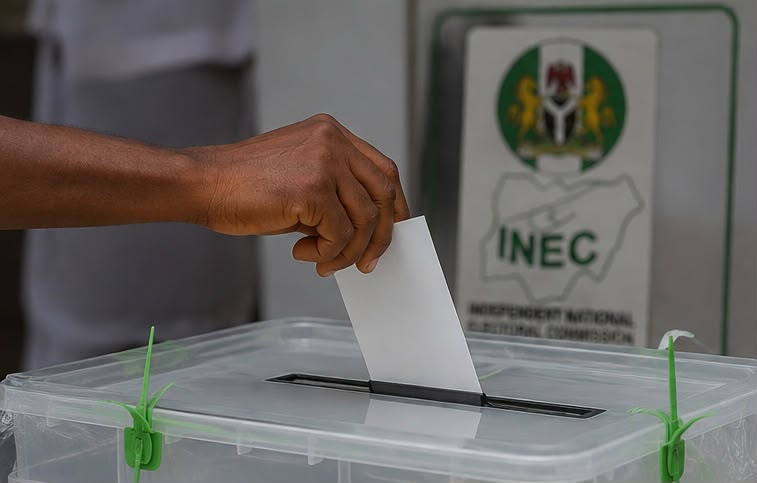
As 2027 approaches, many Nigerians continue to believe that their strongest political power lies in their voter card. For citizens, voting represents hope, a peaceful way to demand change and choose leadership. This belief is central to democracy and remains one of the most important civic responsibilities.
However, some analysts argue that voting alone is not enough. They say that even if leadership changes, problems like insecurity, unemployment, and weak institutions may continue unless citizens remain active after elections.
The idea of a “mandate of progress” goes beyond removing one government or replacing it with another. It raises a bigger question: what happens after elections?
True progress, many argue, requires more than political campaigns. It requires strong institutions, accountable leadership, responsible citizens, and continuous pressure for improvement. Without this, elections may only bring new leaders, not necessarily new results.
As Nigeria approaches another critical election cycle, expectations are rising once again. Citizens want safety, stability, and better governance.
But the central question remains unresolved: will 2027 deliver real progress, or will it repeat the familiar cycle of hope, change, and disappointment?
Ultimately, the mandate of progress may depend not only on who wins elections, but on how seriously Nigerians commit to building the nation beyond election day.
written by Abigail ijai ijapari, a student of Mass Communication from the University of Maiduguri.