

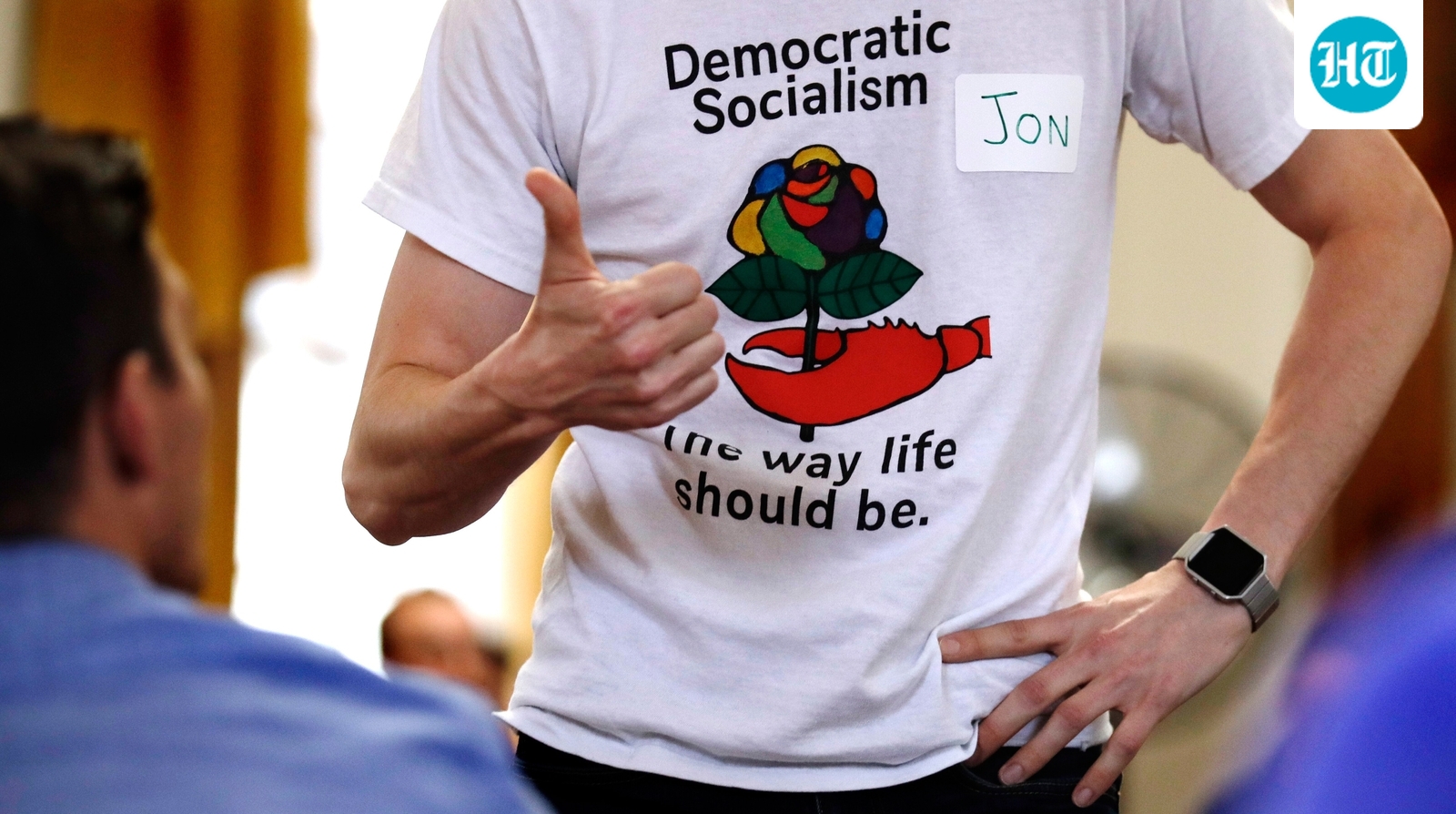
Four years ago the Democratic Socialists of America (DSA) were in a funk. Jacobin, a left-wing magazine, depicted on its cover three DSA-friendly lawmakers in a waiting room and declared the group in purgatory. Joe Biden’s victory over Donald Trump in 2020 had made Democrats complacent—they had gone “back to brunch”, in the pejorative of the left. Then came the war in Gaza; progressives found their animating cause in Palestine. Mr Trump’s defeat of Kamala Harris strengthened their case for change: what were establishment Democrats good for if they couldn’t stop his second coming?
These days the far left is ascendant. New York has a DSA mayor and soon Washington, DC, will get one too. DSA-backed insurgents have trounced incumbents in several congressional primaries. On August 4th Abdul El-Sayed beat Haley Stevens, a centrist backed by pro-Israel groups, in Michigan’s Democratic primary for Senate. Dr El-Sayed is not a DSA member—he calls himself a capitalist—but he draws support from the socialist crowd. In Wisconsin, Francesca Hong, an out-and-proud socialist, looks likely to win the Democratic primary for governor on August 11th. The momentum is fuelling speculation that a DSA-aligned candidate could nab the party’s presidential nomination in 2028. It is a remarkable development for a group with quirky governance, few members and many unpopular positions.