

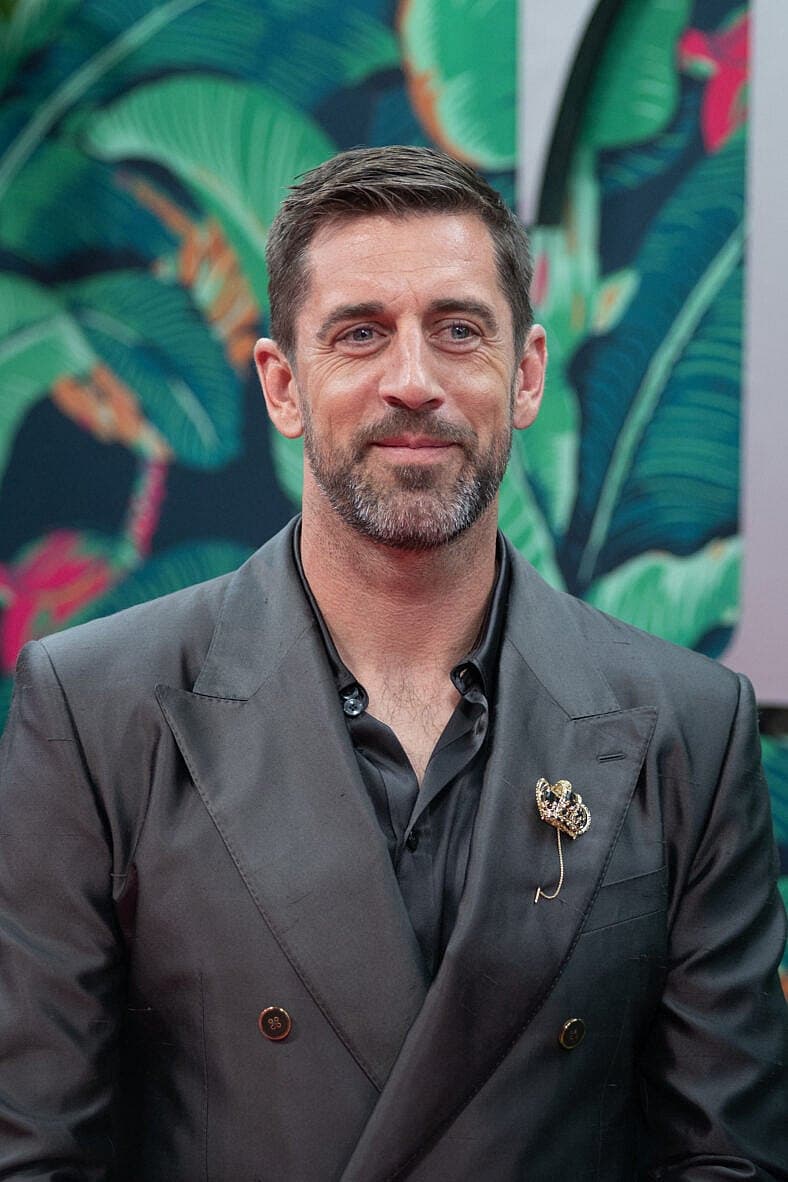
Aaron Rodgers’ decision to label Dr. Anthony Fauci a “coward and a criminal” was not an isolated swipe from the outspoken NFL star. Instead, it reopened a controversy that has followed the quarterback since the height of the COVID-19 pandemic.
Years before Rodgers targeted the former government health official during a live appearance on “The Pat McAfee Show,” he faced intense backlash for telling reporters he had been “immunized” without disclosing that he had not received an approved COVID-19 vaccine. What began as a dispute over Rodgers’ vaccination status eventually grew into a much larger battle involving the NFL, vaccine mandates, pharmaceutical companies and Fauci himself.
Rodgers reignited the dispute while appearing on “The Pat McAfee Show” at the Pittsburgh Steelers’ training camp in Latrobe, Pennsylvania. The quarterback initially received an enthusiastic reception from the sizable crowd, which included fans waving the team’s signature yellow towels behind the show’s set.
However, the atmosphere reportedly became noticeably quieter once Rodgers moved beyond football and began discussing vaccines, Fauci and the government’s pandemic-era policies. During the conversation, Rodgers called Fauci a “coward and a criminal” while criticizing the federal government’s COVID-19 response.
Rodgers’ remarks arrived days after Fauci repeatedly invoked his Fifth Amendment rights during a contentious Senate hearing concerning the pandemic and its origins. Fauci maintained that the proceeding was politically motivated, while Republican lawmakers continued pressing allegations of misconduct that he has denied.
His ‘Immunized’ Answer Sparked A Firestorm
 5
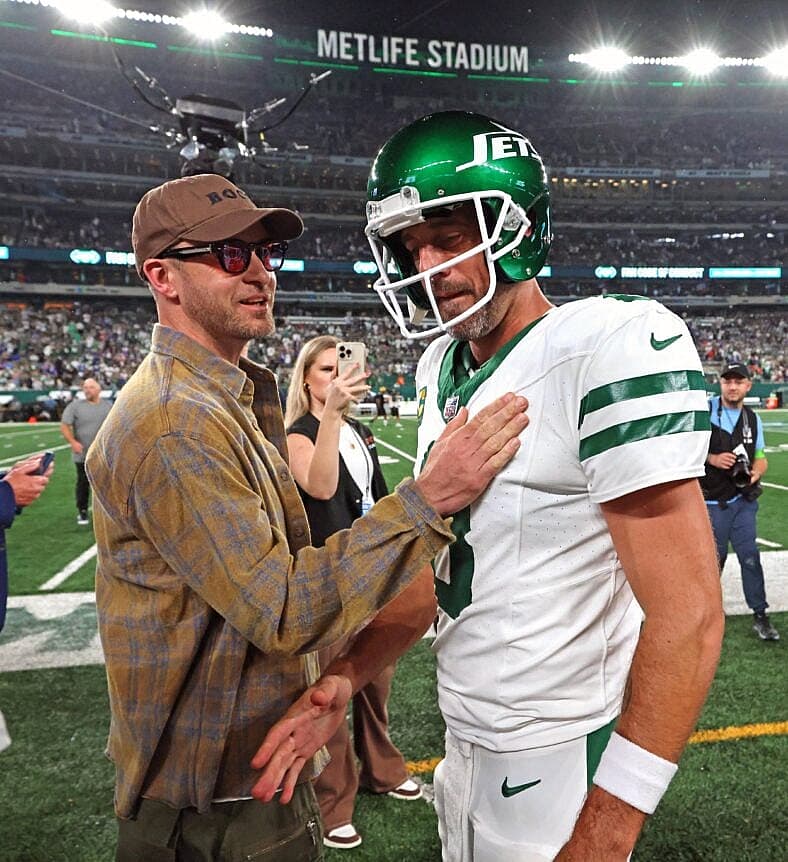
5Rodgers’ COVID controversy began publicly in August 2021 while he was playing for the Green Bay Packers. When a reporter directly asked whether he had received a COVID-19 vaccine, Rodgers responded, “Yeah, I’ve been immunized.”
His answer was widely interpreted to mean that he had been vaccinated. However, after Rodgers tested positive for COVID-19 that November, it emerged that he had not received one of the vaccines approved for use in the United States. The revelation immediately raised questions about whether Rodgers had intentionally misled reporters and fans about his vaccination status.
Aaron Rodgers Insisted He ‘Didn’t Lie’ About His COVID Vaccination Status
 5
5Rodgers disputed that characterization during an explosive appearance on “The Pat McAfee Show,” insisting that he had undergone an alternative treatment intended to raise his antibody levels. “First of all, I didn’t lie in the initial press conference,” Rodgers said. “At the time, my plan was to say that I have been immunized. It wasn’t some sort of ruse or lie; it was the truth.”
He also claimed he would have provided a more extensive explanation if reporters had asked him a follow-up question. “I’m not some sort of anti-vax, flat-Earther,” Rodgers continued. “I am somebody who’s a critical thinker.”
According to Rodgers, he was allergic to polyethylene glycol, an ingredient found in the Pfizer and Moderna vaccines. He also said he was uncomfortable receiving the Johnson & Johnson vaccine because of reported adverse reactions associated with the shot.
Rodgers reportedly submitted information about his alternative protocol to the NFL and requested that the league consider him vaccinated. The request was denied.
The Quarterback Defended His Right To Make His Own Choice
 5
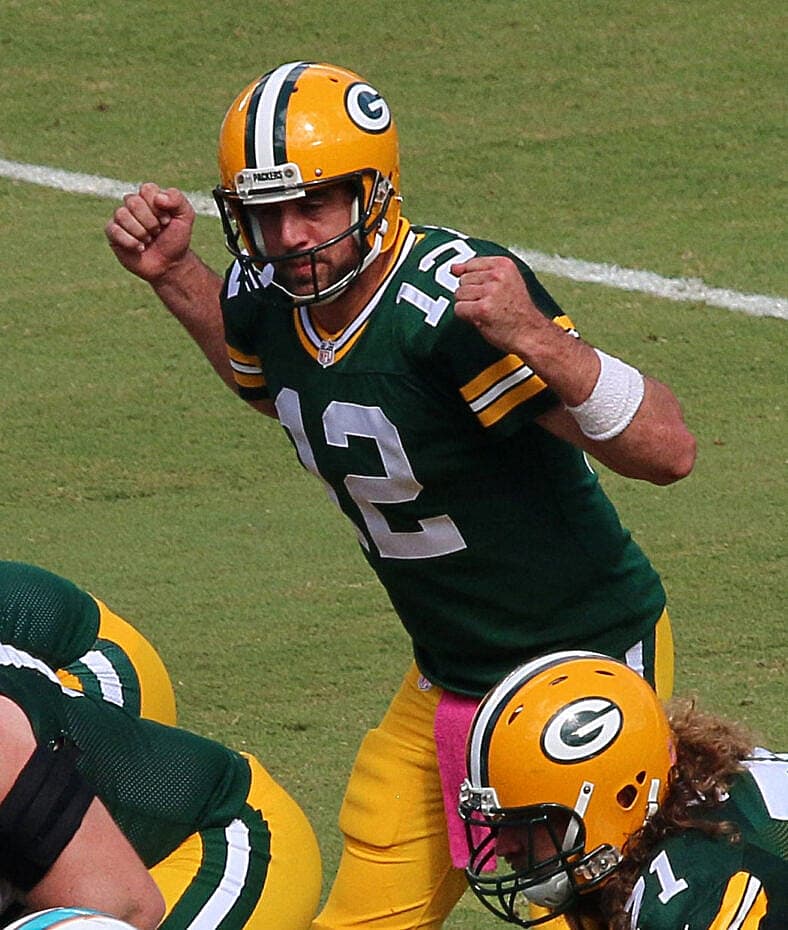
5Rodgers framed his decision as an issue of personal freedom and bodily autonomy rather than opposition to all vaccines. “I believe strongly in bodily autonomy and the ability to make choices for your body,” he said during the November 2021 interview.
The quarterback also revealed that he had consulted Joe Rogan after testing positive and said he took several treatments, including ivermectin, monoclonal antibodies, zinc and vitamins. Ivermectin is approved to treat certain conditions in humans and animals, but the Food and Drug Administration has not authorized or approved the drug for preventing or treating COVID-19.
Rodgers’ remarks intensified the criticism surrounding him, particularly after he described the scrutiny as a “witch hunt” and claimed he was in the “crosshairs of the woke mob.” He also attacked the NFL’s COVID-19 protocols, questioning requirements that treated vaccinated and unvaccinated players differently.
The controversy ultimately carried consequences for both Rodgers and the Packers. The NFL fined the organization $300,000, while Rodgers and teammate Allen Lazard were each fined $14,650 for violating league protocols. The penalties stemmed from their attendance at a Halloween party involving more than three players outside the team facility, according to ESPN.
Aaron Rodgers Later Admitted He ‘Misled’ People
 5
5Although Rodgers continued defending his decision not to receive an approved vaccine, he later acknowledged that his original language created the wrong impression. “I shared an opinion that’s polarizing,” he said during another appearance on McAfee’s show. “I get it. And I misled some people about my status, which I take full responsibility of, those comments.”
Still, Rodgers emphasized that he stood by his broader position. “In the end, I have to stay true to who I am and what I’m about,” he added. “I stand behind the things that I said.”
Rodgers revisited the controversy again years later in Ian O’Connor’s biography, “Out of the Darkness: The Mystery of Aaron Rodgers.” While he expressed regret over using the word “immunized,” the quarterback suggested he would have handled the disclosure more directly, not that he would have made a different medical decision.
“If I could do it again, I would have said, ‘F-ck the appeal. I’m just going to tell them I’m allergic to PEG, I’m not getting Johnson & Johnson, I’m not going to be vaxxed,’” Rodgers said, according to ESPN.
Rodgers continued invoking the vaccine controversy long after the NFL relaxed its pandemic-era protocols. In 2023, he mocked Kansas City Chiefs star Travis Kelce as “Mr. Pfizer” after the tight end appeared in an advertisement promoting COVID-19 and flu vaccines.