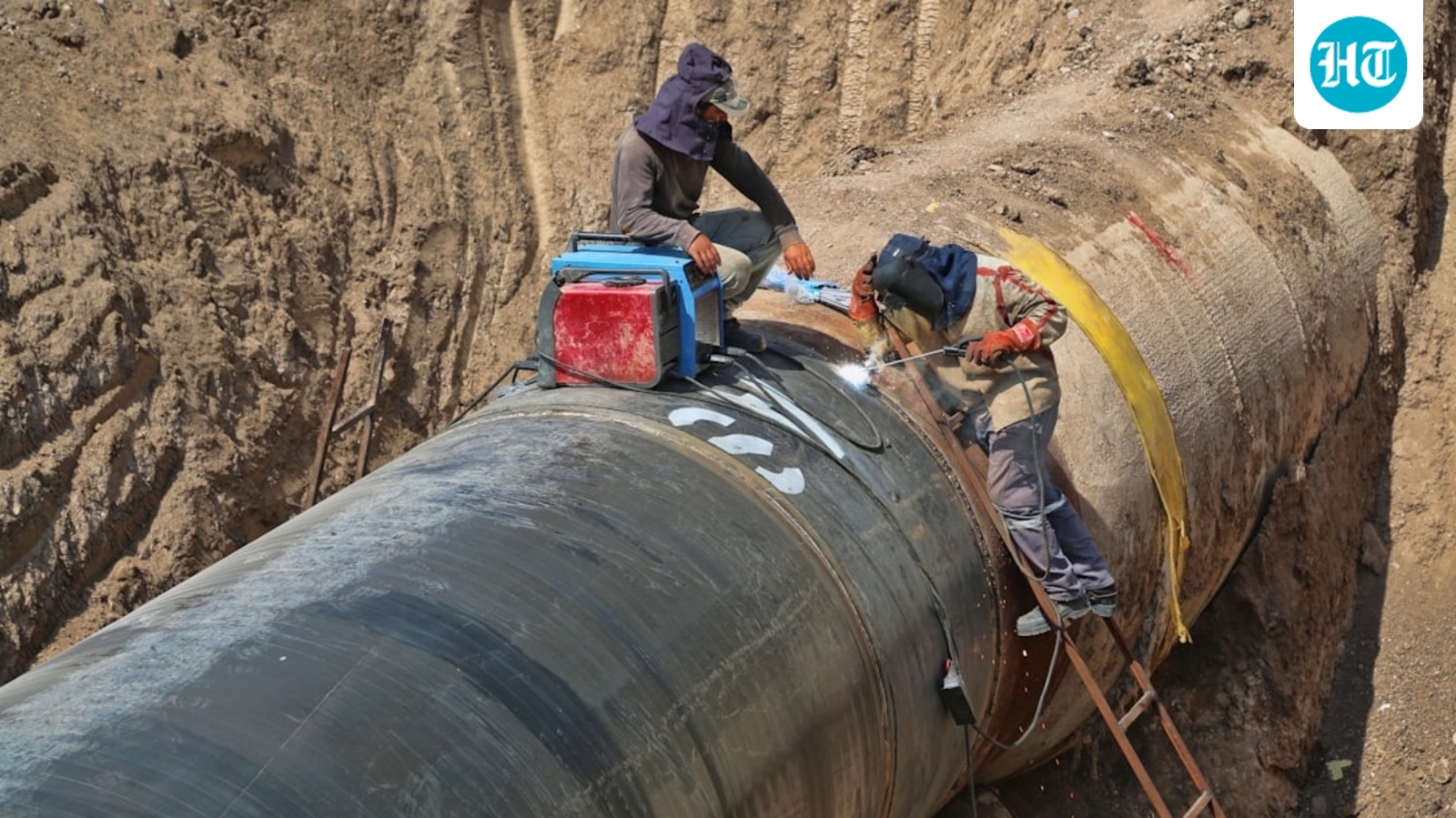
Among the legacies of the Middle East’s decades of conflict is a network of pipelines that seeks to divert the region’s oil to safer harbours. In 1968, after the six-day war closed the Suez Canal, Egypt and the Gulf states hatched a plan to build a 320km (200 mile) pipeline that would connect the Red Sea to the Mediterranean. But it was not until 1974, after the oil embargo brought on by the Yom Kippur war, that construction began on the Suez-Mediterranean (Sumed) pipeline. In 1977, the year Sumed came online, Mobil, an American oil giant, announced plans to build a 1,200km pipeline across Saudi Arabia, from the giant Ghawar oilfields near the Persian Gulf to the Red Sea. Construction of the East-West pipeline, completed in 1981, was hastened by the outbreak of the Iran-Iraq war the year before.
Sign in
Sign in
Recover your password.
A password will be e-mailed to you.