

The Nigerian Upstream Petroleum Regulatory Commission (NUPRC) says 22 major offshore projects are expected in Nigeria between 2026 and 2030, with an estimated investment potential of between $30 billion and $50 billion.
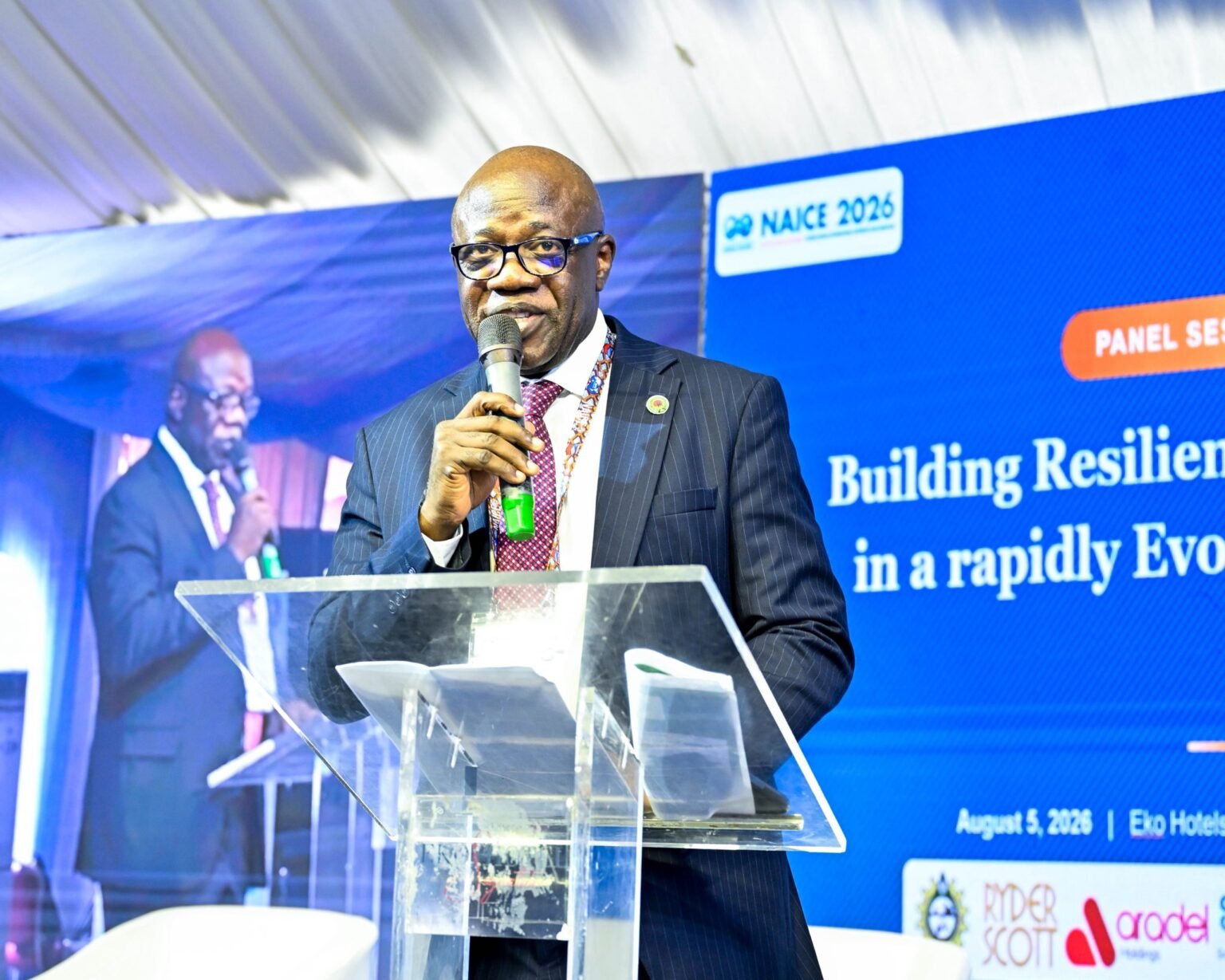
Oritsemeyiwa Eyesan, the commission’s chief executive officer (NUPRC), spoke on Wednesday in Lagos at the Society of Petroleum Engineers’ Nigeria Annual International Conference and Exhibition (NAICE 2026).
Eyesan, who was represented by Enorense Amadasu, NUPRC’s executive commissioner of development and production, said the investments would increase production, create jobs, and strengthen energy security.
“Since 2024, the NUPRC has approved over US$57 billion in Field Development Plan (FDPs) some of which have translated to Final Investment Decisions,” she said.
“Twenty-two (22) major offshore projects are expected between 2026 and 2030 with an estimated investment potential of $30–50 billion.
“Beyond increasing production, these investments will create jobs, expand infrastructure, strengthen energy security and reinforce Nigeria’s position as a leading global upstream investment destination.”
Eyesan said Nigeria is developing its proven reserves and also building a resilient energy future by maintaining a strong pipeline of exploration opportunities to sustain long-term growth and energy security.
According to the NUPRC CEO, since 2022, successive licensing rounds have opened access to some of Nigeria’s most prospective oil and gas acreages.
She cited the 2025 licensing round, where 31 companies emerged as successful bidders for 37 oil and gas blocks after progressing through a robust, data-driven and technology-enabled evaluation process
“With preparations already underway for the 2026 Licensing Round, Nigeria is demonstrating that investment certainty is no longer an aspiration; it is becoming an enduring feature of our regulatory framework,” the NUPRC boss said.
Eyesan said infrastructure deficit continues to undermine Africa’s promising potential, but noted that Nigeria is addressing the challenge through targeted strategies.
“We are expanding gas gathering systems, processing facilities, pipelines and export infrastructure, while promoting shared facilities, open access, third party access and field tiebacks to reduce costs, speed up project delivery, maximise the use of existing infrastructure and help bring stranded oil and gas resources into production,” Eyesan said.
She said stronger collaboration among the government, security agencies, operators, host communities, private partners, and the host community development trust has, in addition to the infrastructure strategies, improved the protection of critical energy assets, ultimately strengthening Nigeria’s upstream sector.
In November 2025, the NUPRC announced that the government approved oil field development plans (FIDs) worth about $20 billion between January and October last year.
A month earlier, Shell Nigeria Exploration and Production Company (SNEPCo) Limited said it had taken a $2 billion FID on the HI offshore gas project in the country.
President Bola Tinubu, on March 11, approved a targeted fiscal incentive designed to fast-track Shell’s $20 billion FID in deepwater project.