

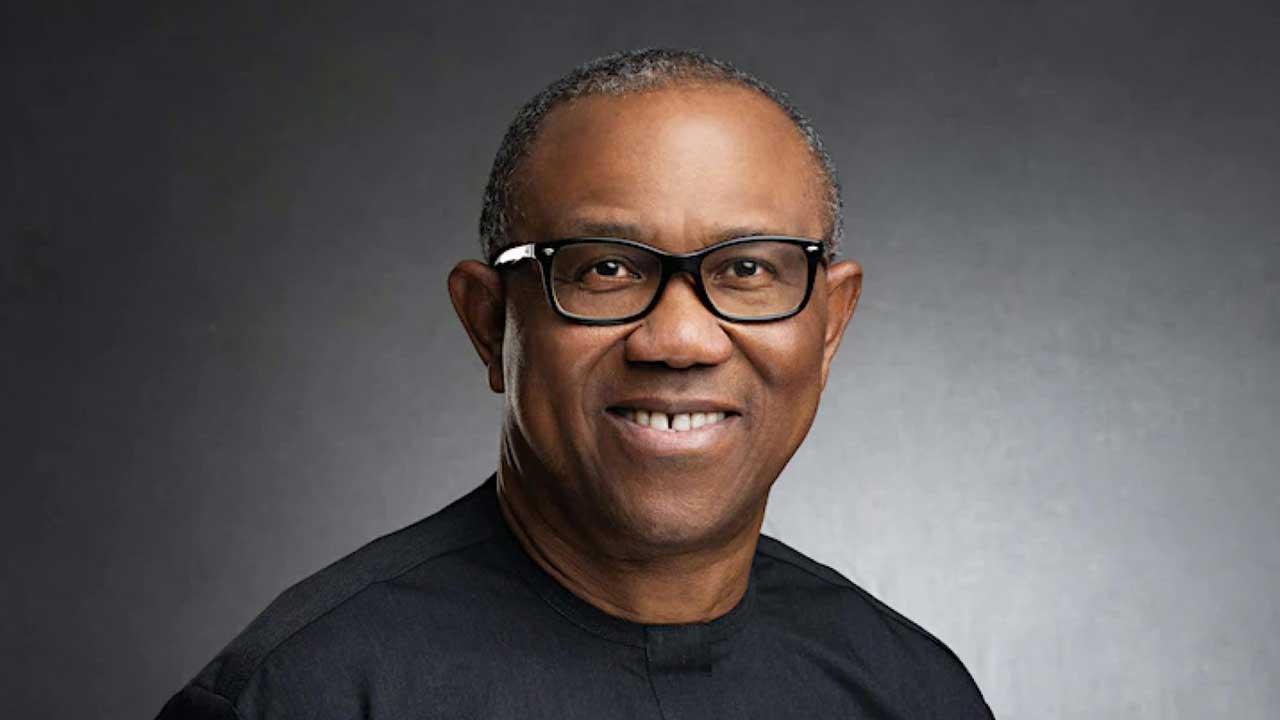
Presidential contenders for the 2027 election disagreed over how Nigeria should tackle insecurity, fuel prices, policing and economic hardship during a political debate at the Nigerian Bar Association’s 66th Annual General Conference in Port Harcourt, Rivers State.
Peter Obi of the Nigeria Democratic Congress, Omoyele Sowore of the African Action Congress, Donald Duke of the People’s Redemption Party and Adewale Adebayo of the Social Democratic Party, alongside African Democratic Congress vice-presidential candidate Rotimi Amaechi, presented sharply different solutions to the country’s challenges.
The debate, held on Monday as part of the NBA conference themed “Beyond Limits: Redefining the Practice of Law,” also featured Chief of Staff to the President, Femi Gbajabiamila, who defended the Federal Government’s reforms, including its proposed state police framework.
Obi links insecurity to poverty
Obi argued that Nigeria’s security crisis could not be solved through military or policing measures alone, saying poverty, unemployment, corruption and weaknesses in intelligence gathering must also be addressed.
The former Anambra State governor called for a major review of the country’s security strategy and advocated a “human security” approach that would focus on improving citizens’ economic conditions alongside strengthening security institutions.
He said reducing poverty and unemployment would help limit criminal activity, while public officials must also be held accountable for the misuse of state resources.
Obi further called for stronger cooperation among security agencies, better welfare for personnel and greater support for communities and local vigilantes.
He identified intelligence gathering as one of the major weaknesses in Nigeria’s security architecture.
The 2027 presidential hopeful also argued that Nigeria must move away from an economy driven largely by consumption and increase production, particularly through agriculture and other sectors capable of creating jobs.
Sowore rejects subsidy removal
Sowore took a different position on petrol subsidy, saying he would not remove it if elected president.
The AAC candidate argued that previous subsidy-removal policies had placed greater pressure on ordinary Nigerians while benefiting political elites.
He questioned the rationale behind asking Nigerians to endure higher living costs in the hope that the economy would eventually improve.
Sowore also criticised the records of political figures who have previously held public office, including Obi and Amaechi.
He accused Amaechi of failing to deliver sufficiently on infrastructure during his time as Rivers State governor and questioned Obi’s record in Anambra, particularly over alleged strikes involving lecturers and medical workers.
On security, Sowore proposed a multi-stage approach involving better funding and equipment for security agencies, improved welfare, stronger enforcement of the law and the use of technology such as drones.
He also proposed a N500,000 minimum wage and promised measures including free education, housing construction, job creation and a shift towards a green economy.
Amaechi defends record in government
Amaechi, however, argued that economic hardship and weak intelligence gathering were central to Nigeria’s security challenges.
The former Rivers governor said governments must create an economy in which citizens can earn enough to meet their needs, warning that severe financial pressure could push even professionals into criminal activity.
Drawing from his experience as governor, Amaechi said intelligence was critical to preventing crime and claimed that his administration used information gathering to monitor criminal activities across Rivers State.
He also pointed to infrastructure projects completed during his tenure, including schools and roads, while defending his record as a former minister.
Amaechi said political candidates should be assessed based on what they achieved while in office rather than their ethnic or regional backgrounds.
He also argued that any opposition coalition ahead of 2027 should be built around performance and not merely political calculations.
The former governor said he would favour community policing over a conventional state police structure, arguing that policing closer to communities could help identify security threats more effectively.
Sowore challenges Amaechi
The exchange between Sowore and Amaechi became particularly heated when the AAC candidate challenged politicians who had previously occupied public offices to account for their records.
Amaechi responded by listing infrastructure projects he said he delivered and challenged Sowore to point to his own experience in government.
Sowore fired back, accusing politicians who had previously held office of failing Nigerians and questioning why they should return to power.
Duke questions Nigeria’s fuel subsidy policy
Duke also rejected the Federal Government’s approach to fuel subsidy.
The former Cross River governor argued that Nigeria could not genuinely claim to be removing a subsidy that, in his view, was not properly defined or operated.
He said the country’s crude oil resources should be used to support affordable energy and improve productivity, rather than forcing Nigerians to pay prices comparable to countries that import their raw materials.
Duke also questioned the transparency of previous crude-for-product swap arrangements and called for greater accountability in the management of the country’s oil resources.
He dismissed concerns that cheaper petrol would automatically encourage smuggling, arguing that stronger border controls should be used instead of making Nigerians bear higher costs.
Adebayo backs policing at all levels
Adebayo advocated a decentralised policing system in which the Federal Government, states and local governments would each have their own police structures.
He argued that a government with the constitutional authority to make laws should also have the capacity to enforce those laws.
According to him, decentralised policing should be treated as part of Nigeria’s federal structure rather than as a political concession.
He attributed the country’s current centralised policing system largely to military rule and described the Federal Government’s present state-police proposal as a potential political manoeuvre.
Presidency defends state police plan
Gbajabiamila, speaking during the conference, defended the Federal Government’s decision to pursue state police reforms.
He acknowledged concerns about the possibility of political interference but argued that the reform could improve police coverage if accompanied by effective safeguards and oversight.
He said Nigeria’s police-to-population ratio remained below international benchmarks, while many officers were assigned to administrative and escort duties rather than core policing responsibilities.
Gbajabiamila stressed that officers would require proper training and professional standards under any new policing arrangement.
He also raised the question of who would exercise oversight over state police and argued that elected governors should have executive responsibilities without being allowed to use police powers to target political opponents.
The Chief of Staff said officers who reject unlawful orders must also receive institutional protection.
The debate highlighted the wide differences among political actors seeking influence ahead of the 2027 elections, particularly over economic policy, policing and the management of insecurity.
With political parties already positioning themselves for the next general election, the competing proposals are likely to remain central to the campaign as Nigerians assess the records and policy promises of those seeking national leadership.