

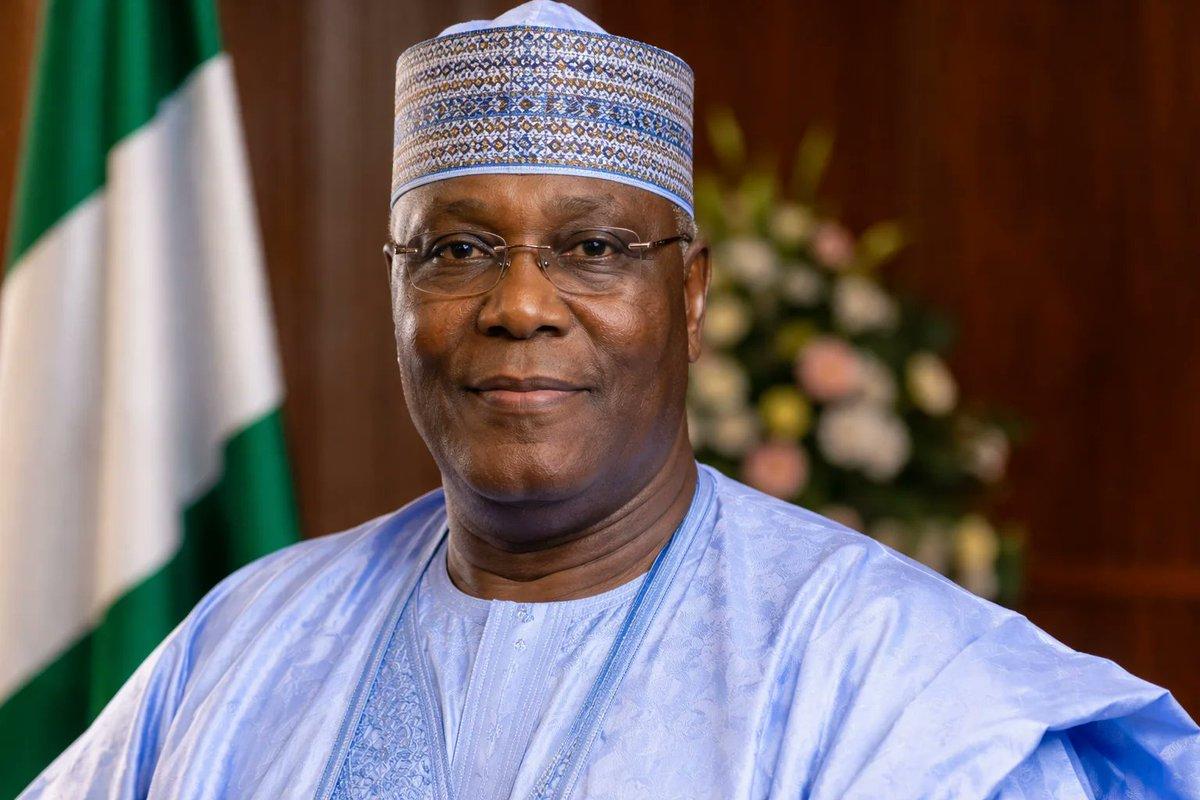
The presidential candidate of the African Democratic Congress, Atiku Abubakar, has pushed back against concerns about his age ahead of the 2027 election, questioning whether his appearance suggests that he is already 80.
The former vice president made the comment during an interview with BBC Hausa while responding to questions about whether his age could affect his ability to serve effectively if elected for a four-year term.
Atiku, who will be close to 80 by the time Nigerians vote in 2027, was asked what he would tell those who believe he is too old to seek the presidency.
In his response, he referred to President Bola Tinubu’s age before turning the question back on the interviewer.
He initially asked, “Do I look to you like someone who has reached 80 years of age?”
The exchange comes as Atiku steps up efforts to build an opposition coalition ahead of the 2027 presidential election and challenge the ruling All Progressives Congress.
Atiku defends role in opposition coalition
Atiku also rejected suggestions that he was frustrating efforts to unite opposition parties, insisting that he played a major role in bringing the coalition together.
He described accusations that he had become an obstacle as unfounded and said he was the person who initiated the coalition.
According to Atiku, most of the politicians involved at the beginning remained committed to the project, although some prominent opposition figures subsequently moved away.
He specifically mentioned Peter Obi and Rabiu Kwankwaso among those who were no longer part of the group.
The former vice president, however, said the door remained open for opposition politicians to reunite before the 2027 election.
He expressed confidence that an agreement could eventually be reached to work together in what he described as an effort to rescue Nigerians from hardship.
Atiku promises subsidy return
The ADC candidate also criticised the Federal Government’s handling of the removal of the petrol subsidy.
Atiku said he did not oppose the decision to remove the subsidy itself but questioned how the government had accounted for the funds saved through the policy.
He argued that the money should have been channelled into areas such as education, security, poverty reduction and employment opportunities for young Nigerians.
Atiku accused the government of failing to adequately account for the savings and alleged that the funds could have been misappropriated.
He further promised that, if elected president, he would restore the petrol subsidy and pursue the recovery of any funds that had been stolen.
The former vice president maintained that subsidy removal could have been implemented without imposing the current level of hardship on Nigerians if the savings had been transparently invested in development.
Why Atiku rejected peace accord
Atiku also explained why he declined to sign a peace accord involving opposition politicians.
He questioned the rationale for asking opposition candidates to sign such an agreement while excluding the incumbent government.
According to him, the process would have little value unless the ruling party was also required to commit to the same terms.