

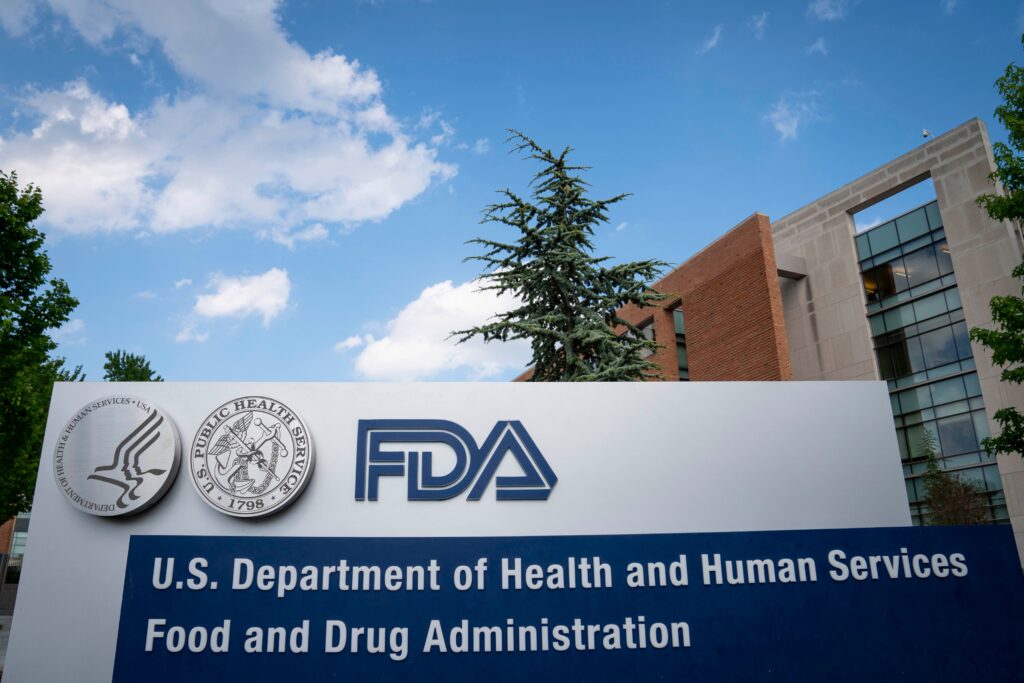
The market for peptides, chemicals that have been increasingly promoted as new medical treatments and wellness products, got a big boost this week as a divided Food and Drug Administration panel voted to recommend loosening regulations on six peptide treatments.
The peptides are backed by some physicians and celebrities, as well as Health Secretary Robert F. Kennedy Jr., and have been proposed for a range of purposes including promoting wound healing and treating migraines, obesity and inflammation.
FDA scientists had urged the panel not to vote in favor of the peptides because they haven’t gone through rigorous clinical trials to test their safety and efficacy.
The panel’s votes will help inform the FDA’s decision as it weighs whether to allow compounding pharmacies, which make specialized medicines, to produce the peptides. It’s a big step toward making the peptides more accessible, but several steps — and many questions about the chemicals — remain. Here’s what to know.
What peptides were voted on?
The Pharmacy Compounding Advisory Committee reviewed seven peptides and, in narrow decisions, voted in favor of six of them:
- BPC-157, proposed to treat ulcerative colitis
- Epitalon, proposed to treat insomnia
- KPV, proposed to help promote wound healing and treat inflammation
- MOTS-c, proposed to treat several conditions including insulin resistance, obesity and osteoporosis
- Semax, proposed to treat migraines, cerebral ischemia (a condition where the brain receives inadequate blood flow) and trigeminal neuralgia, a chronic pain disorder
- TB-500, proposed to promote wound healing
Some of these peptides are marketed online as having a wider range of uses than the treatments proposed to the FDA. Two of them, BPC-157 and TB-500, are touted by influencers as a “Wolverine Stack” that accelerates healing and reduces inflammation.
The committee voted against loosening regulations on Emideltide, which was proposed to treat opioid withdrawal and insomnia.
Lee Rosebush, the chair of the American Academy of Peptide Medicine, called the votes “one more step toward true medical freedom.”
Will the peptides become more accessible?
Not for now. The advisory committee’s decisions are just recommendations. The FDA will now decide whether to place the peptides on the 503A Bulks List, a list of pharmaceutical ingredients that compounding pharmacies are allowed to use to produce drugs.
The votes are not “a green light to compound with these peptides,” Ilisa Bernstein, a former deputy director of the FDA’s drug compliance office, told The Washington Post on Thursday. “FDA must keep their eye on the science, data, and patient safety as they consider their options and next steps.”
If the FDA places the peptides on the list, compounding pharmacies would be allowed to produce them. Compounding pharmacies produce specialized medicines that are not FDA-approved.
Physicians would then be able to prescribe the peptides to patients. Telehealth companies that sell prescription drugs would likely also be able to sell them online.
Advocates have argued that allowing pharmacies to produce peptides would lead to a safer supply. Currently, peptides can be purchased online from gray market sellers, but these often contain dangerous impurities.
Did the FDA approve the peptides?
No. The advisory committee’s decision was a recommendation, and focused on whether compounding pharmacies should be allowed to produce the peptides. The process for the FDA to approve a drug is more extensive and requires rigorous data from clinical trials.
FDA scientists said during the committee meeting that the seven peptides reviewed all lacked sufficient safety data, and that some of their medical benefits aren’t proven.
“I’m still not convinced whether there’s enough data out there,” Bernstein said. “The demand is not a substitute for data that demonstrates patient safety.”
What comes next?
The FDA can take months to years to develop final rules on drug regulations. The agency is currently reviewing public comments and new data about peptides, which will also inform their decision, officials said at the committee meeting.
The agency usually follows the advice of its advisory committees, experts said, though it’s not guaranteed.
It could be challenging to adequately regulate the peptides, former FDA officials told The Washington Post. While some panelists who voted for the peptides called for stronger measures to monitor patients who take them, federal law does not require some compounding pharmacies to report adverse drug effects.
Peptides remain a priority for Kennedy, and more will be up for review soon. The Pharmacy Compounding Advisory Committee will meet before the end of February to vote on whether to issue the same recommendation for five more peptides.
Shawn Hodges, CEO of Revelation Pharma, a national network of compounding pharmacies, said a peptide boom could be worth tens of billions of dollars to the pharmacy industry.