

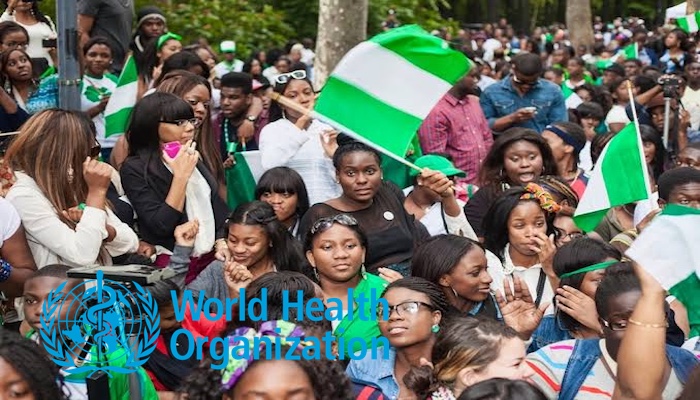
The World Health Organization (WHO) has expressed the need for meaningful engagement of Nigerian youths to seek their contribution in the development of African Region Strategic Plan 2026-2030 and Vision 2035.
It said the policy plan seeks to build a healthier, more resilient, and self-reliant Africa by 2035.
In his remarks at the Youth Consultative Forum on the WHO African Regional Strategic Plan 2026-2030, and Vision 2035, the WHO Representative in Nigeria, Dr. Pavel Ursu, said the forum will get youth perspectives on health promotion, universal health coverage, mental health, digital health, health security and climate change.
He said: WHO Africa’s proposed “A New Era of Health for Africa: United Action for Vision 2035″ seeks to build a healthier, more resilient, and self-reliant Africa by 2035.
“The strategy aligns with: African Union Agenda 2063 UN Sustainable Development Goals (SDGs) WHO Fourteenth General Programme of Work (GPW14) Universal Health Coverage (UHC) Pandemic preparedness and health security Climate-resilient health systems Equity and social inclusion Domestic financing for health and sustainable health systems development.
“The development of the WHO African Region Strategic Plan 2026-2030 and Vision 2035 come at a critical moment. Our Region continues to face complex public health challenges, including communicable and non-communicable diseases, health emergencies, climate-related health risks, and inequities in access to quality healthcare.
“At the same time, remarkable advances in innovation, technology, community engagement, and youth leadership provide new opportunities to transform health outcomes and strengthen health systems across the continent”.
Ursu said the forum has been convened to hear directly from youths and to get their insights so as to help shape strategic priorities and respond to challenges faced by young people in different countries and
communities.
He said that Africa is home to the world’s youngest population, with more than 60% of its people under the age of 25, adding that the continent’s population is projected to reach approximately 2.5 billion by 2050.
According to Ursu, the demographic reality presents a tremendous opportunity to accelerate progress towards healthier, more resilient, and more prosperous societies.
However, he said that realizing the potential requires that the voices, experiences, and aspirations of young people be meaningfully integrated into health planning, decision-making, and implementation processes
Onyebuchi Ezigbo
Follow us on: