

Environment
RISING sea temperatures are driving significant changes in marine wildlife across Southwest England and the wider Celtic Sea, according to the State of South-West Seas 2025 report.
The report, produced by leading marine research and conservation organisations, highlights major ecological shifts linked to sustained ocean warming, changing environmental conditions and broader ecosystem changes.
It combines observations from scientists, conservation groups, citizen scientists and the marine industry, making it one of the region’s most comprehensive annual assessments of marine environmental conditions.
Contributors include experts from the Marine Biological Association, Plymouth Marine Laboratory, the University of Plymouth, Exeter University, Wildlife Trusts, the Seal Research Trust, Natural England and the Marine Management Organisation.
One of the report’s most striking findings is a dramatic increase in Common Octopus populations across southwest waters, prompting researchers to describe 2025 as the “Year of the Octopus.”
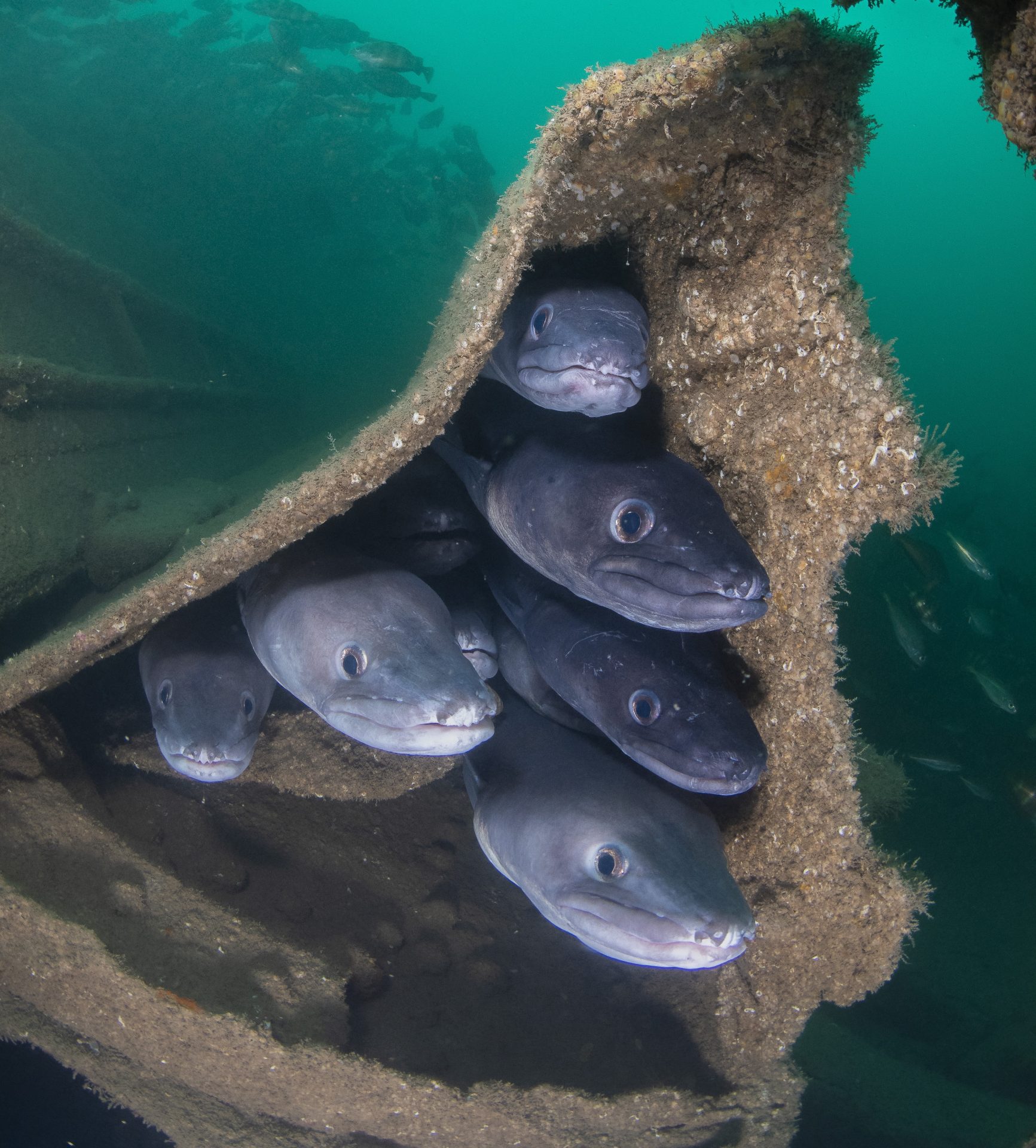
Researchers said the octopus boom has affected shellfisheries targeting lobster, crab and scallops while providing abundant prey for predators such as grey seals, Risso’s dolphins, blue sharks and conger eels.
The findings come as the western English Channel experienced its third consecutive year of marine heatwave conditions during spring and summer.
The report also documents climate-driven changes in the distribution of several marine species.
Populations of spiny lobster, black bream, two-banded sea bream, blackspot bream and comber continued to expand, while researchers recorded several warm-water species not previously seen in Britain.
Among the new records were the Hair Curler Sea Slug, potentially toxic warm-water dinoflagellates and several rare fish species.
However, some marine species appear to be declining.
Basking shark sightings remained historically low, summer mackerel catches were poor and reduced numbers of some starfish species persisted across the region.
Marine mammal populations also showed changing patterns.
Common dolphins appear to be moving northwards, sightings of Risso’s dolphins continued to rise, while coastal bottlenose dolphins were recorded less frequently during summer.
The report also recorded what researchers believe is the world’s first successful observation of wild seal pup twins surviving to weaning in Cornwall.
Marine habitats showed mixed trends.
Seagrass meadows continued to recover and expand, but prolonged periods of high temperatures caused bleaching in some intertidal algal communities.
Researchers also reported the first published UK record of the invasive sea squirt Didemnum pseudovexillum, raising fresh concerns over marine biosecurity.
Senior Research Fellow at the Marine Biological Association and editor of the report, Keith Hiscock, said the findings demonstrated the importance of long-term marine monitoring.
He said marine ecosystems were responding to a combination of warming seas, changing environmental conditions and human activities, making continued observation essential for effective conservation and management. (NAN)
Tags: Marine life Southwest UK Warming seas