

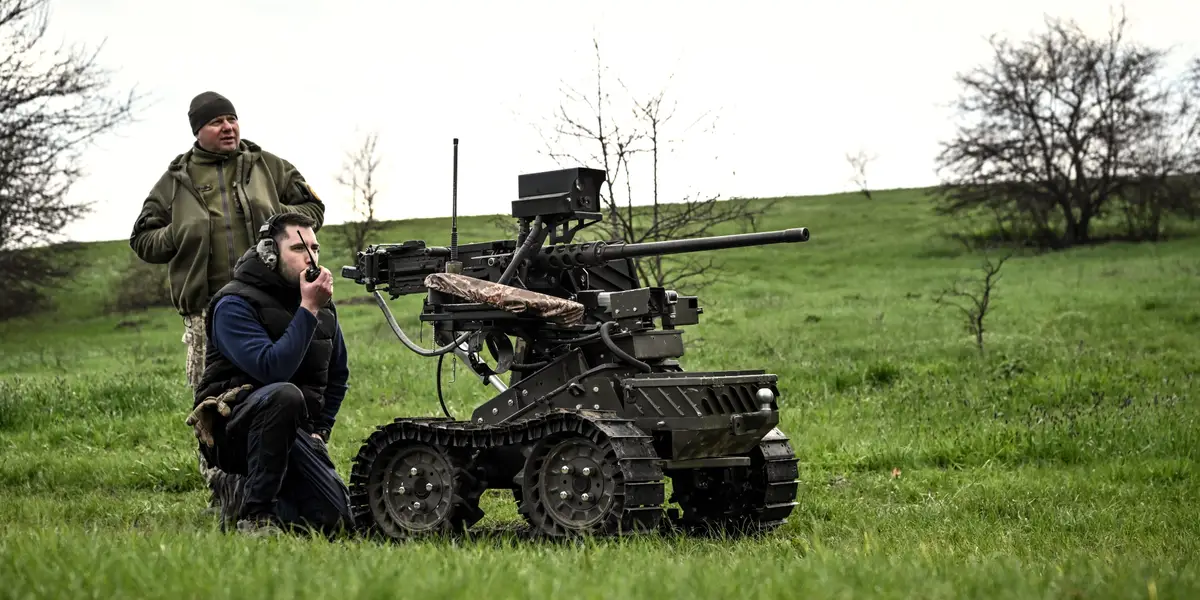
Ukraine’s defense industry can test new products and changes to gear in days, giving it a wartime edge from which Western militaries and arms makers can learn, officials and companies say.
Ukraine is in a fight for its life against Russia in a war that changes so fast that weaponry can swiftly become out of date in weeks. Its response has been to collapse the distance between the battlefield and the factory. Soldiers test weapons, send feedback directly to manufacturers, and companies push out fixes or upgrades in days or weeks.
Sir John Stringer, NATO’s Deputy Supreme Allied Commander Europe, told Business Insider that one of the things visible in Ukraine that allies need to learn from is the “sheer pace of adoption and adaptation in technology. It is measured in weeks.”
He said Ukraine’s “success is rooted, amongst other things, in the fact that at the front line, you don’t just have operators.” You have tech and industry too, which means “lessons are genuinely applied rather than admired.”
The West needs “accelerating capability development, measured in weeks and months, not just years and decades,” he said, speaking at a drone summit in Latvia that Business Insider attended.
That kind of rapid innovation cycle — testing, failing, fixing, and fielding again — is what Ukrainian companies described as their central advantage.
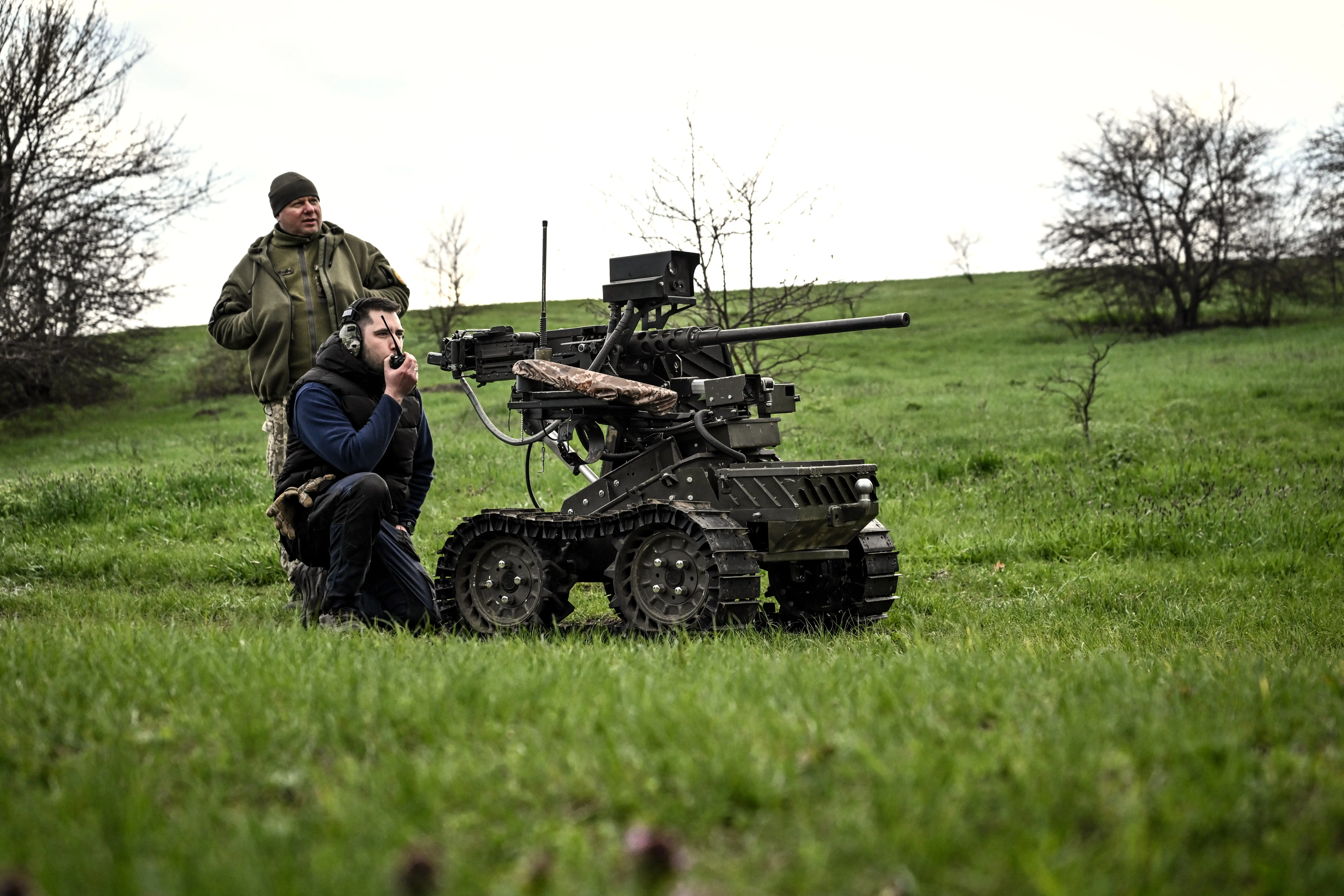
Drone and weapons maker Frontline Robotics makes up to 20 changes to its products a month, driven by constant soldier feedback and battlefield testing. Mykyta Rozhkov, its chief business development officer, told Business Insider that the company wants to be as “agile as possible,” something “very unique that we have in manufacturing culture in Ukraine in comparison with Europe.”
He said soldiers can ask for a change to a product, and Frontline can start working on that “within minutes.” It tests with the brigades, fixes any issues, and can have new updates for soldiers within a week.
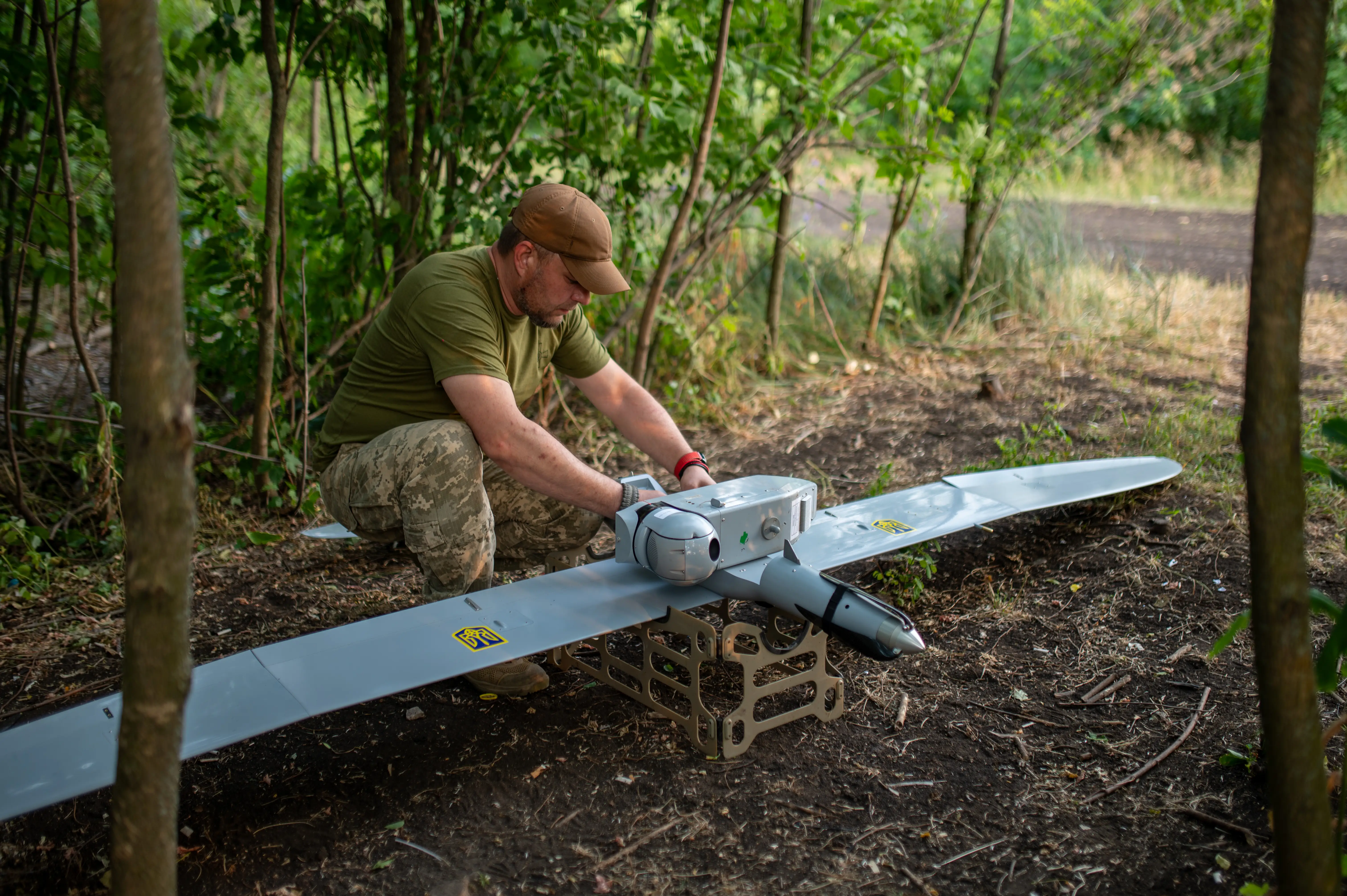
The CEO of Ukrainian arms maker Ark Robotics told Business Insider that it gets continuous requests for products and updates, and it’s “like a constant game of how we can implement these changes.”
Ark Robotics has employees who constantly tour the front lines to test in real-world conditions and get soldier feedback, something that’s “actually an extremely dangerous job because you have to go where the action is.”
But it’s necessary, because “this iteration cycle is insane,” Achi said, speaking under a pseudonym for security reasons. “I’ve never seen anything like it.”
Ukraine tests rapidly
That speed is possible in part because Ukraine’s military is more decentralized than many of its allies and gives troops and units much more autonomy.
Troops can independently purchase weapons, units can test out prototype weapons, soldiers can often modify gear themselves, and companies can get feedback through informal channels such as WhatsApp and FaceTime rather than having to wait for slower formal reviews.
Hryshyn said that is key to General Cherry’s speed. The company works “directly with military troops,” not the defense ministry, getting feedback faster and not needing to wait for formal approval for changes.
That quick innovation is essential to Ukraine’s survival, officials say.
Davyd Aloian, the deputy secretary of the National Security and Defense Council of Ukraine, said that in modern war, speed is essential. He said it “evolves way faster than the regular advance planning for the procurement processes and so on.” Weapons need to be made, tested, built, and delivered quickly because, if it takes months for weaponry to arrive, it “will already be outdated” for Ukraine’s battlefield.
Ukraine has a testing edge over its allies because it’s at war. Rozhkov described it as having an “unfair advantage,” because “we have direct contact with the military that are using our systems tens of times per day.”
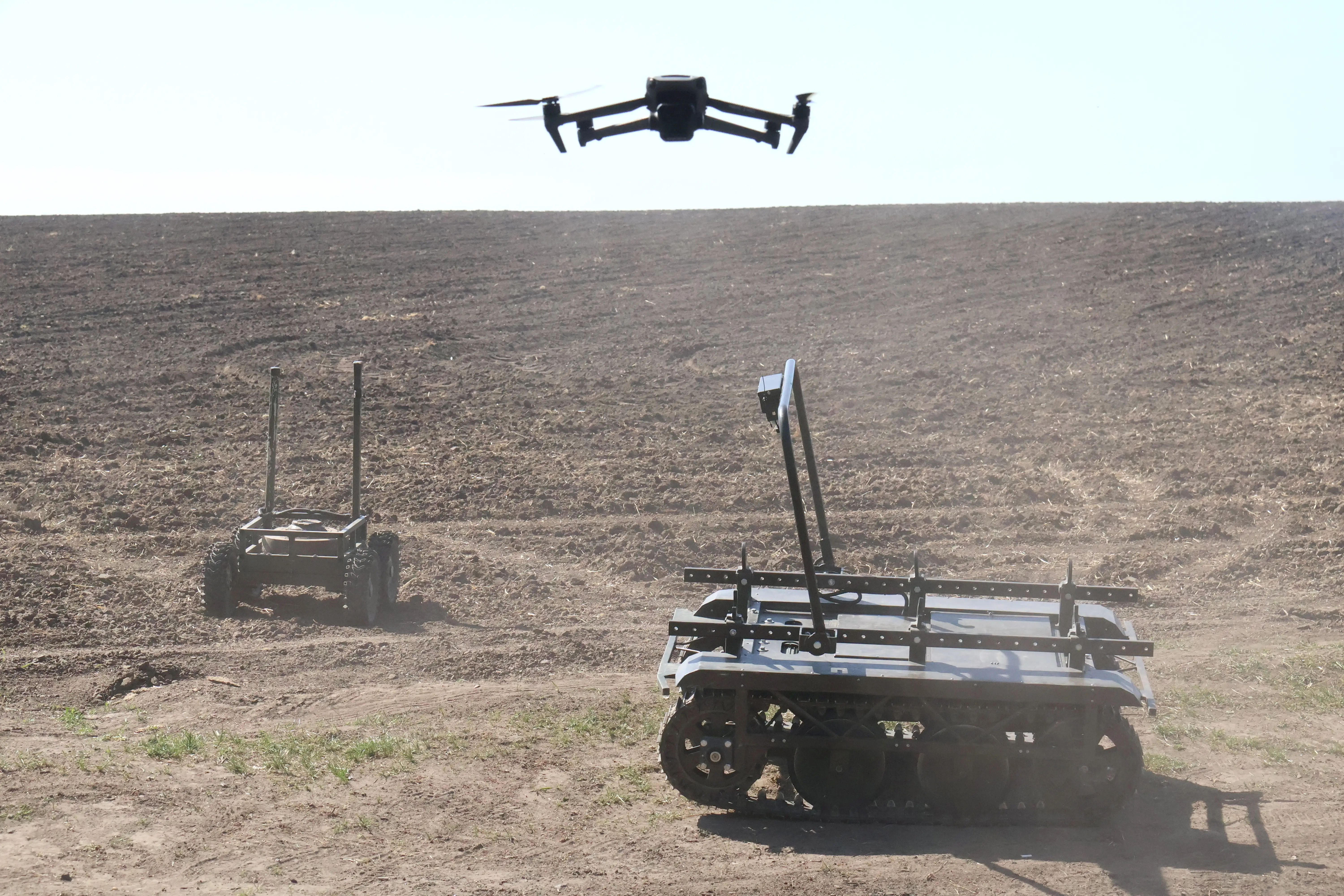
Western officials say the challenge now is figuring out how to absorb that lesson without waiting for their own war to force the change.
The West wants change
Heico Hübner, vice chief of the German Army, said that “The war in Ukraine has, to my mind, confirmed one central lesson beyond any doubt, and that is that the speed of military innovation has itself become a decisive factor of military power.”
He called that “the real strategic challenge for both Europe and the United States. The question is no longer simply who develops the better technology. The key question is who can scale innovation more rapidly and, more importantly, technically integrate it into the force faster.”
Stringer said that for the West, one thing that needs to be altered is the “traditional model” in which “our processes were measured in decades, not just years. Sure, for those multi-decadal programs — the frigates and destroyers, the fast jets, the armored fighting vehicles — that still has relevance. But there’s a much faster spin cycle that we’ve all got to invest in.”
Tarja Jaakola, NATO’s assistant secretary general for defense industry innovation and armaments, said earlier this year that innovative companies in Ukraine get feedback from soldiers and then get fresh solutions to them “within weeks.”
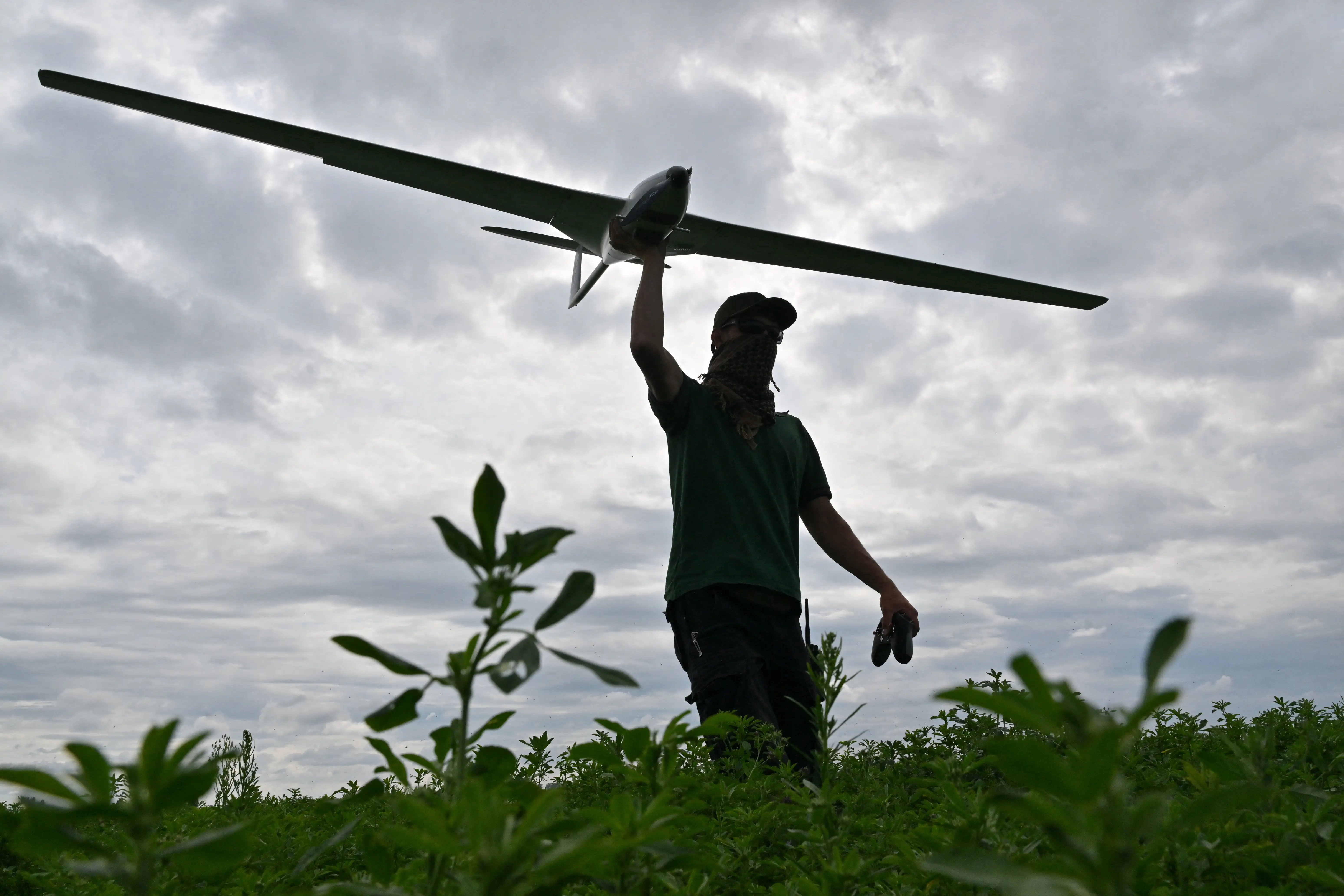
She said it’s an “important lesson that we need to learn from Ukraine.” NATO needs to “actually see how we can change our own mindset and our own way of working when we talk about capability development.”
Industry assessments echo that sentiment. Oliver Waghorn, the business development director at BAE Systems Digital Intelligence in the UK, said in February at Chatham House that industry now needs feedback from the fight within minutes or hours. “Anything else, you’ve lost the battle, you’ve lost the race already.”
The West is taking many lessons from Ukraine about how it needs to rethink weaponry, including the critical need to test, build, deliver, and update systems much faster. After decades of prioritizing smaller numbers of exquisite weapons, militaries are now looking to build larger arsenals of cheaper systems that may not be perfect but can be produced quickly and used at scale.
For militaries accustomed to long development timelines, Ukraine’s warning is blunt. In a fast-changing war, a weapon that takes months or years to test and update may arrive too late to matter.
Read the original article on Business Insider