

The Human Rights Writers Association of Nigeria (HURIWA) has called on state governors to adopt the approach of Kaduna State Governor Uba Sani in exercising powers under the Land Use Act, describing his administration’s handling of compensation as a model of constitutional governance.
In a statement signed by National Coordinator Comrade Emmanuel Nnadozie Onwubiko, the rights group commended the governor’s recent payment of compensation to households affected by the 15-kilometre Ring Road project, stretching from Danbushiya Junction to Danhono 2 Junction at Millennium City.
The gesture, according to HURIWA, “has set a commendable standard for balancing the imperative of infrastructure development with the constitutional rights, dignity and economic wellbeing of citizens whose properties are acquired for public purposes.”
The group particularly applauded Governor Sani’s declaration that “public interest can never become a justification for injustice” and that development cannot be meaningful if it imposes hardship without compassion or pursues progress without fairness.
“These principles ought to become the minimum standard by which every governor in Nigeria exercises the enormous powers conferred by the Land Use Act,” Comrade Onwubiko stated.
He argued that while the law empowers state governments to acquire land for overriding public interest, “such authority must never be exercised arbitrarily or in ways that impoverish citizens by dispossessing them of their homes, businesses and ancestral lands without prompt, adequate and fair compensation.”
“Public interest and the constitutional right to property are not mutually exclusive. Responsible governance demands that both interests are carefully balanced,” he added.
The statement recalled that compulsory land acquisition has remained one of the most contentious governance issues in Nigeria for decades, with thousands of citizens allegedly deprived of their landed assets through government acquisitions without humane treatment or commensurate compensation.
Reports of such experiences have emerged from states including Lagos, Anambra, and even Kaduna under the immediate past administration, leaving many affected families to bear enormous financial and emotional burdens.
HURIWA argued that “it is therefore refreshing that Governor Uba Sani has demonstrated that governments can pursue ambitious infrastructure projects without sacrificing justice, compassion, and respect for the rights of citizens.”
His administration’s decision to slow aspects of the Ring Road project to allow for transparent assessment of affected properties before compensation was paid reflects a commendable commitment to fairness and accountability, the statement noted.
HURIWA also applauded the governor’s assurance that no citizen of Kaduna State will be dispossessed of property without fair and adequate compensation.
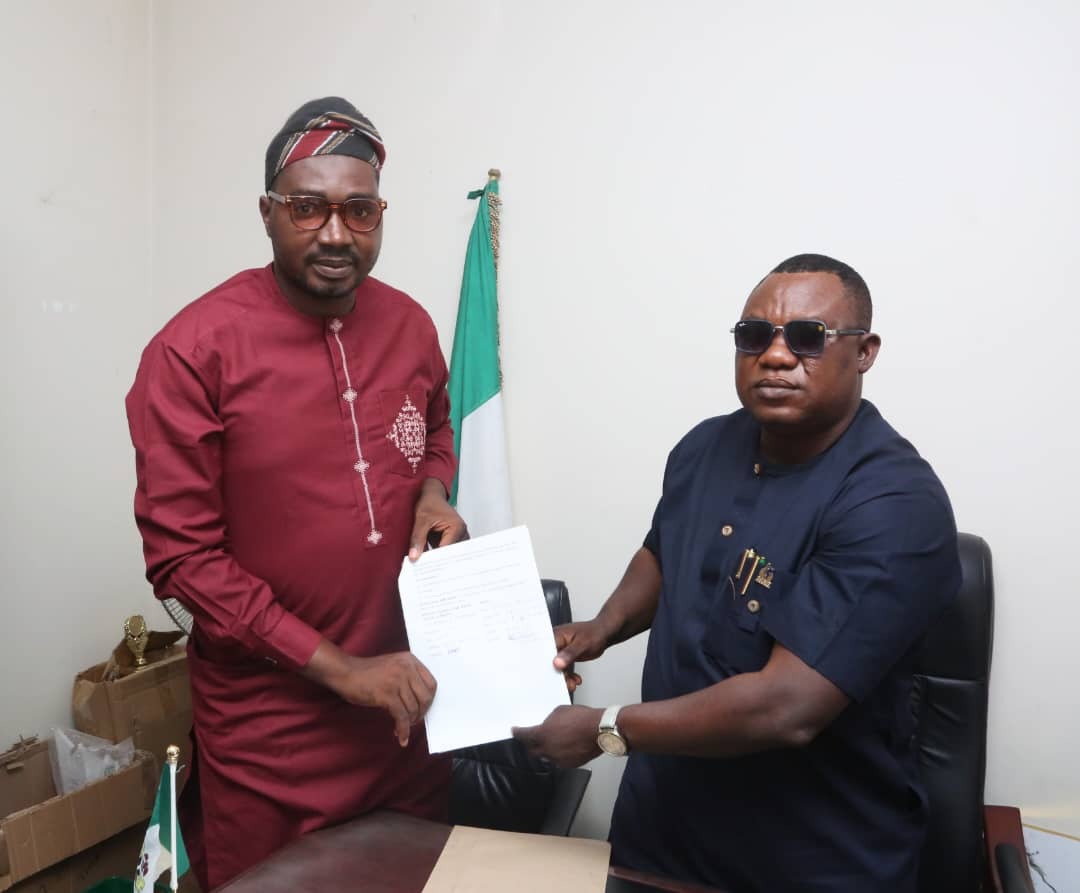
The distribution of compensation cheques to 122 affected households and the disclosure that over N3 billion has been paid to households affected by various infrastructure projects underscore an approach to governance anchored on justice rather than expediency.
Comrade Onwubiko urged all state governors to emulate this model by institutionalising transparent compensation mechanisms and engaging affected communities before compulsory land acquisition.
The statement added that governors should ensure “every citizen whose property is acquired in the public interest receives prompt, adequate and equitable compensation in accordance with the Constitution and the principles of natural justice.”
HURIWA pointed out that “governments earn greater legitimacy and public trust when development projects are pursued with fairness, empathy, and respect for the rule of law.”
“Sustainable development can only thrive where citizens are treated as partners in progress rather than casualties of it,” the statement added.