

By Omoyeni Ojeifo
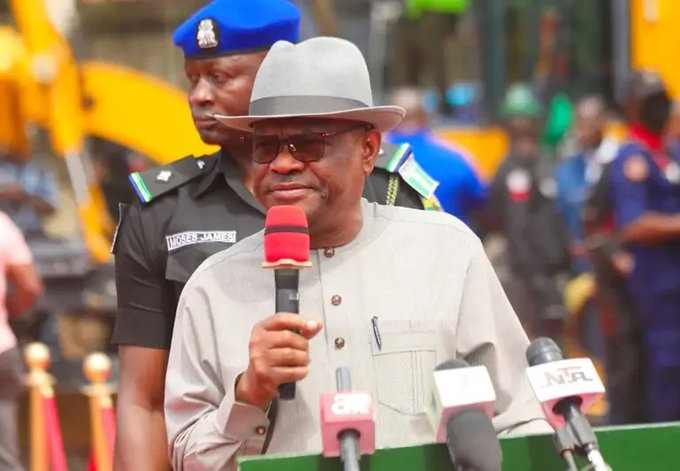
FCT Minister Nyesom Wike has disclosed that about 70 percent of the infrastructure projects commissioned under his administration were actually inherited after years of neglect—some abandoned for up to 16 years.
Speaking during a media chat monitored by Persecondnews on Thursday, Wike explained that reviving these projects ensures previous investments of public funds do not go to waste, while simultaneously restoring public trust in the government’s ability to deliver on its promises.
“I can tell you that some 70 per cent of the projects we have done in the past three years were projects awarded 15 or 16 years ago and abandoned. We couldn’t allow that to continue,” he said.
Wike said the decision followed President Bola Tinubu’s directive that inherited projects should not be left to deteriorate, even as the administration embarks on new ones.
“The President said we cannot abandon old projects, but while we are not abandoning old projects, we must also carry out new projects. That is exactly what we are doing.”
He attributed the faster delivery of projects to prompt payment of contractors and regular supervision by the FCT Administration, saying project sites are constantly monitored to ensure timely completion.
“Contractors believe they will be paid, and we are paying them. We are not just awarding jobs and sitting in the office. I don’t know any site I have not visited many times,” he added.
The minister dismissed claims that the administration is focused only on roads, saying investments have also been made in education, water supply and healthcare, with more than 120 schools already benefiting from government intervention.
“We have not concentrated on roads alone. If I mention the number of schools that have been intervened in, it is not less than 120 schools.”
Wike said communities now play a greater role in determining government priorities by identifying the infrastructure they need most, helping the administration decide where resources are most needed.
“You go to the communities and ask them, ‘What do you want?’ If they say they need water, then water becomes the priority. They become part of the decision-making process.”
On environmental sanitation, the minister acknowledged that waste management remains a challenge but insisted Abuja is cleaner today than it was in 2023.
He blamed indiscriminate dumping of refuse by residents and said the administration is expanding waste management infrastructure to improve waste collection and disposal across the territory.
“Waste management is a problem all over the world. We are improving, but residents also have a responsibility. Many people still throw plastic bottles and other waste on the streets instead of using designated bins.”
Wike also assured residents of Lokogoma that attention would soon shift to internal roads in the rapidly growing area.
He added that the administration is prioritising projects it has the resources to complete instead of awarding contracts that could be abandoned.
“Our concentration now will be to do some of the internal roads in Lokogoma. It is not about awarding contracts. It is about making sure they are completed based on the resources we have.
“I prefer to award projects that I know we can finish within the time available,” the minister said.
Wike assured that the administration would continue prioritising the completion of inherited projects while expanding roads, schools, water and other infrastructure to underserved communities across the FCT.