


A series of earthquakesthat have rattled the Golden State have triggered a new kind of aftershock — insurance costs.
Californians are scrambling to protect their houses amid fears “The Big One” could strike but are being met by sky high policies and ludicrous deductibles.
One broker who connects homeowners with deals told The Post he has seen calls per day surge by 700% and warned it has been sparked by the recent flurry of tremors hitting the region.
Meanwhile owners revealed they are shelling out thousands a year on top of their crippling other insurance plans to protect in case of an earthquake.
Yet they say even with this if their property is damaged or destroyed they could be in for a six-figure hit due to massive deductibles written into their policies.

It comes as a wave of increasingly large quakes have rocked the West Coast in recent weeks, including a 4.2-magnitude striking Frazier Park on Sunday and a 5.6 hitting Northern California at the end of June.
Experts warn there is a 99% chance of a massive one of 6.7 or greater hitting the state within the next 30 years, with 15,000 fault lines across SoCal alone.
The recent surge in tremors has sent homeowners flocking to get insurance, with the latest figures showing only 10% of households are covered.
Ara Muradyan, founder of EarthquakeAgent.com, told the California Post he has seen a huge uptick in people enquiring about coverage.
He said: “It’s the same thing every time we have headlines about earthquakes, or earthquakes themselves.”
Muradyan, who launched the online insurance brokerage after struggling to navigate the earthquake insurance market himself, said inquiries have surged from five calls a day to over 40.
He continued: “When people hear about earthquakes, they become interested.”
Muradyan said homeowners often assume their standard insurance policy covers earthquake damage.
But earthquake coverage must be bought separately, either through the California Earthquake Authority or private insurers, and policies vary widely in cost, coverage and deductibles.
Muradyan said: “The intelligent people who own homes want to protect that investment. They do their research. They want someone who has expertise to explain what’s covered and what policy best fits them.”
The cost of coverage depends on the size, location and how the house is constructed, with a regular ranch-style home in the valley of about three bedrooms costing about $2,000 a year.
But the real cost hits home when buyers read the fine print and see their deductible costs are usually between 10 and 15%.
It means if an $800,000 house is destroyed by an earthquake, the homeowner would have to cover up to $120,000 worth of the damage.
Craig Ribeiro owns a four-unit apartment building in Venice and has carried earthquake insurance since buying the property in 2002.
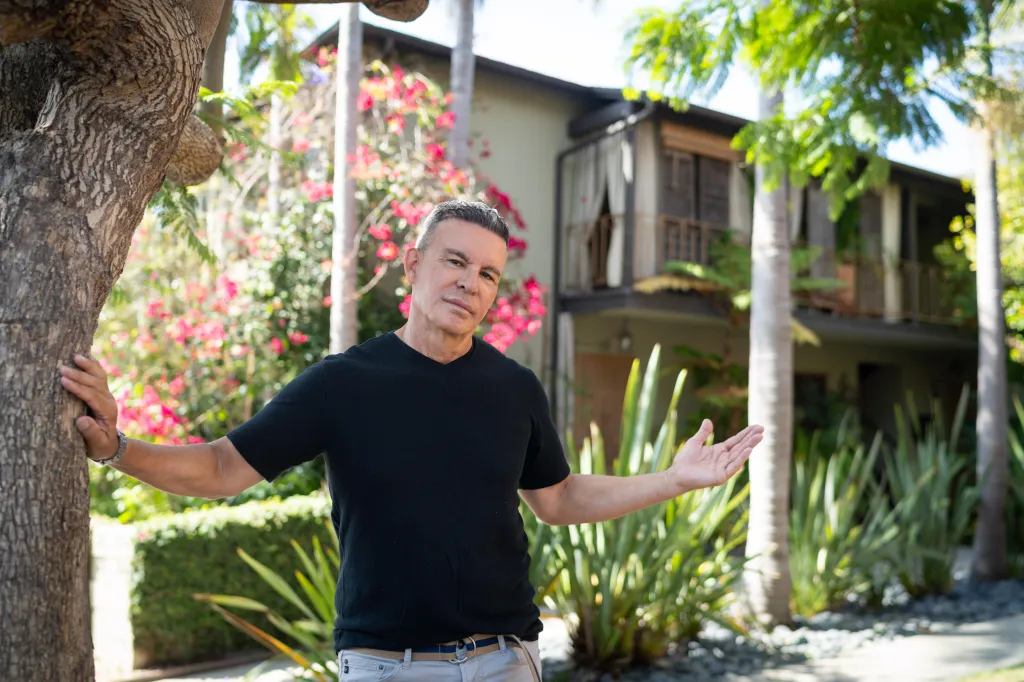
He said he pays $8,000 a year for his insurance package, including earthquake coverage. But if a major quake strikes, Ribeiro says he could still have to come up with $100,000 out of his own pocket.
He told The Post: “If an earthquake happens, I have a $100,000 deductible. Who has that laying around? It’s a killer.”
He said the deductible has climbed dramatically over the years. “When I first got it, it wasn’t nearly this expensive,” he said.
“I have the insurance because I have to. But if something happens, I don’t know how I’d come up with that kind of money.”
The current insurance landscape is largely a consequence of one of California’s worst natural disasters.

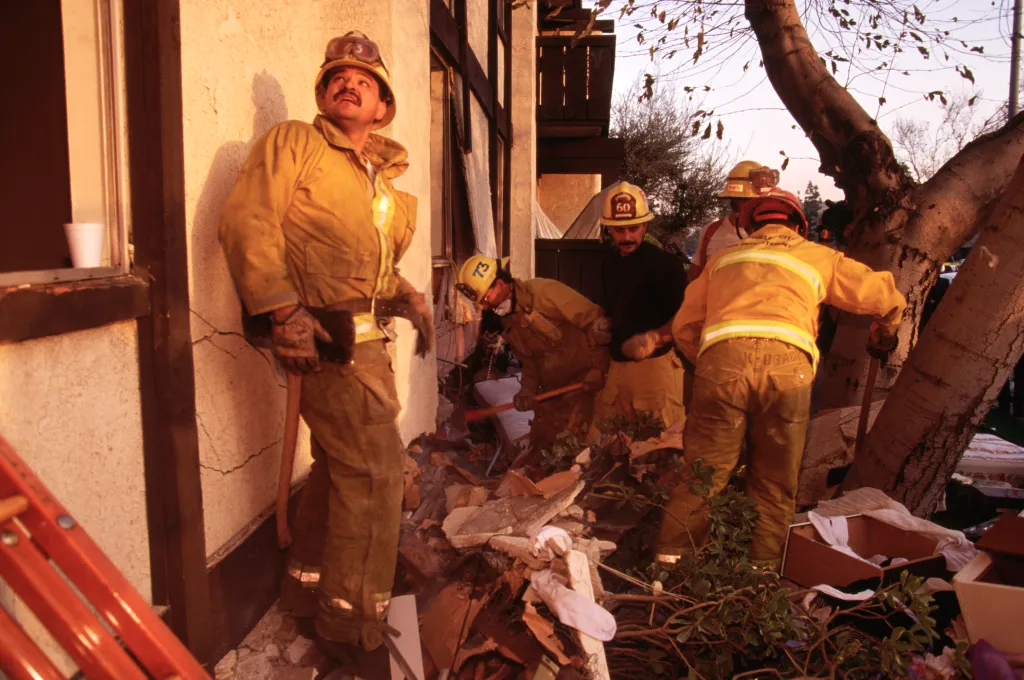
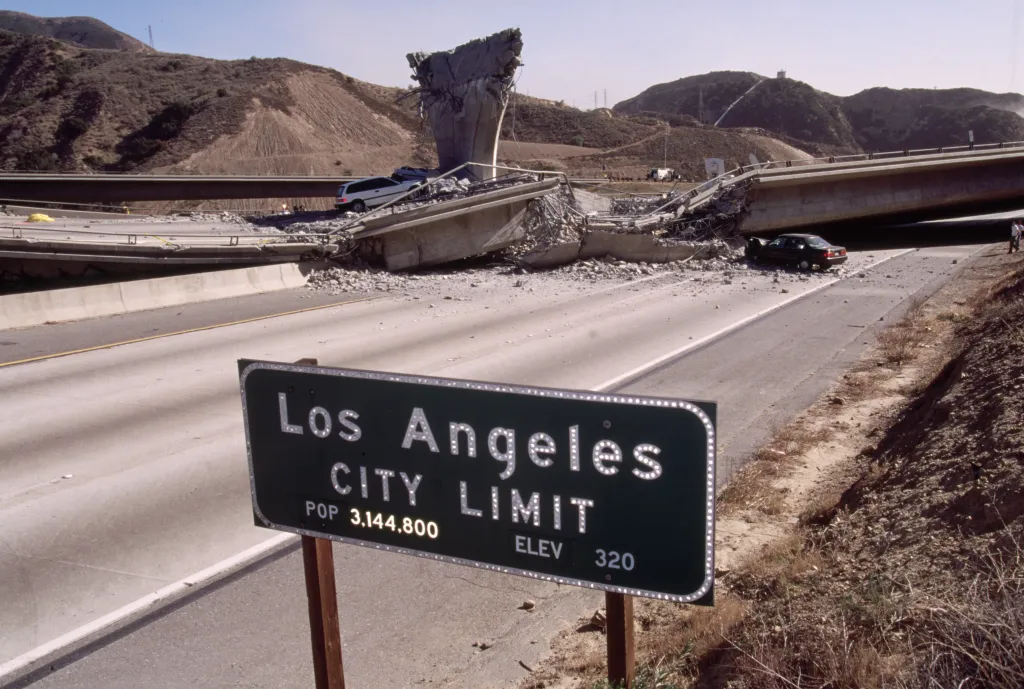
Just before dawn on Jan. 17, 1994, the magnitude 6.7 Northridge earthquake ripped through the San Fernando Valley.
The violent shaking killed 57 people, injured thousands, collapsed freeway overpasses, ignited fires, destroyed or severely damaged tens of thousands of homes and apartment buildings and caused more than $20 billion in insured losses, making it one of the costliest natural disasters in U.S. history.
Before Northridge, about 29% of California homeowners carried earthquake insurance, according to the Insurance Information Institute, with policies averaged roughly $400 a year.
But insurance companies paid out more in Northridge claims than they had collected in earthquake premiums over the previous 80 years, so many stopped writing new homeowners policies in California althogether.
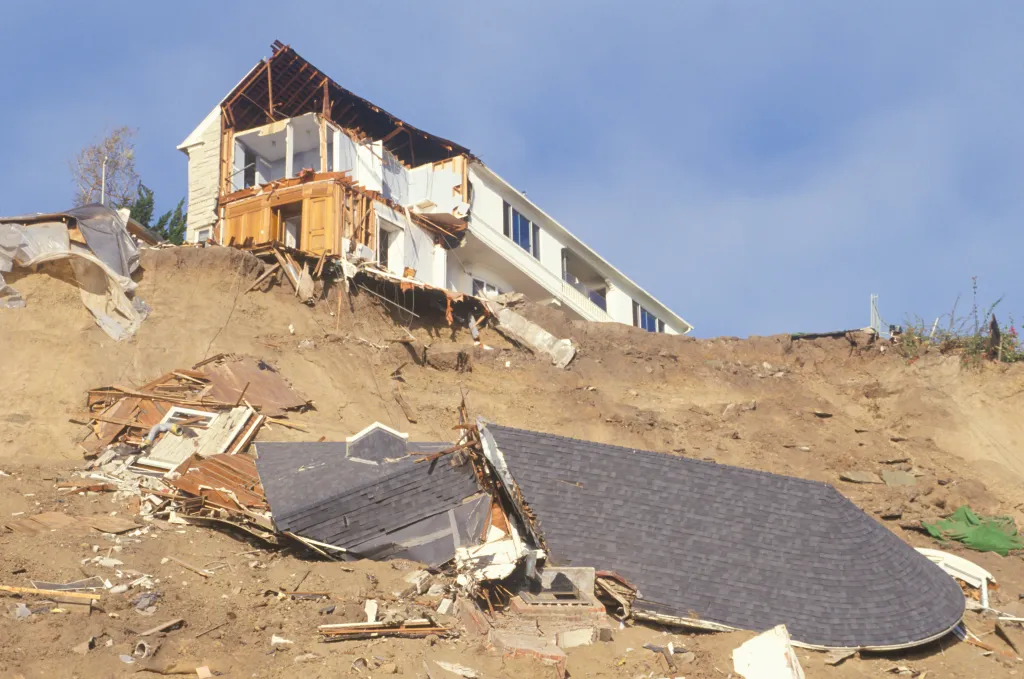
The crisis threatened California’s housing market until lawmakers created the California Earthquake Authority in 1996 to absorb much of the financial risk and stabilize the market.
Today’s policies rely on risk-based pricing, producing significantly higher premiums and much larger deductibles than homeowners faced before Northridge.
But, according to the Insurance Information Institute, fewer than 10% of California homeowners currently have earthquake insurance.
For Matt Epstein, that statistic is hard to understand.
Epstein joined the Sherman Oaks Homeowners Association in the aftermath of the 1994 Northridge earthquake, serving as vice president for 28 years before becoming president five years ago.

He had two homes damaged during the quake, including a 1929 Spanish-style home that was knocked off its foundation.
His insurer, State Farm, covered roughly $300,000 in repairs, lifting the home back on to its foundation and reinforcing it.
“They were fantastic,” Epstein told The Post. The experience convinced him earthquake insurance was one expense he could never afford to skip.
“I’d be stupid not to have it,” he said.