Welcome back to “The Media Front.” I’m A.J. Katz, formerly of MS NOW and Adweek’s TVNewser, and I’m excited to be taking the reins of TheWrap’s weekly media newsletter. Each Sunday, I’ll bring you the stories, trends and conversations shaping the business of television, streaming, journalism and digital media — along with original reporting from my colleagues at TheWrap and why it all matters.
Let’s dive right in.
As the 2026 FIFA World Cup approaches its conclusion, one of the tournament’s biggest winners isn’t a national team — it’s Telemundo.
The NBCUniversal-owned Spanish language network has delivered record audiences across linear television, Peacock and digital platforms, turning soccer’s biggest global event into a showcase for Telemundo’s growing influence in the U.S. media business. But focusing solely on Nielsen ratings misses the larger story unfolding.
This World Cup has underscored how U.S. Hispanic audiences have evolved from an important demographic into one of the industry’s most consequential growth engines. That shift is changing how advertisers, networks and streaming platforms think about sports rights, audience strategy and the future of television itself.
For years, Spanish language TV was treated as a complementary or even niche media buy. That thinking has finally started to evolve, and this tournament may prove to be one of the clearest demonstrations yet of why.
Telemundo entered the World Cup with momentum, and it exits with something more valuable: evidence that Spanish language media can deliver massive, engaged audiences across linear and streaming all at once. In an era when TV executives spend much of their time discussing audience fragmentation, the World Cup has shown that shared viewing experiences still exist—and Hispanic audiences are increasingly at the center.
Another notable takeaway is that Telemundo’s audience isn’t limited to Spanish speakers. More English-speaking viewers have embraced the network’s broadcasts this tournament, drawn by the energy of the presentation (think: Andrés Cantor’s legendary “GOOOOAL” call) and the style of the coverage. This has expanded the network’s reach beyond its traditional audience and challenged long-held assumptions about who really watches Spanish language television.
The tournament also shows how live sports continue to dominate broader media strategies. Every major network wants sports rights because they drive real-time viewing, significant advertising revenue and subscriber engagement. For NBCUniversal and Telemundo, the World Cup has done all three. It has strengthened Telemundo’s position in the media landscape, helped Peacock and reinforced the company’s multilingual sports strategy at a time when competition for high-profile sports rights has never been more fierce.
There seems to be an advertising lesson here as well. U.S. Hispanics represent one of the country’s fastest-growing audiences, and marketers increasingly view them as central—not supplemental—to national campaigns. The media companies that can reach those viewers in an authentic way stand to benefit well beyond a single FIFA World Cup.
The World Cup trophy will be awarded next weekend, but the business implications could linger long after the final whistle. For Telemundo, the 2026 FIFA World Cup wasn’t simply a ratings win. It was a statement about where the television business is likely heading.
Check out my full piece: The World Cup Is Cementing Telemundo as a Media Powerhouse
Follow me on social! And if you’d like this newsletter directed in your inbox every Sunday, check your WrapPRO subscription settings.
Trump Escalates His Fight With the Media
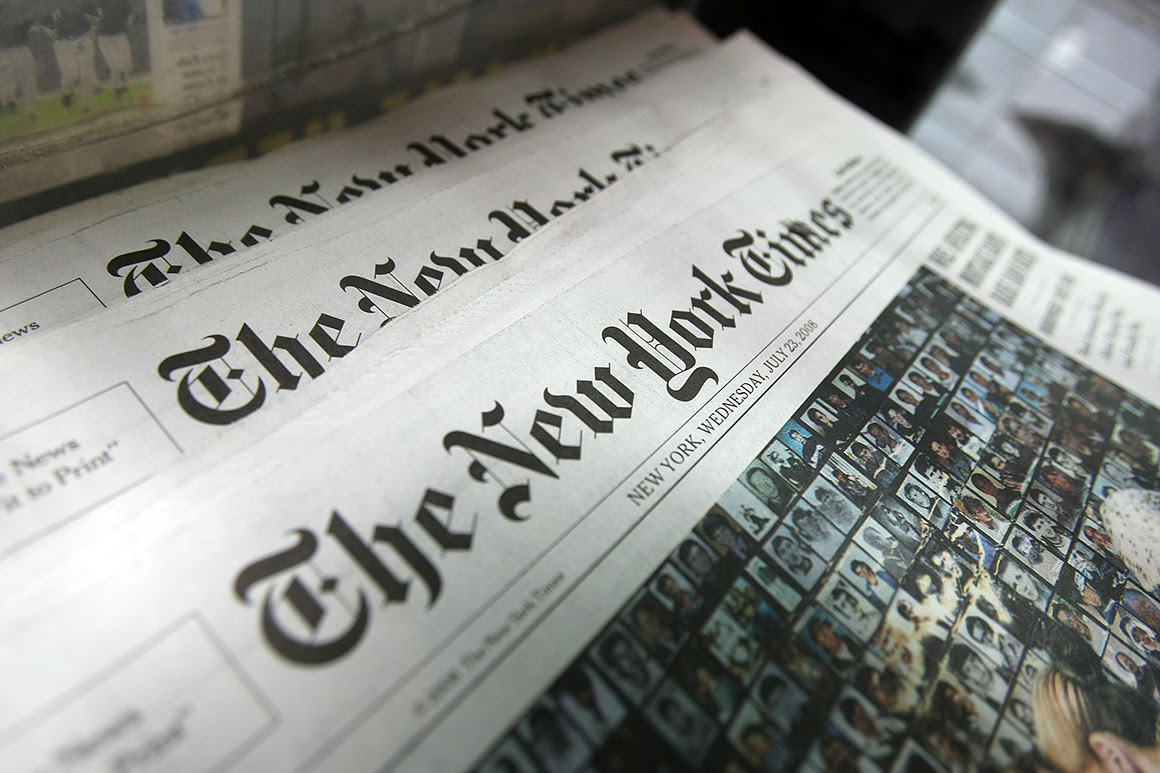
One of the week’s biggest media stories came Friday night, when the Trump administration subpoenaedfour New York Times reporters to testify before a federal grand jury over the newspaper’s reportingon security concerns involving President Trump’s Qatari-donated Air Force One. According to the Times, federal agents delivered subpoenas directly to reporters’ homes—a move the paper condemned as a blatant attempt to intimidate journalists.
This confrontation reaches beyond a single story. While investigations into leaks are not out of the ordinary when it comes to Washington, efforts to force reporters to testify are rare and inevitably reignite debates over the use of confidential sources, press freedom and the government’s ability to investigate national security disclosures without chilling newsgathering and freedom of speech more broadly. The episode also marks another escalation in the Trump administration’s increasingly combative relationship with the news media.
The Department of Justice said the reporters “are not the targets” of its investigation, which it said is focused on identifying the source of the leak. Regardless of how this legal battle unfolds, the subpoenas are likely to become a defining press-freedom story in the months ahead—and one that news organizations across the industry will be watching very closely.
Check out our coverage: Trump Admin Subpoenas New York Times Journalists for Reporting on Air Force One Security
CNN’s Future Becomes Biggest Question Hanging Over News Industry
Even with the World Cup dominating television screens, the week’s biggest television news business conversation centered on CNN and what the network could look like under new ownership once Paramount’s acquisition of Warner Bros. Discovery is finalized.
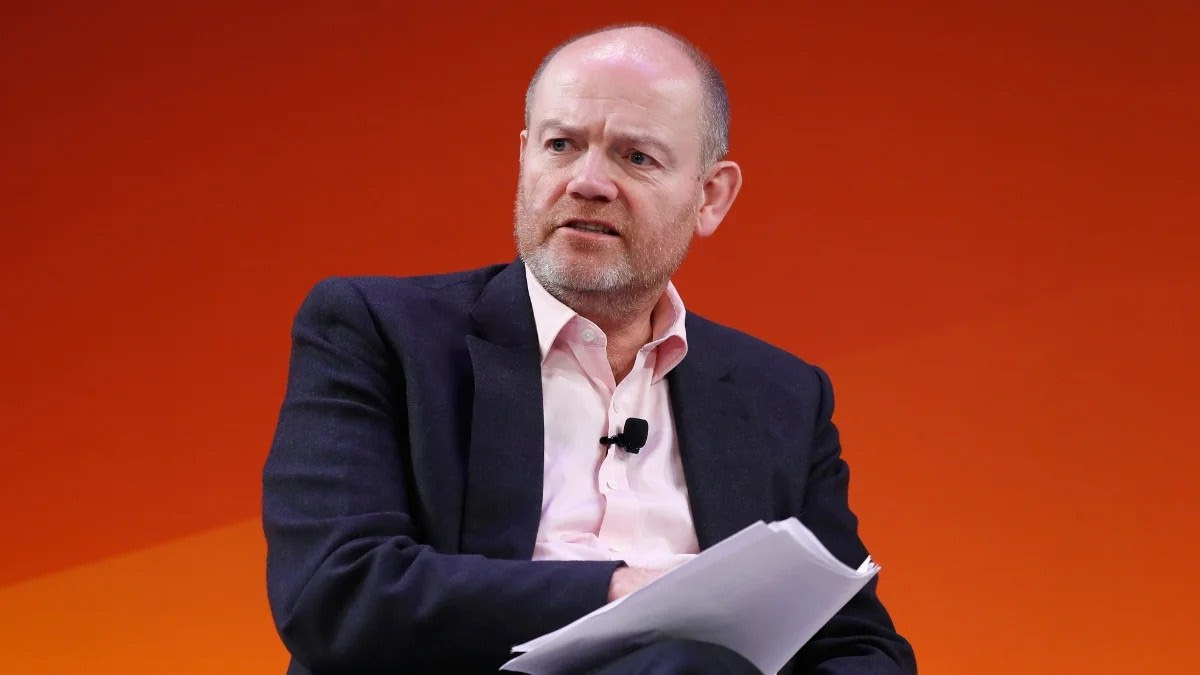
Reports that CNN CEO Mark Thompson privately warned against “messing” with the network underscored the uncertainty facing one of television’s most recognizable news brands. While company executives have publicly emphasized continuity, employees continue to speculate about possible programming changes, cost cuts and how CNN will fit into the broader Paramount portfolio.
Whatever ultimately happens, the episode is a reminder that media companies are still trying to balance two competing realities: preserving legacy news brands while adapting them for a streaming-first future. CNN’s next chapter will be one of the industry’s biggest stories for the rest of the year.
Read our piece: CNN CEO Mark Thompson Thinks ‘Messing’ With Network Would Be a Mistake
How the Graham Platner Story Became One About Journalism
As allegations against Maine Senate candidate Graham Platner continued to reshape the Democratic Senate race (and led to his formal withdrawal on Friday), another conversation emerged alongside the political fallout: how the news media covered the story. Questions about sourcing, timing, partisanship and editorial judgment became part of the news cycle itself, illustrating how journalism can become a subject of scrutiny along with the subjects that are covered.
A prime example came earlier this week when Platner accuser Lyndsey Fifield took to X to state she believes The New York Times’ earlier reporting contributed to Democratic leaders initially brushing aside her allegations. Fifield further argued that the Times’ characterization of its reporting influenced how her claims were perceived by the public, adding yet another layer to what was already a complex story.
The episode served as a reminder that major political stories don’t necessarily end with the initial headline. They can evolve through more reporting, competing narratives and accountability from the public — not only for politicians who are covered, but for the news organizations that cover them. This week, the conversation wasn’t just about the allegations against Graham Platner that would eventually lead to his demise. It was also about political journalism itself.
Check out my full piece: Graham Platner Accuser Says NYT Reporting Led to Initial Abuse Claims Not Being Taken Seriously: ‘By Design’
And check my video discussion with TheWrap Editor-in-Chief Sharon Waxman about this story.

Speaking of Waxman, she marked Independence Day with an insightful “WaxWord” piece examining the role of journalism at a time when trust in institutions continues to decline. Rather than focusing on the daily political back-and-forth, Waxman steps back to ask what a free press should owe its readers — and why it matters as much today as ever.
Waxman writes, “This administration’s assault on journalism is well documented. Less well examined is the broader picture of how our journalistic institutions are being eroded.” She goes on to argue that rebuilding trust begins not with louder opinions, but with rigorous, fact-based reporting that appropriately serves the public.
It’s a fitting read for the July 4th holiday, America’s 250th anniversary—and a reminder that amid the firehose of headlines we encounter each day, journalism’s most important responsibility remains the same: to gather the facts, to hold those in power to account and earn trust every day.
Waxman’s full piece: Happy Independence: Why News-Gathering Matters in an Era of Low Trust