

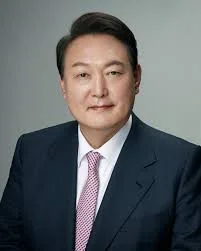
Former South Korean President, Yoon Yeol, has been convicted of making false statements during his 2022 presidential election campaign, receiving an 18-month prison sentence suspended for three years in a ruling he has appealed.
Yeol’s lawyers rejected the verdict, arguing that the Seoul Central District Court misinterpreted both the facts of the case and South Korea’s election law.
The conservative People Power Party (PPP) also maintained that the legal process remains incomplete, insisting that the conviction will only become final after the country’s Supreme Court delivers its judgment.
If the conviction is upheld on appeal, the consequences could extend beyond Yoon personally and deal a significant financial blow to the People Power Party.
Under South Korean election laws, the party could be required to repay approximately 40 billion won (about $27 million) in campaign expenses reimbursed by the government following Yoon’s narrow presidential victory over the current liberal President, Lee Jae Myung, in the 2022 election.
South Korean law provides public reimbursement for campaign expenses incurred by candidates who secure more than 15 per cent of the valid votes cast in a presidential election.
However, the law also stipulates that such funds must be returned if the successful candidate is ultimately convicted of violating election laws and receives a penalty of at least a 1 million won (about $680) fine or a more severe sentence, including a suspended prison term.
Delivering the judgment on Monday, the Seoul Central District Court sentenced Yoon to 18 months’ imprisonment, suspended for three years, after finding that he made false statements during the presidential campaign that may have influenced voters’ “fair judgment” of the candidates.
Although the suspended sentence means Yoon will not be imprisoned unless he commits another offence during the suspension period, the conviction carries serious legal and political implications if it survives the appeals process.
Yoon remained silent throughout the proceedings, listening quietly as the chief judge read out the verdict and leaving the courtroom without making any public statement. His legal team immediately filed an appeal, insisting that the ruling was based on an erroneous interpretation of the evidence and applicable election laws.
Reacting to the judgment, People Power Party spokesperson Park Sung-hoon reiterated that the case remains before the courts and urged the public not to regard the verdict as final. He stressed that the Supreme Court’s eventual decision would determine both Yoon’s legal fate and whether the party would be compelled to refund the billions of won it received in government election reimbursements.
The conviction marks another major legal setback for Yoon, who was removed from office last year following the political fallout from his brief imposition of martial law. While the latest case is unrelated to his impeachment, it adds to the mounting legal challenges confronting the former president and threatens to deepen the political and financial difficulties facing South Korea’s main conservative party.