


It took less than a year between the first reports of COVID-19 and the release of a vaccine. The plague, a viral disease so deadly, actually has two really cool names—the plague and, of course, the Black Death—killed an estimated 75 to 200 million people in the mid-1300s. Despite this, we still don’t have an FDA-approved vaccine for it. Kind of weird, considering it never went away. As recently as June 2026, a woman in New Mexico died after contracting it. But now, that might finally be changing.
According to studies published in Science Translational Medicine, researchers have developed two experimental plague vaccines that achieved 100 percent protection against pneumonic plague in mice, the deadliest form of the disease.
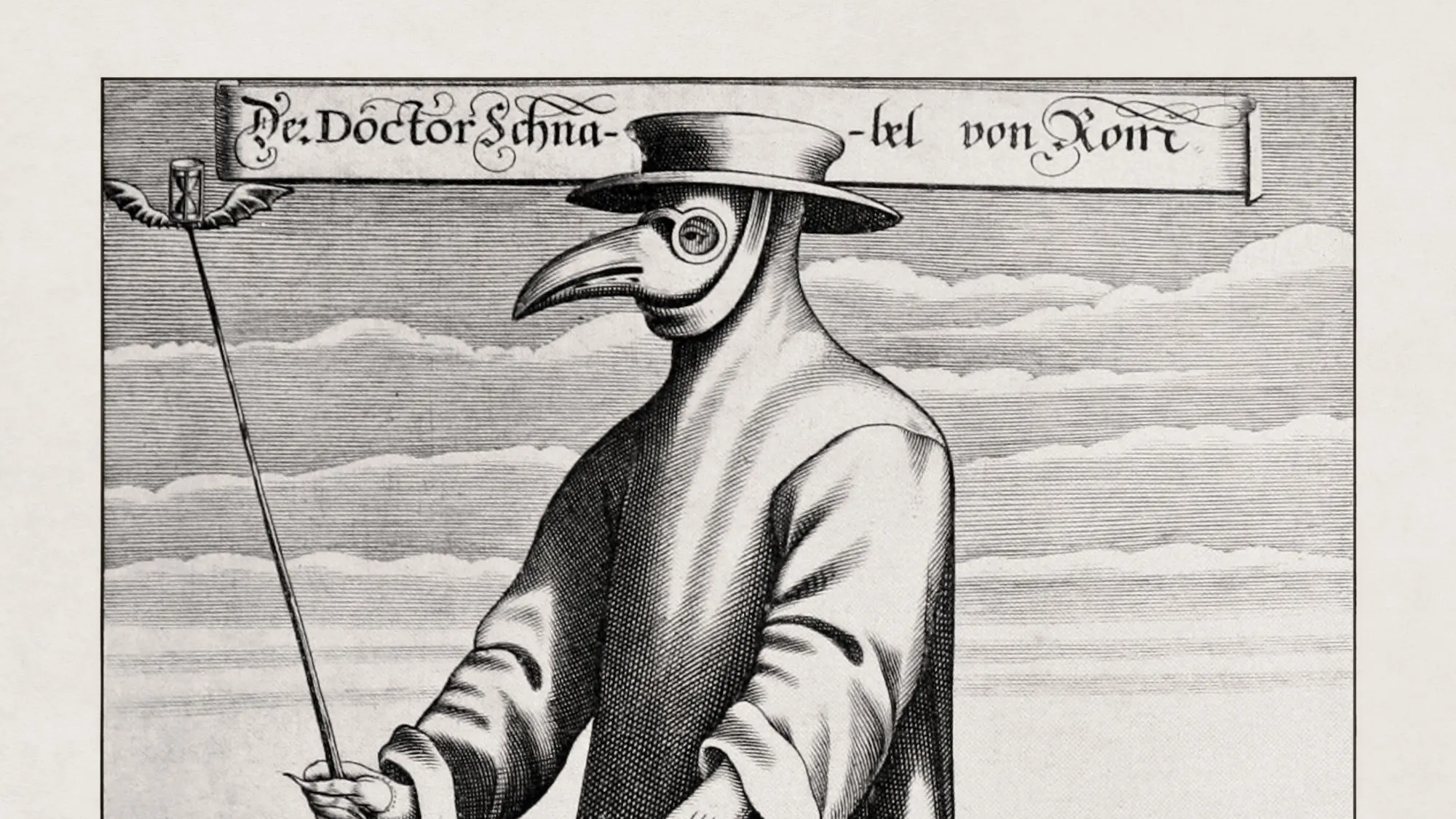
When you hear plague, you think of filthy European streets, and rats, and those spooky doctors who looked like giant S&M pigeons. What you don’t imagine is Yersinia pestis, the bacterium behind the Black Death, continuing to infect a few hundred to a few thousand people around the world every year. Like Limp Bizkit, the plague might not be as popular as it once was, but it’s still out there touring. Also like Limp Bizkit, if left untreated, it can kill within just a few days.
A New Vaccine Could Help Fight the Plague, Which Somehow Still Exists
If a disease can kill, it should have a viable and reliable vaccine. Researchers at the University of Texas Medical Branch created two vaccines called LMA and LMP. They combined a traditional injection with a nasal spray. First, they used the injection to teach the immune system what the enemy looks like, then they stationed immune cells where the bacteria are most likely to invade—the lungs and nasal passages—with the nasal spray.
It’s safe to say that the results were pretty good. Maybe even very good. Every vaccinated mouse survived an otherwise lethal plague infection. Even after the researchers hit many of them with a second bacterial dose 10,000 times higher than what is normally fatal, their protections held strong.
These are just mouse studies, of course, and to truly prove their worth, the vaccines need to work in nonhuman primates and then eventually in human clinical trials. But for now, it’s looking like we might have finally developed a worthwhile adversary for one of history’s most notorious bacterial killers.