

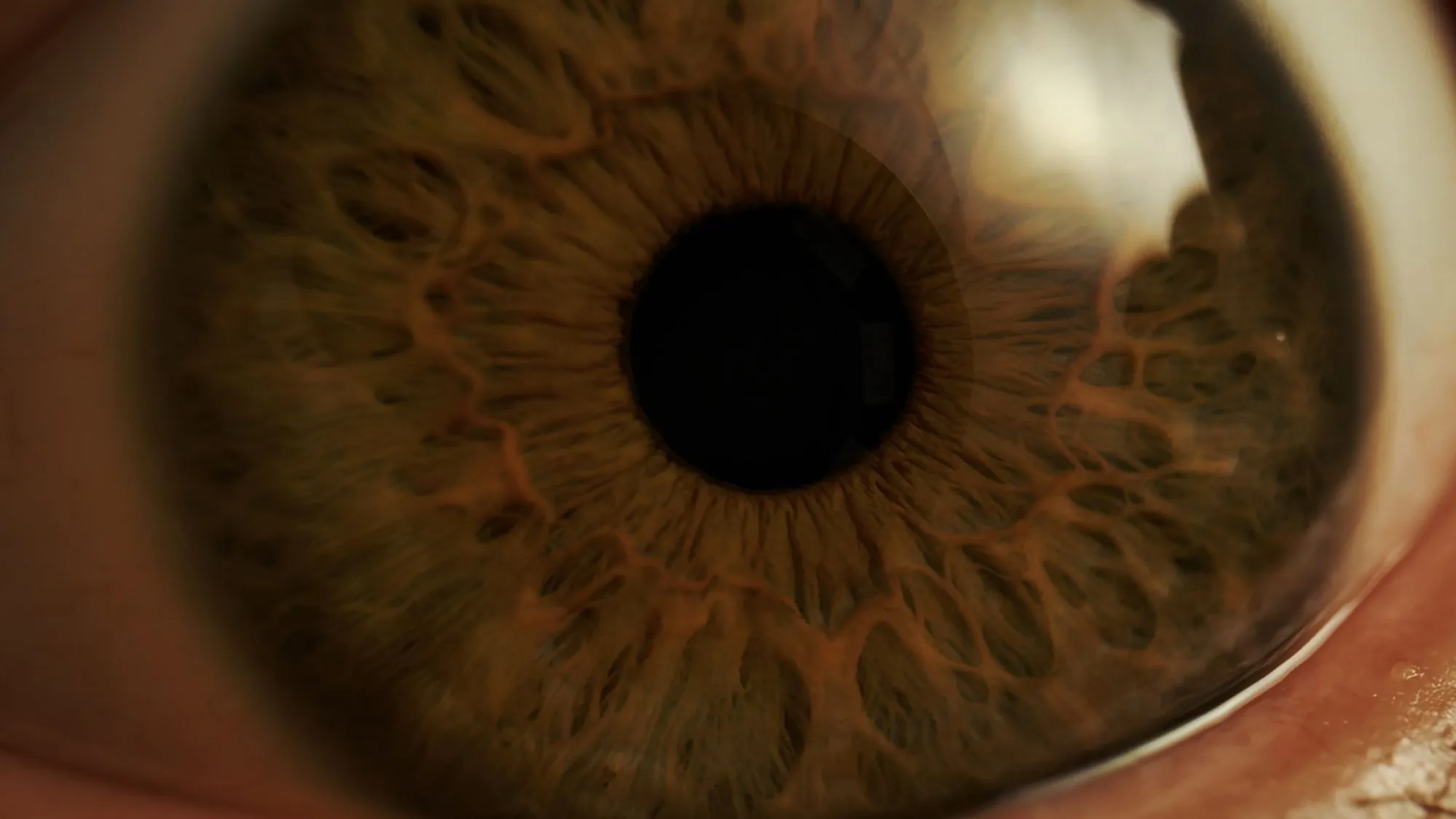
We may never be able to revive the dead, but a 3D-printed box may be able to keep eyeballs alive after the bodies they usually call home have shuffled off this mortal coil, opening the door to eye transplants harvested from cadavers.
According to a new preprint study published on bioRxiv, researchers in Spain have developed a device that extends the lifespan of eyes removed from dead bodies, bringing the world of medicine one step closer to a fully functional whole-eye transplant.
Called the Eye-in-a-Care-Box, or ECaBox, the device pumps an oxygen-rich solution through an eye’s main artery, replicating the way blood normally flows. A sealed chamber controls temperature and pressure while a viewing window lets researchers keep tabs on the eye in real time.
The most difficult part of an eye transplantation is the retina, which starts to deteriorate almost immediately after losing its blood supply. Once it’s gone, the eye loses its ability to respond to light and effectively becomes useless.
Scientists Found a Way to Preserve Eyes After Death, but Restoring Vision Is Still the Hard Part
The ECaBox seems to have made big strides in solving that problem. In experiments using pig eyes, researchers found the treated eyes were significantly healthier after 24 hours than the untreated eyes. Even more impressive is that 15 of 36 perfused eyes continued to produce electrical responses to light for up to 10 hours after death. When the oxygenated flow stopped, those signals faded. The researchers said this means the device was keeping retinal tissue alive.
There are many pigs out there that will need replacement eyes, so the team also tested the device with 12 human donor eyes. They didn’t measure whether those eyes still responded to light, but the perfused eyes overall showed much better preservation than the untreated ones.
That’s all well and good and a big step forward, but a successful whole-eye transplant is still a long way away. Just a couple of years ago, a surgeon at NYU Langone performed the world’s first eye-and-face transplant, restoring blood flow to a donated eye but not vision. That still remains the elusive goal because even if this 3D-printed wonder box can preserve the retina, there’s still the challenge of reconnecting the optic nerve to the brain.