

The changing dynamics of South Africa’s relationship with the rest of Africa, amid growing concerns over xenophobia, migration, economic cooperation and the future of Pan-Africanism, will come under intense scrutiny at a major continental roundtable being organised by the League of National Columnists (LNC).
Themed “From Mayibuye iAfrika to Abahambe!: South Africa and Other African Countries – Reflections on the Trajectory of a Relationship,” the event is expected to bring together scholars, journalists, diplomats, policymakers and Pan-African advocates to examine how relations between South Africa and fellow African nations have evolved since the end of apartheid.
The choice of theme reflects what many observers describe as one of Africa’s most compelling paradoxes. During the anti-apartheid struggle, virtually every African country, alongside the Organisation of African Unity (OAU), now the African Union (AU), rallied behind South Africa’s liberation movements. Countries such as Nigeria, Zambia, Tanzania, Angola, Zimbabwe, Mozambique and others provided financial assistance, military training, diplomatic support and safe havens for exiled activists of the African National Congress (ANC) and other liberation movements.
Nigeria, in particular, earned international recognition as the “Frontline State without Borders” after contributing millions of dollars to the anti-apartheid campaign, awarding scholarships to South African students, imposing sanctions on the apartheid regime and creating the Southern African Relief Fund, to which millions of Nigerians voluntarily donated. The rallying cry “Mayibuye iAfrika” (“Let Africa Return” or “Africa Shall Return”) became a powerful symbol of the struggle for liberation and continental solidarity.
With the collapse of apartheid in 1994 and the election of Nelson Mandela as South Africa’s first democratically elected Black President, many Africans believed a new era of continental unity had begun. South Africa quickly emerged as one of Africa’s largest economies, playing leading roles in the African Union, the Southern African Development Community (SADC), the New Partnership for Africa’s Development (NEPAD), and later the BRICS grouping.
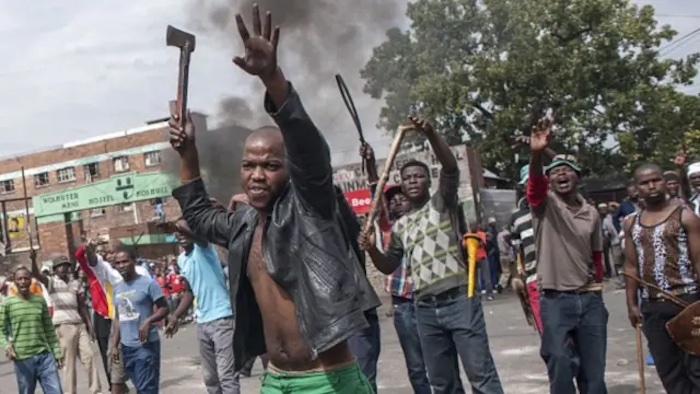
However, hopes of an enduring Pan-African partnership have been repeatedly shaken by waves of xenophobic violence targeting African migrants. Since 2008, attacks against foreign nationals—particularly Nigerians, Zimbabweans, Mozambicans, Somalis, Ethiopians and other African communities—have resulted in deaths, injuries, destruction of businesses and diplomatic tensions across the continent.
The phrase “Abahambe!”, a Zulu expression meaning “Let them leave,” has increasingly come to symbolise hostility towards foreign Africans in some sections of South African society. The slogan gained wider prominence through anti-immigration campaigns, reflecting frustrations over unemployment, crime and economic inequality, although successive South African governments have consistently condemned xenophobic attacks and pledged to protect all residents regardless of nationality.
Against this backdrop, the LNC roundtable seeks to examine how relations between South Africa and the rest of Africa have shifted from the solidarity of the liberation era to today’s often strained engagement. Participants will assess whether the ideals that united the continent against apartheid are being undermined by nationalism, economic hardship and migration pressures.
The dialogue is expected to bring together academics, journalists, diplomats, civil society leaders and policymakers to explore issues including migration governance, regional diplomacy, economic integration, youth mobility, media narratives and the implementation of the African Continental Free Trade Area (AfCFTA). Discussions will also focus on practical ways to strengthen African solidarity, promote peaceful coexistence and deepen regional cooperation.
The timing of the forum is significant. Across the continent, African leaders are pushing for greater economic integration under Agenda 2063, the operationalisation of the AfCFTA and the Protocol on the Free Movement of Persons. Yet recurring tensions over migration, border management and labour mobility continue to expose the challenges facing Africa’s integration agenda.
Analysts say the roundtable presents an opportunity for honest reflection on whether South Africa and the rest of the continent can rebuild the trust forged during the liberation struggle and redefine their relationship for a new generation. They argue that as Africa confronts rising youth unemployment, security threats, climate challenges and shifting global geopolitics, renewed Pan-African solidarity has become more critical than at any time since the end of apartheid.
For many, the journey from “Mayibuye iAfrika” to “Abahambe!” is more than a change in political slogans—it is a reflection of Africa’s unfinished struggle to translate the ideals of liberation into lasting unity, shared prosperity and collective progress.
Michael Olugbode
Follow us on: