

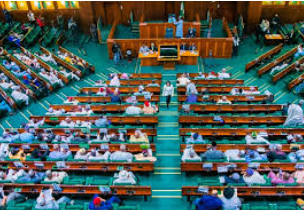
Proceedings in the House of Representatives were disrupted on Wednesday as opposition lawmakers staged a walkout during the clause-by-clause consideration of the constitutional amendment bill seeking to establish state police.
The lawmakers exited the Green Chamber after protesting what they described as procedural irregularities in the handling of the bill, which seeks to amend the 1999 Constitution to move policing from the Exclusive Legislative List to the Concurrent Legislative List.
The proposed amendment is aimed at creating a dual policing system that would allow state governments to establish and operate their own police forces alongside the Nigeria Police Force as part of efforts to address growing security challenges across the country.
The disagreement began when opposition members raised points of order, alleging that due parliamentary procedures were not being followed during the consideration of the bill. They argued that certain committee review processes and voting procedures were being bypassed.
After their objections were overruled by the presiding officer, the opposition lawmakers walked out of the chamber, declining to participate in the remainder of the legislative exercise.
Speaking on behalf of the protesting lawmakers, members of the opposition accused the House leadership of disregarding the chamber’s standing orders on a constitutional amendment.
“We cannot sit by and validate a process that disregards our standing orders and circumvents established parliamentary procedures on a matter as sensitive as constitutional alteration,” the lawmakers said.
Despite the walkout, proceedings continued, with lawmakers who remained in the chamber maintaining that the House had met the constitutional quorum required to continue legislative business.
The state police bill is one of the major constitutional reforms before the National Assembly. Supporters argue that decentralising policing will improve intelligence gathering and enhance responses to local security threats, while critics have expressed concerns over possible political interference, abuse of power by state governors, funding, and operational oversight.
If passed by the House of Representatives, the bill must also secure a two-thirds majority in the Senate before being transmitted to the 36 State Houses of Assembly. At least 24 state legislatures must approve the amendment before it can be forwarded to the President for assent.
The minority caucus is expected to brief journalists on its objections and outline its next steps regarding the consideration of the legislation.