

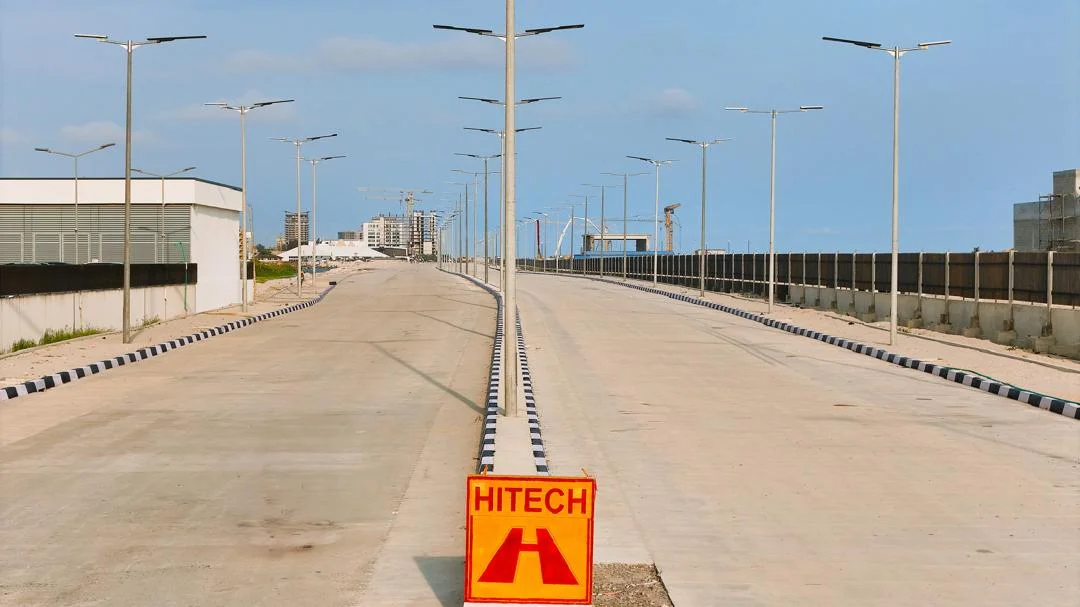
The Lagos State House of Assembly has approved automated road-cleaning operations on Section 1 of the Lagos–Calabar Coastal Highway, directing that the initiative be implemented without displacing existing manual sweepers who depend on the work for their livelihoods.
The approval followed the adoption of the report of the House Ad Hoc Committee, chaired by Sa’ad Olumohon a request for an Irrevocable Standing Payment Order (ISPO) in favour of BlueCap Technology Limited, the firm engaged to execute the mechanised sweeping project on the highway.
During plenary on Thursday, the lawmakers unanimously endorsed the introduction of mechanised sweeping, describing it as a necessary step toward improving environmental sanitation, enhancing road safety and aligning Lagos with global best practices in highway maintenance.
They noted that the use of modern road-sweeping equipment would improve operational efficiency and help maintain the expanding transport infrastructure across the state.
The legislators, however, maintained that the adoption of technology should not come at the expense of workers currently engaged in manual road sweeping.
They urged the state government to ensure that the mechanised system complements, rather than replaces, the existing workforce, particularly those whose livelihoods depend on the programme.
Speaker of the House, Mudashiru Obasa, said while the Assembly fully supports innovation and the deployment of modern equipment to improve public services, government must also consider the social and economic consequences of eliminating manual sweeping jobs.
Obasa observed that many of the women employed as road sweepers rely on the work as their primary source of income, warning that a complete transition to mechanised operations could adversely affect hundreds of households if adequate safeguards are not put in place.
He stressed that the Assembly’s position was not an opposition to mechanisation but a call for a balanced implementation that promotes efficiency while protecting employment.
According to him, technological advancement should be pursued alongside policies that preserve jobs, improve workers’ welfare and ensure inclusive economic development