

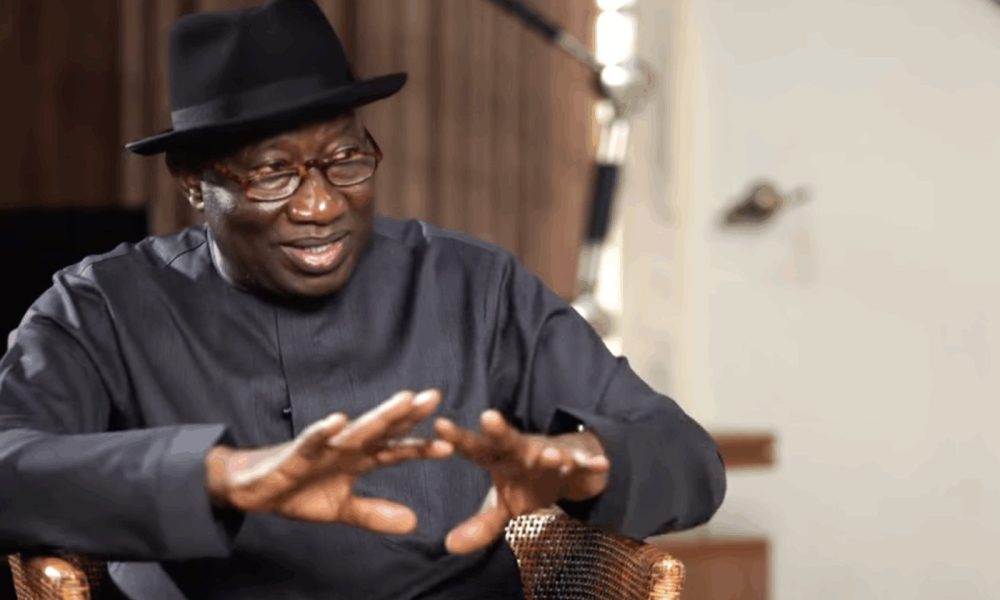
Former President Goodluck Jonathan has dismissed as false reports claiming he was offered N500 billion to contest the 2027 presidential election against Peter Obi in a bid to split votes in Nigeria’s South-South region.
Jonathan, through his Special Adviser on Media, Ikechukwu Eze, described the allegation as baseless, fabricated and a deliberate attempt to drag the former president into unnecessary political controversy ahead of the next general election.
In a statement issued on Sunday, Eze said the report alleging that Jonathan disclosed receiving an offer of N500 billion to challenge Obi in the 2027 presidential race was entirely false and unsupported by any credible evidence.
According to him, the publication failed to provide essential details expected of a genuine news report, including when and where Jonathan allegedly made the statement, who purportedly offered the money, or the identities of any witnesses who could corroborate the claim.
READ ALSO: Jonathan’s silence fuels speculation over 2027 presidency ambition
He said the report bore all the hallmarks of fabricated news intended to mislead the public, fuel political speculation and heighten tensions as political activities gradually gather momentum ahead of the 2027 elections.
“Jonathan was never involved in any ‘N500 billion offer to divide the South’s votes against Peter Obi in the 2027 general elections,’” Eze stated.
He urged Nigerians to disregard the report entirely and exercise caution by verifying sensational political claims before sharing them on social media or other platforms.
The former president’s spokesman also warned that election seasons often witness a surge in misinformation, fabricated stories and false attributions involving prominent political figures.
He stressed that such reports should not be accepted as verified facts without credible evidence.
Eze further maintained that Jonathan has not made any statement suggesting he was offered money to contest the presidency or to undermine the electoral prospects of any candidate.
The clarification comes amid increasing political speculation and public discourse ahead of the 2027 general elections, as political actors and parties begin positioning themselves for the next electoral cycle.