

There will be fireworks and fanfare on one side of the Atlantic, as the United States celebrates the anniversary of its birth. On the other side, not so much.
In Britain, the 250th anniversary of American Independence was mostly just another day, though it did not pass entirely without recognition.
Museums and art galleries in Britain ran special tours and exhibitions. A war museum in England added a Fourth of July twist to its summer air show.
The American Embassy in London, naturally, hosted a party a few days before and lit up its building with lights of red, white and blue. Some pubs and venues planned Independence Day events aimed at Americans living in Britain.
Still, it did not stand out much from other weekends in the summer calendar, and occupied a far inferior spot in the public imagination to the English soccer team’s prospects at its next World Cup match on Sunday.
In London, the streets were being blocked off for a different celebration, the Pride parade.
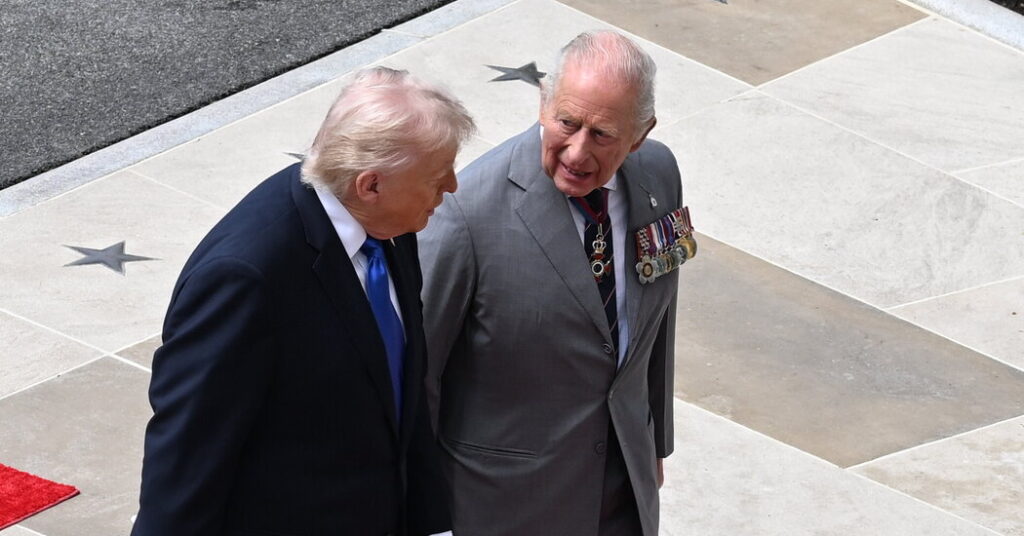
King Charles III, a direct descendant of King George III, the monarch so momentously rejected by the American founders, marked the day with congratulations.
“This year marks a truly historic milestone and a moment of great celebration for Americans everywhere,” he said in a message addressed to President Trump.
His message spoke of an “extraordinary evolution” in Britain’s relationship with its former colonies, “from overcoming conflict to forging one of the closest and most productive alliances the world has seen.”
He emphasized the “enduring bond” between the nations, which he said was based on “friendship, trust and a belief in liberty, the rule of law and the dignity of all people.”
The British Embassy in Washington took a more direct approach.
The embassy, as a joke, reimagined the events of 1776 as a series of texts in which lines from the Declaration of Independence were met with: “Are you breaking up with us?”
“The greatest ex we ever had,” the embassy said.