


“What’s your AI search strategy?” might not seem like a hot topic on the Cannes Lions party scene. But make no mistake — CMOs are looking to make sure their brands show up in AI search in the right way.
“This is actually one of the key focuses of our team right now,” American Eagle CMO Craig Brommers told me.
There’s a good reason. About half of US consumers are using AI-powered search to evaluate and discover brands, according to research published in October by McKinsey.
And what Gemini, ChatGPT, and other AI platforms recommend actually matters. A recent Similarweb study on ChatGPT use found that, on average, people were 2.5 times as likely to visit the recommended brand’s site as a competitor’s.
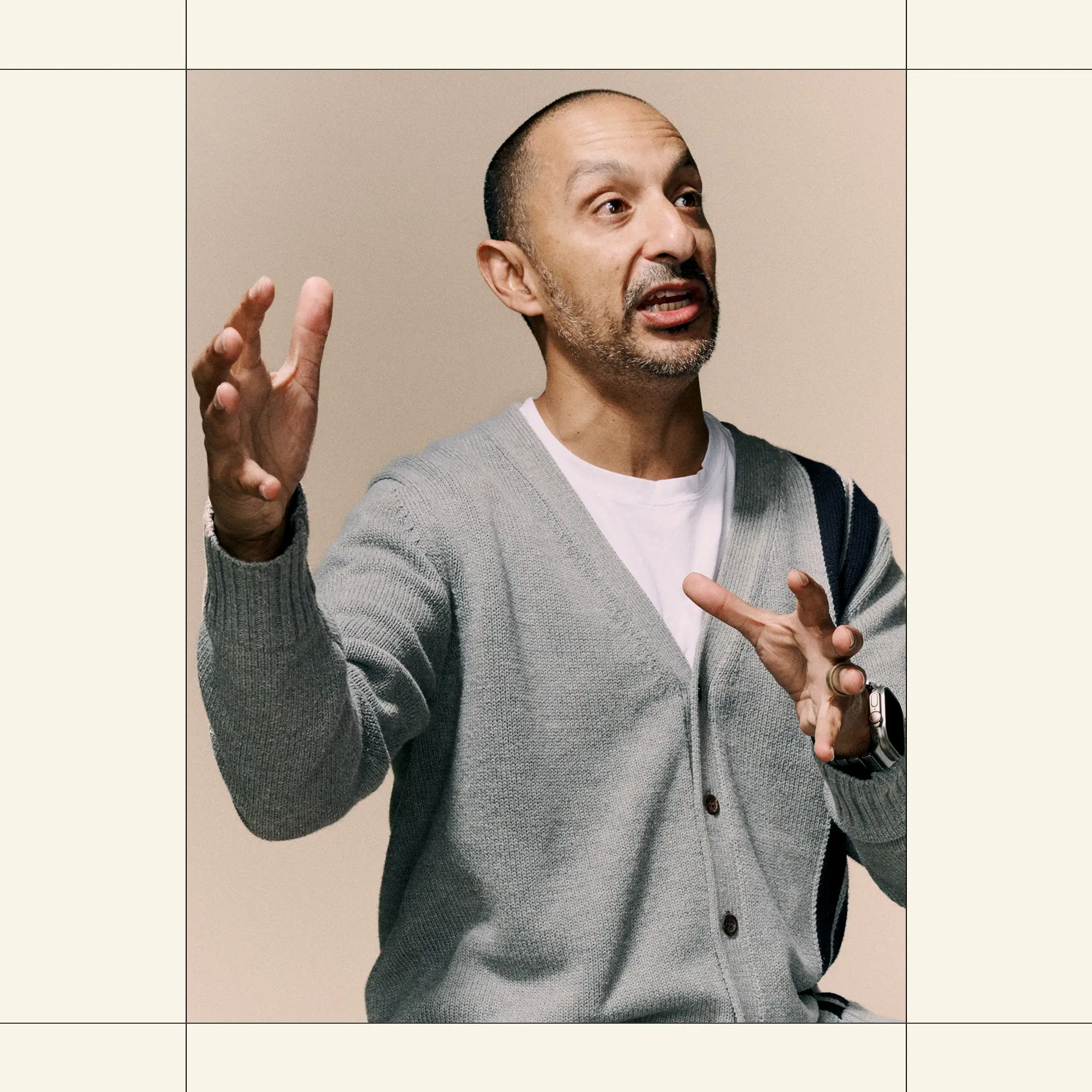
“Everyone’s talking right now” about going from traditional search to AI search, Chime’s Vineet Mehra said.

What top CMOs are doing
I asked a selection of Business Insider’s most innovative CMOs of 2026 how they’re honing their AI visibility strategies.
Some, like Brommers and Mehra, listed various startups they’re using to pump out LLM-friendly content and measure AI search visibility. Mehra leans on Profound and AirOps to measure visibility in these answer engines.
“You need your own content factory so that you can be constantly putting out really authentic content that the answer engines can pull from, and then surface it up when people ask questions,” Mehra said.
Brommers uses partners like Optiversal to write thousands of pieces for American Eagle’s site, as well as Reddit and blogs, so bots scraping e-commerce platforms can deliver when someone searches for, say, a pair of jeans for a date night in the city.
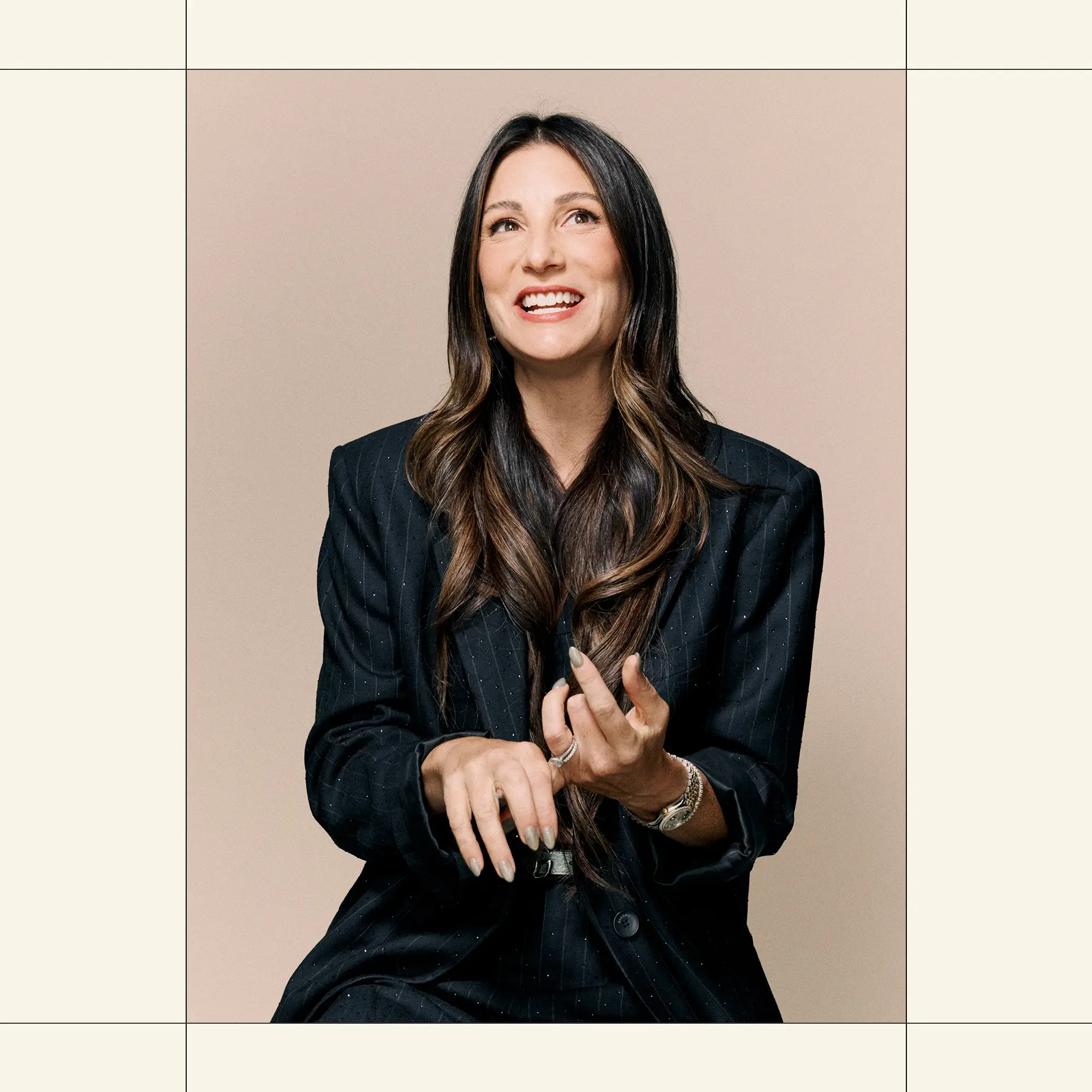
Top marketers like Bobbie’s Kim Chappell and Coach’s Joon Silverstein are also producing more content across Substack, YouTube, and their own websites for LLMs to draw on for their answers.
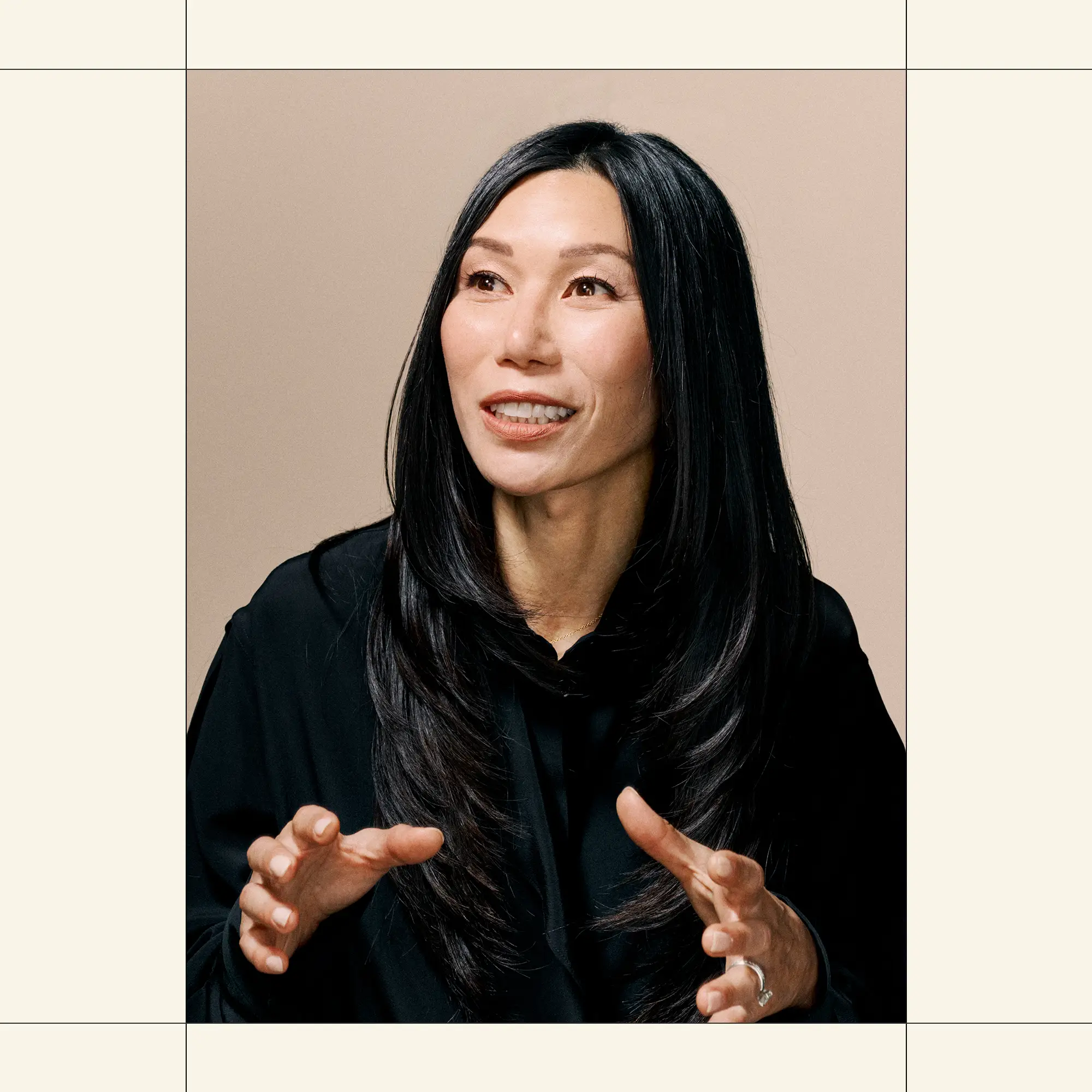
Silverstein said she spends hundreds of hours in people’s homes across cities like New York and London, as well as smaller cities, to understand consumers. She asks about their identities, hopes, and challenges. Those interviews have yielded insights that have helped Coach market to Gen Z and also learn what kinds of problems they might ask ChatGPT.
“One of the major shifts happening in the move from SEO to AEO is the specificity of consumers’ searches,” she said of search and answer engine optimization. “It’s not just based on keywords. The searches are extraordinarily specific, and the consumer is expecting answers for our brand.”
Fruitist’s Fadi Karam focuses on making sure the company’s website, the CEO’s public comments, and the brand’s social media posts emphasize what makes its berries special.
“When LLMs are looking for us, they see there is substance behind what we say,” Karam said.
There’s no silver bullet
A rash of newly funded vendors, pitching their services to brands, is ready to capitalize on the rise of AI search. The challenge is that the gains they promise may be short-lived, as Google and others adapt to stay ahead of brands’ tricks.
“Everyone’s looking for a silver bullet,” said Lily Ray, a VP of SEO and AI search at the SEO agency Amsive. “There have been several hacks that have worked well over the past year or two, but when it does, Google or OpenAI patch it up.”
AI platforms offer little transparency into how brands appear in responses. Also, user behavior is still taking shape. The new Similarweb report found, for example, that people heavily used AI search in the discovery phase but were just as likely to use traditional search when making a purchase.
People ask longer, more nuanced questions of AI than they do of traditional search, and models tailor their responses to each user.
All that makes it hard for brands to get a uniform picture of how they’re showing up in AI search, said Kevin Indig, who consults to companies like Airbnb on their growth strategies.
What the SEO pros advise
Indig advises a return to classic market research of the type Coach does — using interviews to learn about customers. The brand can then create prompts for the questions customers might have at different points throughout the shopping journey.
SEO pros also said brands should pay attention to how they show up in Reddit and YouTube, which are highly cited in AI results, while cautioning that it can be hard for brands to avoid the self-promotional spiel that’s unwelcome on Reddit.
Most of the CMOs cited Reddit as a priority.
“We’re definitely expanding the platforms that we’re showing up on,” Yahoo’s Josh Line said. “We’ve been adding things like YouTube, Reddit, podcasts, and our creator strategy is really evolving.”
Kim Chappell of baby formula company Bobbie has doubled down on YouTube, creating informative videos to answer the questions people are asking on social media.
“We used to do third-party product reviews,” she said. “Now, it’s more strategic. What are you asking this piece of content to do in ChatGPT? You have to reverse engineer that to emphasize telling parents what’s in the product, how it is made, and answering questions about formula in general.”
Ultimately, brands should make sure they’re well represented on their own site and all the places LLMs crawl — but there’s no substitute for being truly loved by consumers.
“At the end of the day, you have to be the best brand people are recommending,” Ray said.
Read the original article on Business Insider