

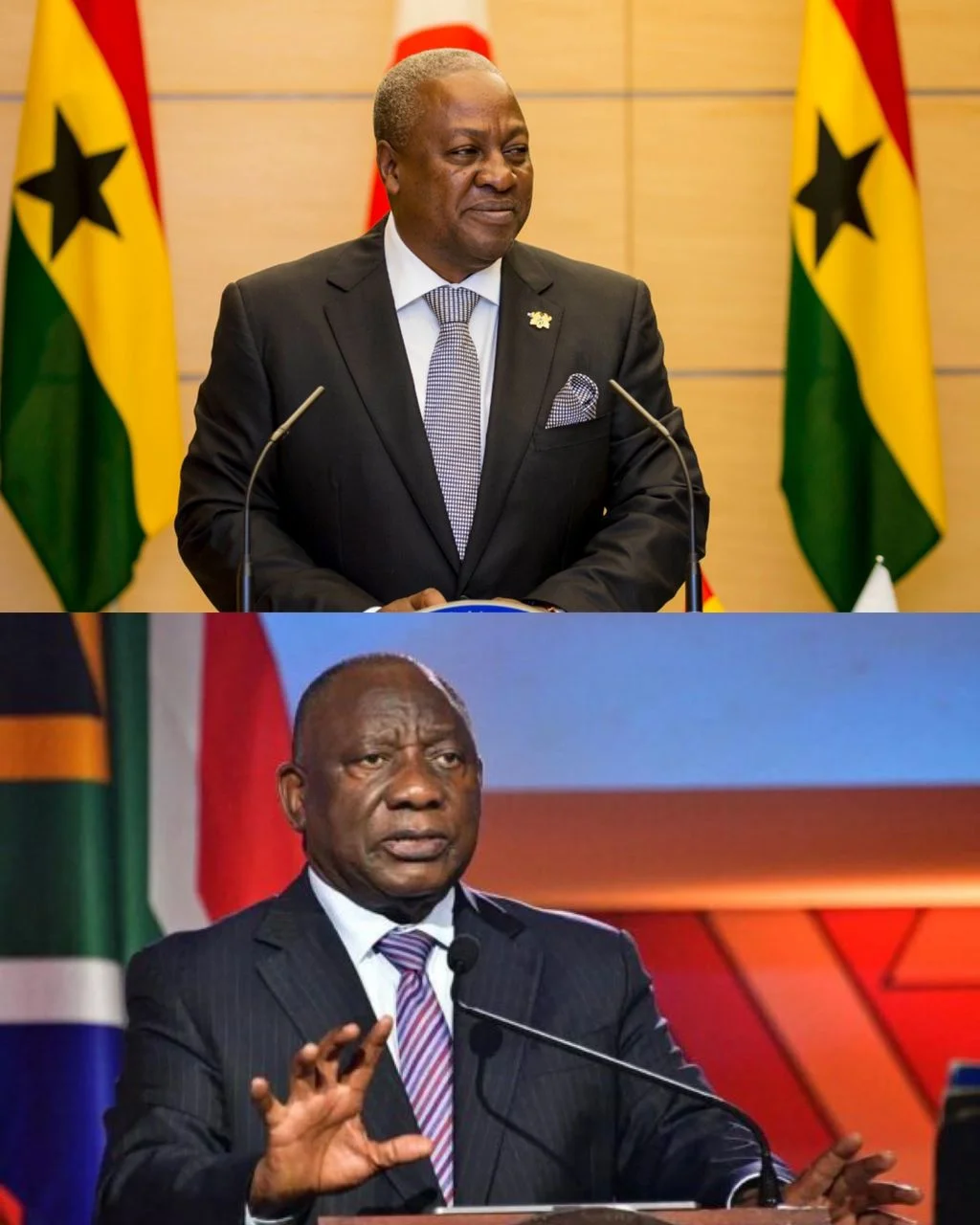
The Government of Ghana has declined a proposed state visit by South African President Cyril Ramaphosa following renewed concerns over attacks on Ghanaians and other African migrants in South Africa.
The decision follows the reported killing of a Ghanaian national, Bashiru Isak, during recent unrest in South Africa. Ghanaian authorities said the visit, which was expected to take place in early August, has been put on hold pending concrete assurances on the safety and security of Ghanaian citizens living in the country.
In a formal diplomatic response issued on Tuesday, the Ghanaian government expressed deep concern over what it described as recurring attacks on its nationals and urged South African authorities to take decisive measures to protect foreign nationals residing in the country.
The West Africa country stressed that ensuring the safety of Ghanaians abroad remains a top priority and that meaningful guarantees would be required before any high-level bilateral engagement could proceed.
The development has further strained diplomatic relations between the two countries, with reports indicating that several Ghanaians have since been repatriated from South Africa amid fears of renewed violence.
Ghana has also called on Pretoria to strengthen efforts to prevent further attacks and ensure those responsible are brought to justice.
South African authorities, however, have disputed claims that the killing of Bashiru Isak was motivated by xenophobia.
According to preliminary police investigations, the incident is believed to have been linked to an extortion-related crime rather than anti-immigrant violence.
President Ramaphosa’s administration has nevertheless reiterated its condemnation of attacks on foreign nationals, pledging to intensify efforts to curb xenophobic violence and ensure those responsible are prosecuted.
Despite those assurances, Ghana’s decision to postpone the proposed state visit reflects the country’s continuing concerns over the safety of its citizens in South Africa and highlights the broader challenge of xenophobia confronting the continent.