

The UN Climate Change Executive Secretary, Simon Stiell, has said the global shift to clean energy is no longer simply an environmental imperative, it is now central to peace, stability and national security.
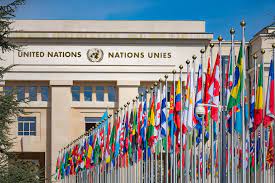
Speaking at the United Nations General Assembly’s Informal Interactive Dialogue on Accelerating the Global Energy Transition in New York, USA.
Stiell described the world as a place where geopolitical conflict, volatile fossil fuel markets, and climate‑driven disasters are converging to create unprecedented risks for billions of people. Clean energy, he argued, is the clearest path out of this crisis.
He highlighted how recent conflicts have “taken an appalling human toll and choked global energy markets,” driving up prices and exposing the fragility of fossil‑fuel‑dependent economies.
According to him, countries that invested early in renewables including Spain and Pakistan have been “shielded from some of the worst effects of today’s fossil fuel cost crisis.”
He linked energy insecurity directly to food insecurity, noting that climate‑supercharged El Niño impacts, fertiliser shortages, and economic downturns have combined to threaten harvests and push food prices higher worldwide.
“For vulnerable populations, he warned, “staring down the barrel of more scarcity, and desperate hunger.”
In his words: A fossil-fuelled world Is a world of instability
Stiell stressed that the dangers extend far beyond 2026. “A world addicted to coal, oil and gas is a world of economic uncertainty, unnecessary costs, and conflict,”.
He said pointing to Southeast Asia’s projected $160 billion energy import bill this year.
“As long as fossil fuels dominate global systems, Stiell emphasized that the planet will continue heating driving hunger, displacement, and resource scarcity, all of which “fuel conflict” and undermine peace.
Stiell highlighted that renewables are now cheaper, faster to deploy, and more accessible than ever. “They strengthen economies, reduce emissions, and build resilience making them, “the best conflict prevention tool we have.”
He noted that governments increasingly recognize climate as a security issue and the global energy transition is irreversible, as affirmed by all countries at COP30.
“The speed and fairness are essential: the transition must be faster, fairer, and just, ensuring benefits for all nations and support for communities historically reliant on fossil fuel revenues.
He also urged industries to act, citing the UN Secretary‑General’s call for every data centre to run on renewable energy by 2030, a challenge he said major AI companies must meet by “supercharging efficiencies.”