

Ford hit reset on its money-losing EV program. Now, the first product of that overhaul is coming into view.
The Detroit automaker says the midsize electric pickup will reach customers in 2027, with a target starting price of about $30,000.
There’s still plenty Ford hasn’t yet revealed about the vehicle. We don’t know the name, haven’t received official range estimates, and have only seen the truck wrapped in funky-looking camouflage.
But the automaker has disclosed enough to make clear that the pickup will be one of the most important tests of its next-generation product strategy.
Here is what we know:
Challenging the EV cost issue
Ford’s coming truck hopes to disrupt the age-old EV cost issue.
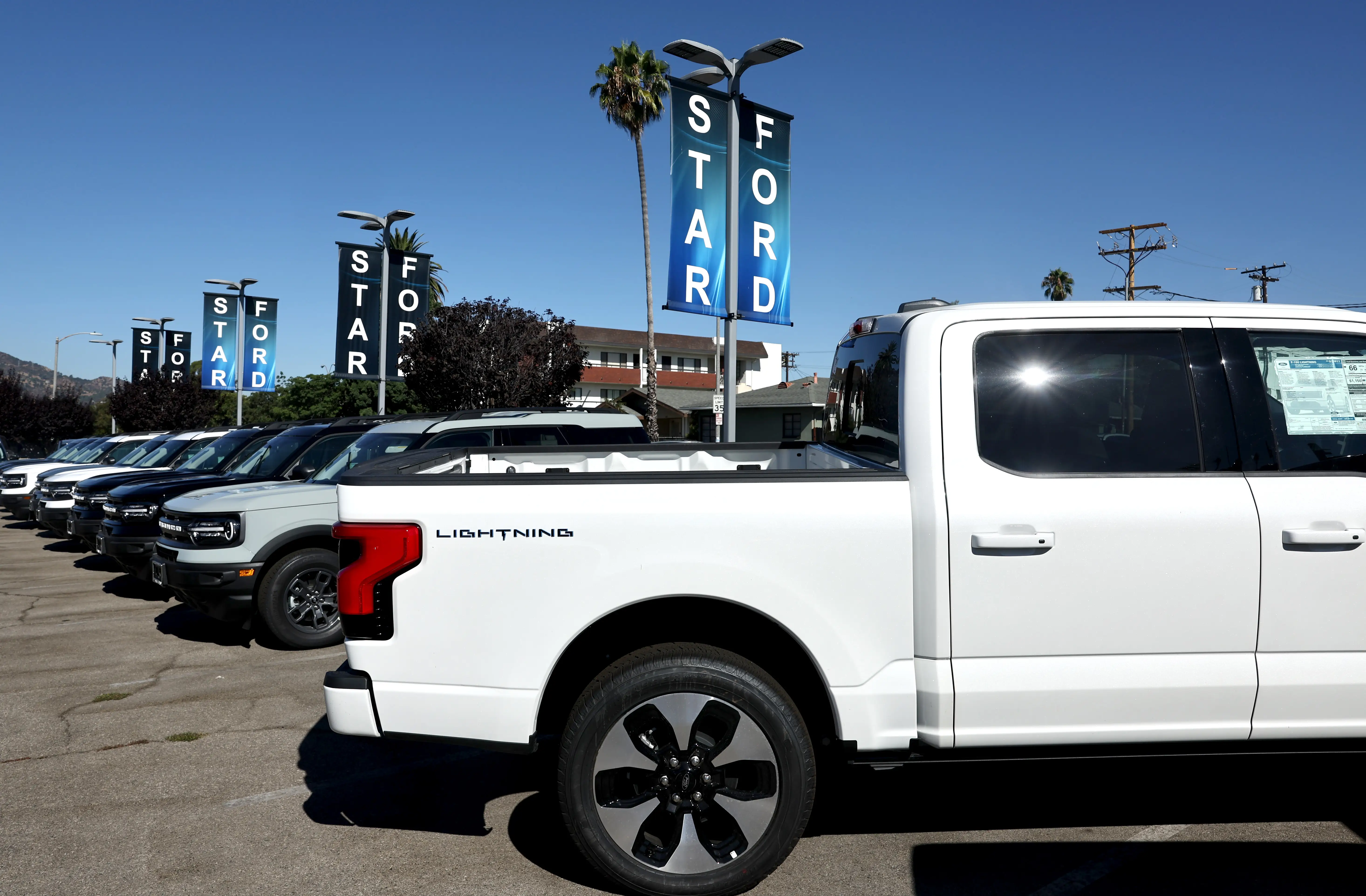
For years, electric vehicles have been more expensive than their gas-powered counterparts. In 2025, a full-size Ford F-150 pickup truck with a fuel tank started at around $38,000, while its fully-electric counterpart (which has since been discontinued) had a starting price in the mid-$50,000 range.
The same EV markups on similarly-sized cars have marred product lineups at Hyundai, Kia, General Motors, Stellantis, and BMW.
Now, Ford is aiming for a starting price of about $30,000 — though that figure remains a target rather than a finalized sticker price. If Ford hits this goal, the electric pickup’s price would be in the same ballpark as the similarly sized, gas-powered Maverick.
RAV4 room and Mustang speed

Ford says the pickup compares favorably to some of the most well-recognized names in the US auto industry.
The company tells Business Insider it will offer more passenger space than a Toyota RAV4, despite its relatively compact footprint. There’s plenty of space for suitcases and bags, too: It will include both a conventional truck bed and extra storage in the front trunk, or frunk.
Ford has also said the truck will accelerate about as quickly as a Mustang EcoBoost. The automaker projects that the pickup’s five-year ownership cost will be lower than that of a three-year-old used Tesla Model Y.
A platform designed for more than one truck

In 2022, the Blue Oval launched a skunkworks program to develop a new lineup of easier-to-build, cheaper-to-buy electric vehicles called the Universal EV Platform. That program is radically changing how the century-old automaker is building EVs.
Instead of using the traditional moving assembly line popularized in Ford’s early days, the company is adopting an “assembly tree” production system. Ford plans to build its front, rear, and structural battery-and-interior sections separately before joining them together.
The cars will run on lithium-iron-phosphate prismatic batteries produced at BlueOval Battery Park in Marshall, Michigan.
Ford says the structural battery pack will also serve as the vehicle’s floor, reducing weight and complexity. The company says its coming vehicle is 15% more aerodynamically efficient than any other pickup on the market.
The new builds will be simpler. Ford says the vehicles will use 20% fewer parts, 25% fewer fasteners, and 40% fewer workstations.
The Louisville Assembly Plant in Kentucky, where Ford will build the new trucks, is getting a fresh investment of nearly $2 billion. The company has put the wider investment in the truck, factory, and US battery production at about $5 billion.
Ford has shown silhouettes suggesting the platform could support vehicles including a hatchback, SUVs, and a cargo van. The company has not confirmed which of those models will reach production.
An EV market under pressure
Ford’s new truck is taking shape during an uneven moment for America’s EV market.
US electric-car sales improved from the first quarter to the second, but remained 20.5% below their year-earlier level, according to Cox Automotive.
Some companies found pockets of momentum: Rivian’s sales rose 13.7% during the first half of the year, Hyundai’s Ioniq 5 gained 8.6%, and Toyota’s EV deliveries more than doubled from a relatively small base (though the company confirmed to Business Insider that it’s delaying the launch of its Highlander EV by at least eight weeks). Tesla also beat Wall Street’s expectations for global deliveries, although its estimated US sales remained down for the year.
Ford has been on the losing side of that divide. Its US EV sales fell 40.7% in the second quarter and 57.4% during the first half. GM’s EV brands collectively fell by roughly a third in the quarter.
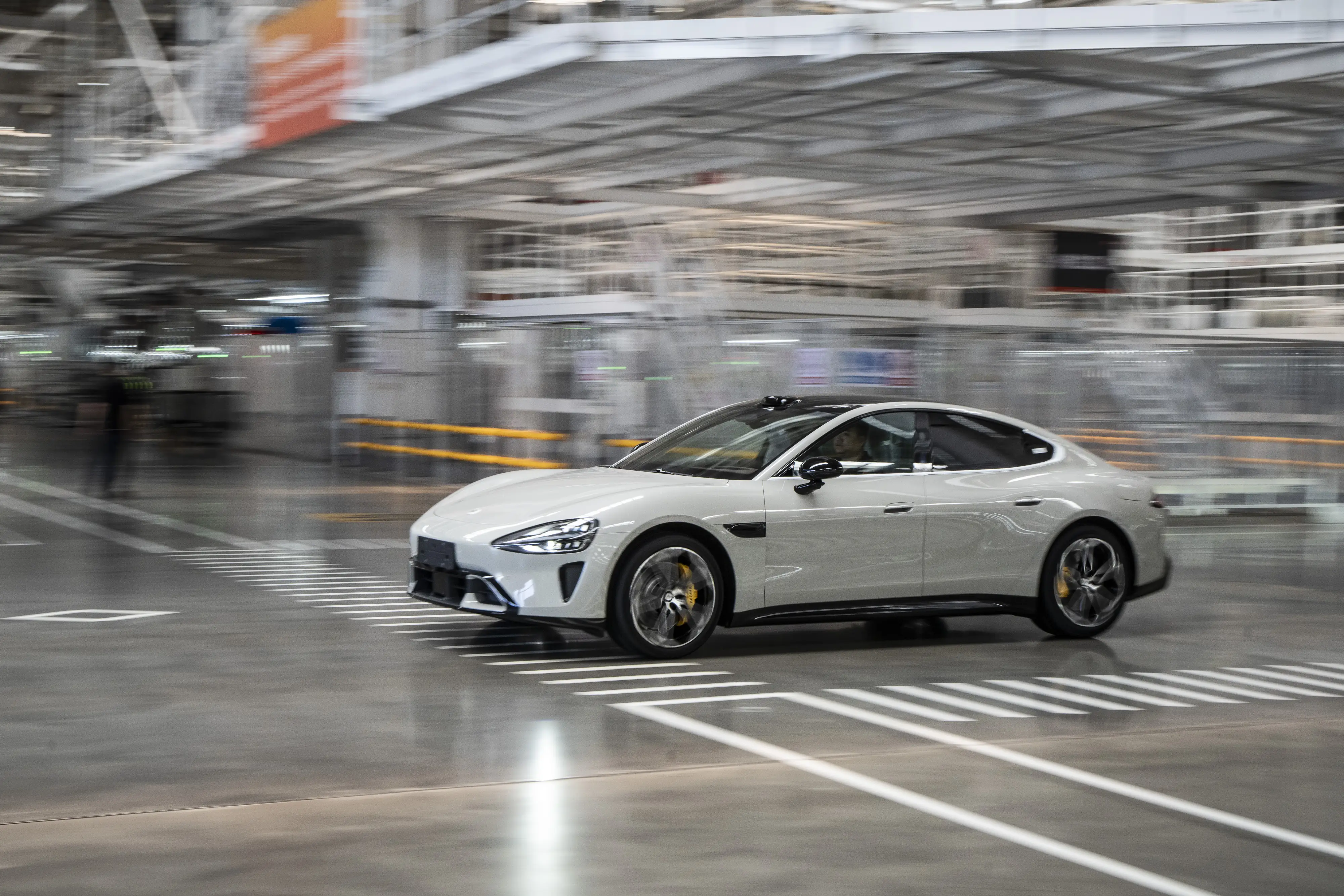
Every one of those US automakers is feeling pressure from Chinese EV makers. China-based car companies, including BYD and Xiaomi, have introduced lower-cost, faster-charging, technology-heavy EVs and expanded into global markets. BYD overtook Tesla as the world’s largest seller of battery-electric vehicles last year.
Ford CEO Jim Farley has studied that competition from behind the wheel. He had a Xiaomi SU7 shipped to the US and drove it for six months, calling it “fantastic” and saying he did not want to give it up.
Ford’s $30,000 truck is its attempt to turn that alarm into something American customers can buy.
Read the original article on Business Insider