

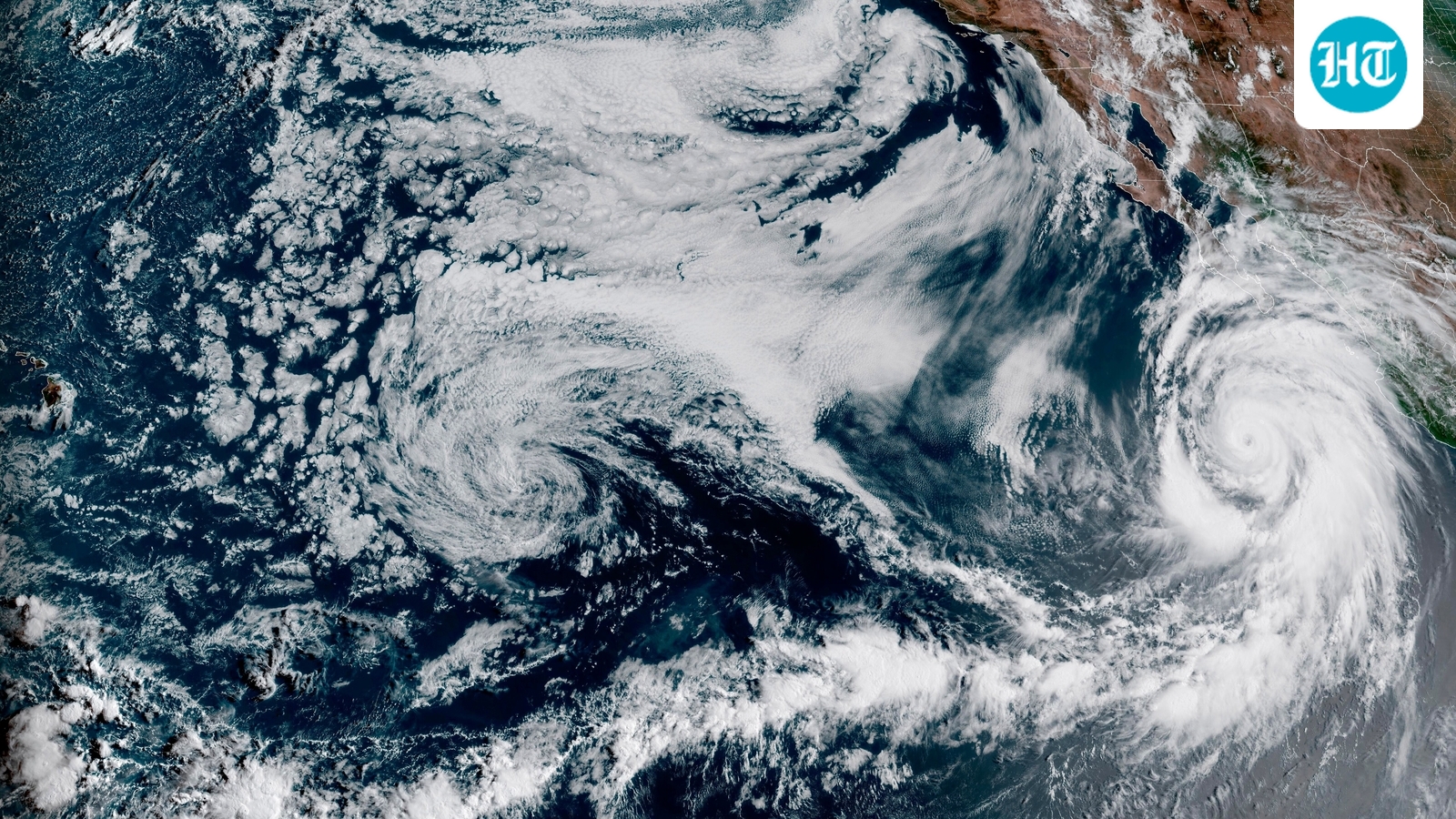
Much of the world is preparing for a strengthening El Nino, with the World Meteorological Organization saying the climate pattern is expected to become stronger during the second half of 2026. Forecasts suggest it could bring major weather changes across many parts of the world, including the United States.
What is El Nino and why is it turning ‘super’?
Much of the world is preparing for El Nino, which is forecast to strengthen over the second half of 2026 into a Super El Nino. Muhammad Azhar Ehsan, an associate research scientist at the Columbia Climate School, said, “The tropical Pacific is already showing several classic early warning signs. Subsurface ocean temperatures across the central and eastern equatorial Pacific have become significantly warmer than average, and that excess heat is beginning to rise toward the surface- a key ingredient for El Nino formation.”
El Nino is a natural climate pattern that happens when sea-surface temperatures in the central and eastern tropical Pacific Ocean become warmer than average. In a Super El Nino, surface waters around the equator are more than two degrees Celsius warmer than average.
According to the World Meteorological Organization, El Nino will continue to steadily intensify into a strong event during August-October 2026, with forecasts showing sea-surface temperature anomalies expected to exceed 2.9 degrees Celsius in key monitoring regions. However, the WMO says “Super El Nino” is not an official term and is not used in its official forecasts.
Also Read: Kanan Fire erupts near Thousand Oaks and Westlake Village; smoke chokes Conejo Valley as residents share videos
Which US states could see heavy snow?
According to Columbia University, a Super El Nino typically leads to milder winters in the northern United States and wetter conditions in the southern parts of the country. It noted, “In December 1997, a very strong El Nino brought wetter-than-normal conditions across most of the southern U.S., while the northern states experienced warmer-than-average temperatures, making it the second warmest and seventh wettest winter since 1895.”
However, a map from Newsweek showed that four states are more likely to see “significant snow” this winter- California (in the Sierra Mountain range), New Hampshire, New York and Vermont.
Meanwhile, southern states along the Gulf and Atlantic Ocean will see periods of heavy rain and cool fronts.
Johnna Infanti, a meteorologist at NOAA’s Climate Prediction Center, said, “Currently, we are predicting above-normal precipitation during the fall and winter seasons over much of the Southern US The highest probabilities for above-normal precipitation are over the Gulf States and parts of the Southeast to Mid-Atlantic, indicating the areas where we have the most confidence,” as per Newsweek.
Also Read: Who is Jordan Salinas? 5 things to know about the ‘hero’ bystander who confronted Idaho shooter Chad Williams
UN issues warning as El Nino strengthens
UN Secretary-General Antonio Guterres warned about the impact of the strengthening El Nino, saying, “El Nino is not just on our doorstep- it is inside the house and turning up the heat. And this is only a warm-up act. El Nino is strengthening- adding fuel to a planet already on fire with scorching heat domes, apocalyptic wildfires and record hot seas. Fossil fuels are fanning the flames of this crisis. Expansion must stop. More coal, oil and gas will lead to a more combustible future,” as per WMO.
WMO Secretary-General Celeste Saulo added, “El Nino is one of the most closely monitored climate phenomena in the world. But forecasts in themselves do not prevent hazards, people do… The decisions we make today will shape the impacts we experience tomorrow.”