

The Federal Government has announced plans to abolish the separation between Junior Secondary Schools and Senior Secondary Schools as part of sweeping education reforms aimed at reducing Nigeria’s growing out-of-school children crisis, where millions of pupils reportedly fail to progress beyond basic education.
The move comes amid alarming data showing that about 20 million pupils reportedly drop out between primary school and junior secondary school, raising fresh concerns over access, transition and completion rates within the basic education system.
According to the government, the existing structure has created a major bottleneck in the education pipeline, where students complete primary education but struggle to transition into junior secondary school due to infrastructural and administrative gaps.
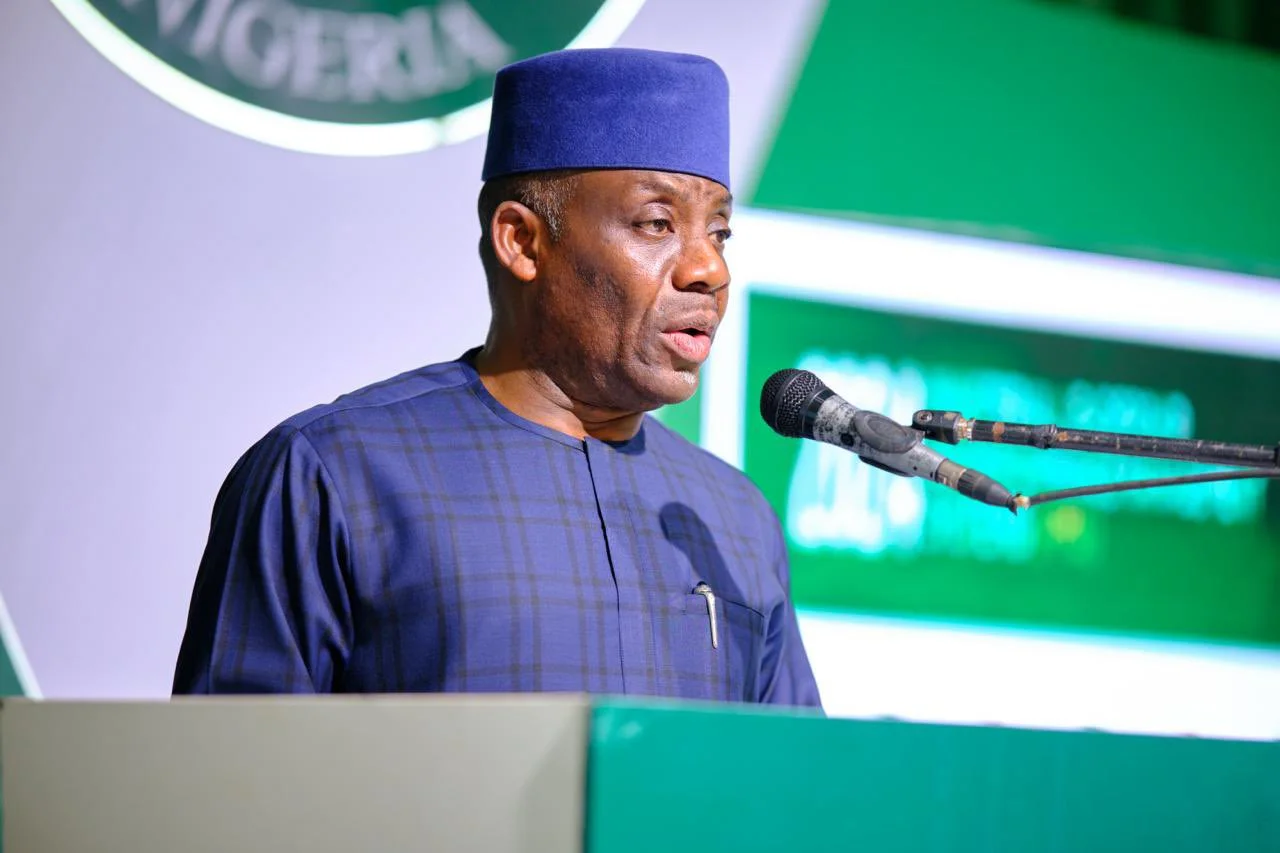
Minister of Education, Tunji Alausa, disclosed the reform on Tuesday in Abuja during the inauguration of the UBEC Ministerial Implementation and Monitoring Committee.
He explained that the current policy requiring Junior Secondary Schools and Senior Secondary Schools to operate separately both physically and administratively has resulted in overcrowded junior secondary schools and underutilised senior secondary schools across several states.
According to him, the arrangement has prioritised administrative structures over students’ learning needs, leaving thousands of children unable to transition smoothly to higher levels of education.
The minister noted that data from states such as Kaduna and other parts of northern Nigeria show a clear imbalance, where junior secondary schools are overstretched while senior secondary schools remain largely underutilised due to the dual-principal system.
“We have 20 million dropouts from primary school to JSS. Where are those students? And what we also noticed was that we have 80,000 public primary schools, and junior secondary schools, we have just about 15,000. That ratio is one to eight.
And if you look at the completion rate, it shows that government has not done what it needs to do. The previous government might have failed in this regard, but “this government will not fail. We’re fixing this. So, we need to open up more opportunities for students to access these schools and improve infrastructure.
This disarticulation policy has also contributed to the problem we are seeing. In states like Kaduna and other northern states, you have one principal for junior secondary school and another for senior secondary schools. We have overflowing JSS, empty senior secondary schools,” he said.
He stressed that the focus must return to what best serves students, noting that Nigeria cannot continue maintaining a system that limits access while expanding bureaucracy.
Alausa added that the proposal to abolish the policy would be presented at the next meeting of the National Council on Education for consideration, as part of efforts to expand access and improve learning outcomes nationwide.
The newly inaugurated committee, chaired by Rashid Aderinoye, has been tasked with ensuring the completion, deployment and effective utilisation of hundreds of Smart Schools, Bilingual Schools and Alternative Schools funded by the Universal Basic Education Commission (UBEC).
The Minister expressed concern that despite significant investment in these projects, many remain unfinished, while several completed schools have not yet been handed over to state governments or integrated into their education systems.
He described the situation as a waste of public resources and a missed opportunity for thousands of children who should already be benefiting from the facilities.
Earlier, the Executive Secretary of UBEC, Aisha Garba, said the Federal Government had made progress in expanding access to basic education through Smart Schools, Bilingual Schools and Alternative Schools initiatives.
She disclosed that 37 Smart Schools have been established nationwide, with 24 already in operation, while others are at various stages of completion and readiness.
She added that under the UBEC–Islamic Development Bank Bilingual Education Programme, 30 schools have been established across nine states, with three already commissioned and others awaiting completion.
Garba also noted that the Alternative Schools Programme is expanding access to education for out-of-school children through flexible and inclusive learning models.
She explained that the newly inaugurated Ministerial Implementation and Monitoring Committee will oversee project delivery, resolve bottlenecks and ensure government investments translate into functional schools across the country.
Speaking on behalf of the committee, Aderinoye pledged that members would carry out their duties with diligence, transparency and a strong focus on results, assuring that implementation would be closely monitored nationwide.