

For years, fast-food chains fought to steal customers from one another. Increasingly, their biggest competition may be coming from the grocery aisle.
As inflation-weary consumers rethink what counts as a good value, supermarkets’ expanding prepared-food offerings are becoming a viable alternative to a drive-thru meal. New foot-traffic data from location analytics firm Placer.ai suggests that the shift is beginning to show up in Americans’ choices about where to eat.
Restaurant traffic has softened overall this year, but the pain hasn’t been evenly distributed. Quick-service restaurants have struggled while fast-casual chains, casual dining restaurants, and fine dining have proved more resilient.
One reason is that grocery stores and superstores are increasingly competing for the same dining occasions with ready-to-eat meals that offer a similar mix of convenience at a lower perceived cost, according to Placer.ai.
“Restaurant chains across all tiers are navigating mounting macroeconomic and competitive pressures in 2026, as rising menu prices weaken traditional value perceptions and consumers increasingly substitute grocery and other food-at-home alternatives,” R.J. Hottovy, Placer.ai’s head of analytical research, told Business Insider.
Grocery chains are doubling down on grab-and-go meals
The findings reinforce a broader trend already taking shape across the grocery industry.
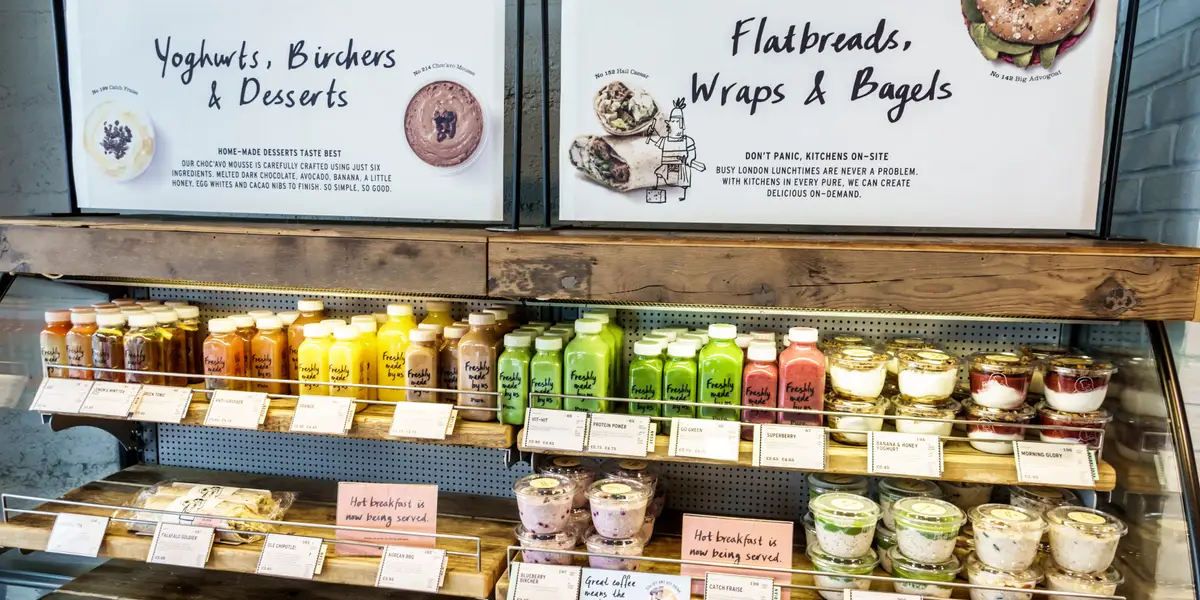
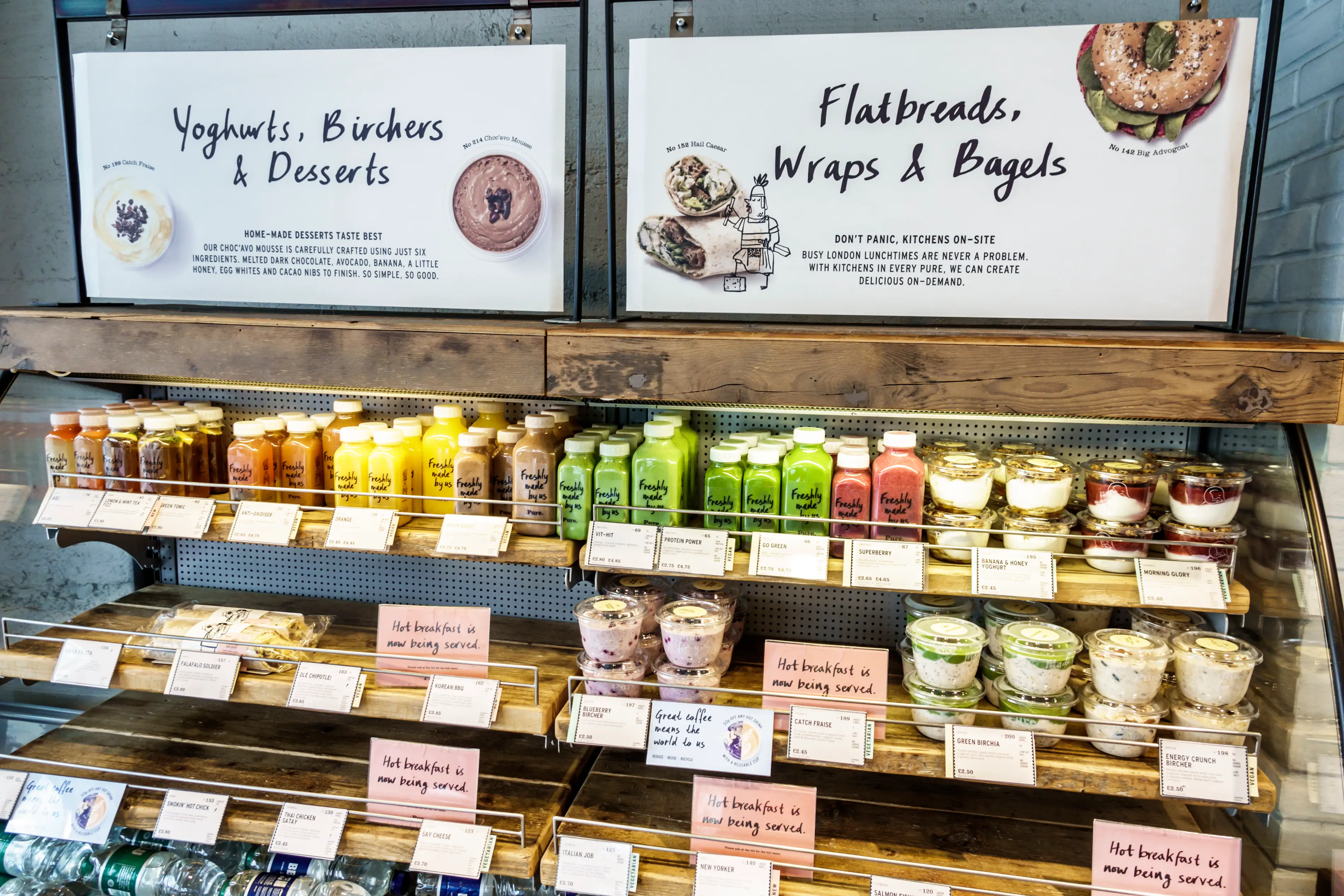
Retailers from Kroger to Whole Foods have invested heavily in prepared foods, while warehouse clubs and mass merchants have expanded grab-and-go meals, sushi counters, hot bars, and other ready-to-eat options to capture more of consumers’ food spending.
Grocery store executives have increasingly described prepared foods as a growth opportunity as shoppers seek restaurant-quality meals without restaurant prices, Business Insider reported last month.
The shift also reflects how consumers define value. Rather than simply looking for the cheapest meal, diners are weighing convenience, quality, and experience alongside price.
Hottovy said visitation data confirms “several success stories across the industry” — particularly fast-casual chains that combine value, menu innovation, and strong operations, such as Chipotle and Cava — while the QSR segment has reported lower foot traffic over four of the last five months.
Years of menu price increases at fast-food chains have narrowed the cost gap between quick-service restaurants and both grocery prepared foods and fast-casual chains, making those alternatives more attractive.
Consumer research from Technomic, a consumer insights company, points in the same direction. 70% of consumers surveyed said groceries prepared at home provide the best value for their money. Retail-prepared foods and restaurant meals were closely tied, with 16% of respondents choosing prepared foods and 15% choosing restaurants — a sign that consumers increasingly see grocery stores as a compelling alternative to eating out.
On recent earnings calls, McDonald’s executives said the company is leaning into its McValue platform and affordability to win over cost-conscious diners, while Yum Brands highlighted Taco Bell’s value offerings and menu innovation as key drivers of traffic.
Both emphasized giving consumers more reasons to choose restaurants as household budgets remain under pressure. That helps explain why nearly every major fast-food chain has spent the past year talking up value: consumers aren’t only weighing one restaurant against another anymore; they’re weighing it against what’s for dinner at the grocery store.
Read the original article on Business Insider