

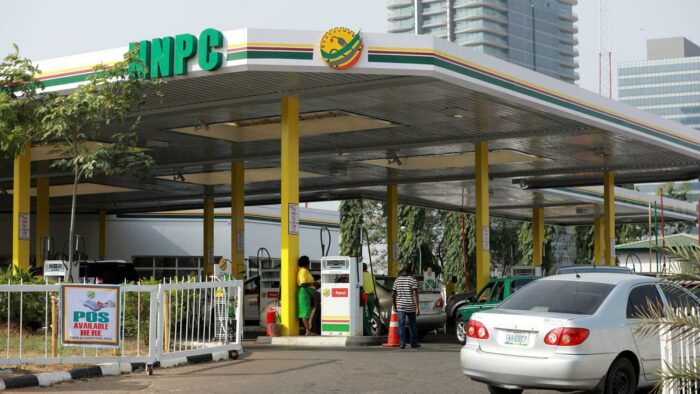
The Nigerian National Petroleum Company Limited (NNPCL) has announced another reduction in the pump price of Premium Motor Spirit (PMS), popularly known as petrol, marking the second downward review in less than two weeks as competition continues to reshape Nigeria’s downstream petroleum sector.
A market survey conducted on Sunday showed that NNPCL retail outlets across several locations have adjusted the pump price of petrol from N1,210 per litre to N1,150 per litre, representing a N60 reduction for motorists purchasing the product at the company’s filling stations.
The latest adjustment comes amid a series of price cuts by major players in the petroleum industry, with consumers beginning to experience some relief after months of fluctuating fuel prices.
Second reduction within two weeks
The latest price adjustment means NNPCL has now reduced its petrol pump price by a cumulative N110 per litre within a period of less than two weeks.
Between June 27 and July 5, 2026, the state-owned energy company implemented two separate reductions aimed at aligning its prices with prevailing market realities.
The move is expected to intensify competition among petroleum marketers, many of whom have also begun reviewing their pump prices in response to developments in the market.
Motorists who depend on NNPCL retail outlets are expected to benefit from the latest reduction, while industry observers believe more adjustments could follow if current market conditions persist.
Dangote Refinery continues to influence market
NNPCL’s latest decision comes just days after Dangote Refinery announced another reduction in its ex-depot, or gantry, price of petrol.
The privately-owned refinery lowered its gantry price to N1,075 per litre, marking the fourth reduction in its wholesale petrol price within a relatively short period.
Industry stakeholders say Dangote Refinery’s pricing strategy has continued to influence the downstream market, compelling other suppliers and marketers to review their own prices in order to remain competitive.
The growing rivalry between suppliers is increasingly creating a more competitive fuel market, with consumers emerging as the major beneficiaries.
Independent marketers also reduce prices
The downward trend is not limited to NNPCL alone, as several independent petroleum marketers have also adjusted their retail prices.
Earlier reports showed that NIPCO, AA Rano and Ranoil reduced their pump prices to between N1,205 and N1,240 per litre.
The adjustments reflect the broader response by marketers to declining wholesale prices and increased competition within the deregulated downstream petroleum sector.
Additional filling stations could announce similar reductions in the coming days if supply conditions remain stable and wholesale prices continue to decline.
Crude oil prices ease globally
The latest reductions in domestic petrol prices have coincided with a decline in international crude oil prices.
At the time of reporting, Brent crude was trading at approximately $72 per barrel, while West Texas Intermediate (WTI) crude stood at around $68 per barrel.
Lower crude oil prices generally reduce the cost of refined petroleum products, although domestic pricing is also influenced by factors such as foreign exchange rates, transportation costs, taxes and supply chain expenses.
The easing in global oil prices has provided an opportunity for suppliers to lower wholesale prices, with marketers subsequently passing part of the savings on to consumers.
Consumers welcome price relief
The latest reduction is expected to be welcomed by motorists, transport operators and businesses that rely heavily on petrol for daily operations.
Many Nigerians have faced rising transportation and operating costs following the deregulation of the downstream petroleum sector, making every reduction in fuel prices significant for households and businesses alike.
The sustained competition among fuel suppliers could help stabilise prices over time, provided international oil prices remain favourable and supply chains continue to improve.
With NNPCL and other major marketers now adjusting their prices downward, attention will be on whether further reductions are announced in the coming weeks as the market continues to respond to changing economic and global oil market conditions.