

Education
THE National Commission for Mass Literacy, Adult and Non-Formal Education has strengthened vocational training alongside literacy to improve livelihoods and economic independence nationwide.
Acting Executive Secretary, Dr John Onimisi, disclosed this on Friday in an interview with the News Agency of Nigeria (NAN) in Abuja, highlighting reforms targeting functional adult education.
He said nearly 900,000 people became literate across the 36 states and the Federal Capital Territory during the previous year through commission programmes.
Onimisi said literacy training now combines vocational skills, ensuring beneficiaries acquire practical knowledge that enables them to become economically self-reliant after completing their studies.
According to him, learners receive training in fashion design, home economics, beauty and cosmetology, digital literacy and other income-generating skills alongside basic education.
He added that beneficiaries also receive starter packs to support their transition into productive economic activities after completing vocational and literacy programmes.
“We are combining literacy with vocational skills acquisition to empower learners economically and improve their livelihoods,” Onimisi said.
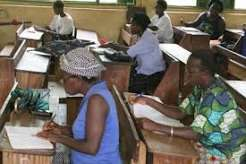
He explained that the commission provides inclusive education for adults, youths, school dropouts, internally displaced persons and other vulnerable groups through nationwide learning centres.
According to him, adult learning centres operate flexible schedules agreed with learners, enabling participants to balance education with work, business and family responsibilities.
Onimisi said the commission had established zonal offices across the six geopolitical zones alongside 11 state offices to strengthen adult and non-formal education delivery.
He added that community learning centres operate in 14 states, while the Minna Resource Centre and the National Centre for Adult and Non-Formal Education support programmes.
In spite of the progress, Onimisi identified inadequate funding as one of the commission’s greatest challenges affecting expansion of literacy programmes across the country.
He also cited poor public awareness, shortages of qualified facilitators, insufficient teaching materials and weak support from some state governments as major setbacks.
According to him, although the commission has regained its autonomy, stronger investment remains essential to expand literacy opportunities for millions of Nigerians.
“We need greater investment and stronger collaboration with state governments and other public institutions to expand access to literacy programmes nationwide,” he said.
Onimisi appealed for stronger government recognition of adult and non-formal education to accelerate national development through improved literacy and employable skills.
He said partnerships with relevant agencies, the private sector and development organisations would deepen literacy interventions and vocational training nationwide.
Onimisi urged Nigerians unable to read or write to enrol at their nearest community learning centre, stressing that all programmes are free and accessible.
“It is not too late to learn. Youths who have not acquired basic literacy skills should visit the nearest learning centre today and become literate,” he said. (NAN)
A.I
July 4, 2026
Tags: Dr John Onimisi