

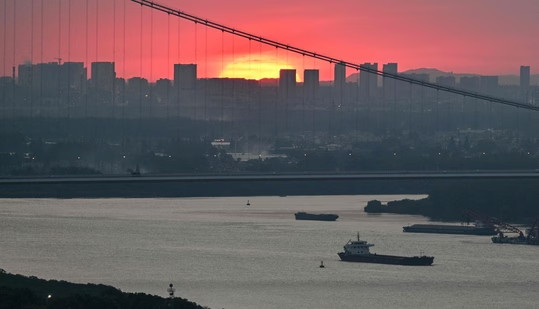
THE MIGHTY Yangtze, running 6,300km from the Tibetan plateau to Shanghai, is sometimes known as China’s “mother river”. Yet it was not always treated with much respect. Sewage and industrial waste were poured into its waters. Millions of tonnes of fish were dragged out. Mega-dams clogged up its channels. It was all too much for some of the Yangtze’s most wondrous inhabitants. The baiji, a white-bellied, nearly sightless dolphin, is probably extinct; so is the gigantic, sword-nosed paddlefish. But not all the damage is permanent. Asia’s longest river is now making a remarkable comeback.
Sweeping protection measures in place since 2021 seem to be aiding a recovery. Fish biomass (the estimated total weight of all the fish in the river) has risen by over 200% since then, after seven decades of decline, according to a study released in February by researchers in China, Canada, America and France. In April other scientists witnessed a rare type of sturgeon breeding in the wild for the first time in two decades. Another study published in July found that a significantly greater proportion of fish in the river were reaching sexual maturity, good news for the prospects of the next generation. The latest government figures, meanwhile, say over 1,400 finless porpoises—a chubby, snub-nosed relative of the baiji that locals call a “river pig”—now live in the river’s basin, up from a low of 1,000 in 2017.