

In a major shake-up of Nigeria’s education system, the Federal Government has announced plans to merge Junior and Senior Secondary Schools once again.
It said the current separation policy is directly fueling the nation’s skyrocketing dropout rates.
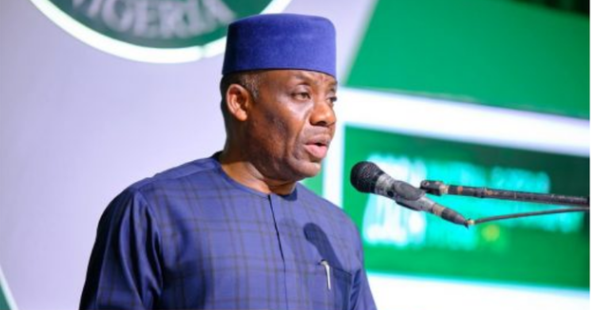
Speaking in Abuja on Tuesday, the Minister of Education, Dr. Tunji Alausa, dropped a alarming statistic: over 20 million students currently drop out between primary and junior secondary school.
According to the minister, who spoke at the inauguration of the UBEC Ministerial Implementation and Monitoring Committee, this staggering number is clear proof that the existing system is broken.
“We have 20 million dropouts from primary school to JSS. Where are those students? We also found we have 80,000 public primary schools and only about 15,000 junior secondary schools. That’s a one-to-eight ratio,” Alausa said.
He explained that the shortage of junior secondary schools has resulted in overcrowded classrooms, while many senior secondary schools remain underutilised, particularly in Kaduna and other Northern states.
Alausa said the policy of operating JSS and SSS separately, with different principals and facilities, has failed.
“This disarticulation policy has failed. We will phase it out. We can’t be creating positions because we want to create a director level for people while we harm our education system. It’s about doing what is best for every Nigerian child,” he said.
The minister said the proposal to scrap the policy will be presented at the next meeting of the National Council on Education.
He added that the move is aimed at improving access to education and increasing the number of students who progress to senior secondary school.
“This government will not fail. We are fixing it,” Alausa said.
The minister also inaugurated a committee led by Prof. Rashid Aderinoye to monitor UBEC-funded smart schools, bilingual schools and alternative schools across the country.
The committee will ensure that the schools are completed, handed over to state governments, and opened for learning.
Alausa noted that many of the schools built with public funds remain unfinished or have not admitted students, describing the situation as a waste of government resources.