

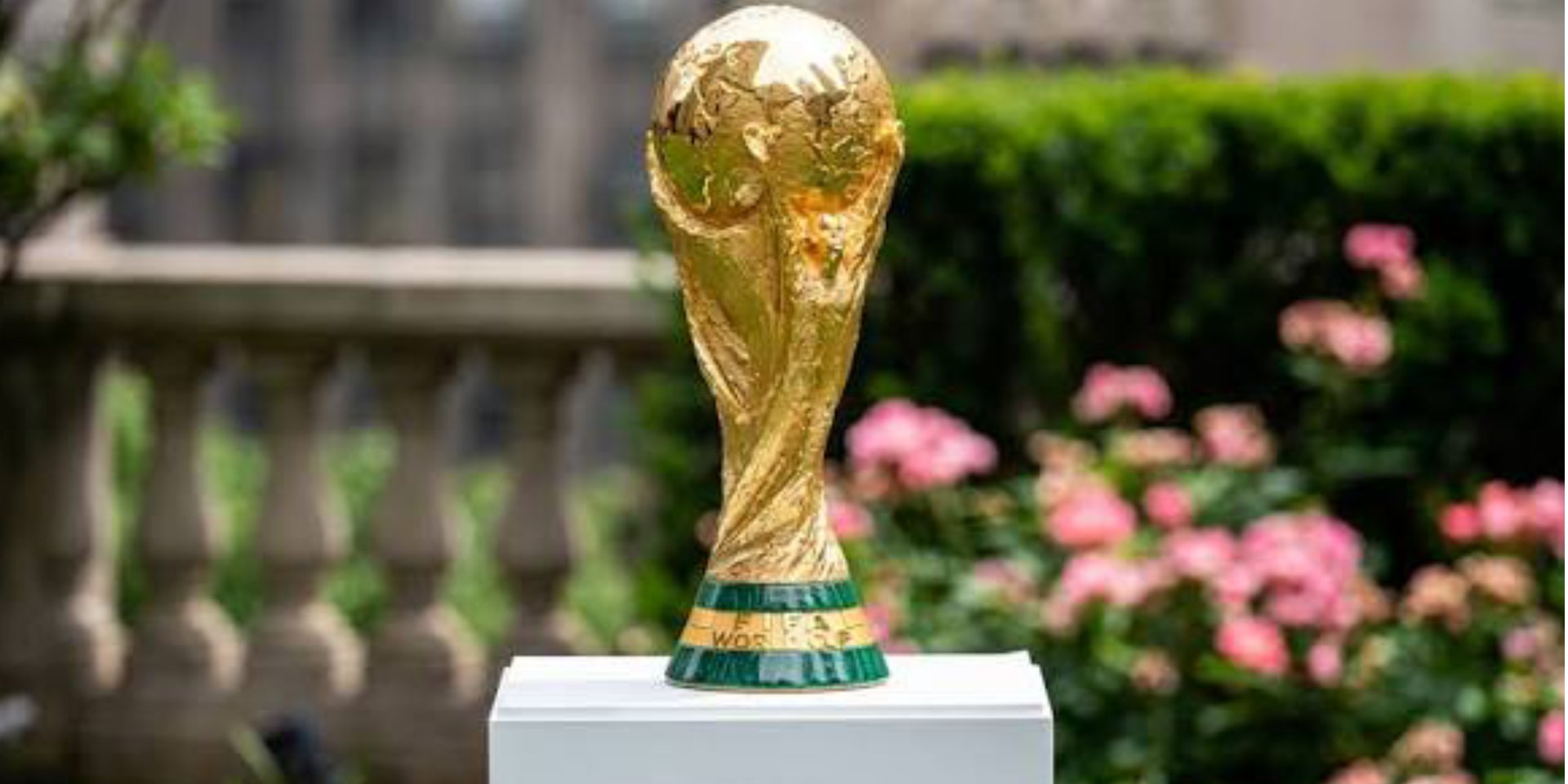
Eight Arab nations will play at the 2026 FIFA World Cup this summer, raising the chances of more teams from the region making an impact at the FIFA showpiece.
Read on as we analyse which Arab teams could make it to the knockout stage of the tournament in the United States, Canada and Mexico.
Morocco are the Standard Bearers
Morocco are the strongest Arab team and will carry the weight of expectation following their unforgettable run to the semi-finals in Qatar in 2022.
After changing perceptions of what is possible for Middle East and North Africa (MENA) teams, the Atlas Lions will be hoping to go a step further despite moving on from head coach Walid Regragui.
Paris Saint-Germain’s Achraf Hakimi will lead the squad, while Real Madrid’s Brahim Diaz offers an abundance of creativity in the final third.
Brazil will be formidable group stage opponents, but Morocco will back themselves to make it to the round of 32 ahead of Scotland and Haiti.
Morocco are priced at 150/1 to win the World Cup, and plenty of Arab punters will be willing to wager on them making a deep run this summer.
The Arab World Cup betting sites listed on Arabworldcupbet will be flooded with wagers backing the Atlas Lions to at least reach the round of 16.
Egypt & Algeria Could Make Progress
Egypt have previously failed to live up to expectations at the World Cup, but could rewrite the narrative this summer.
Group stage opponents Belgium are not the powerhouse they once were, while Iran and New Zealand are both beatable.
Consistency is Egypt’s biggest issue. However, if Mohamed Salah and Omar Marmoush sparkle in the group stage, they can make a first appearance in the knockout phase.
Algeria are the dark horse among the Arabian teams. Manager Vladimir Petkovic has extensive experience in knockout football, having led Switzerland for seven years.
Argentina are expected to top Group J, but the battle for second place is wide open. Austria are dangerous, but Algeria will believe they can surmount regional rivals Jordan.
Algeria are not producing the same calibre of talents that they did a decade ago, but they could make progress if they get some luck along the way.
Qatar and Jordan Face Uphill Battles
Qatar and Jordan have reasons to be optimistic, but converting that optimism into performances and results is a different ball game.
Qatar caught the eye by winning the Asian Cup, but their World Cup qualifying record exposed serious weaknesses.
New manager Julen Lopetegui is eager to improve the team, but they are very dependent on Akram Afif for inspiration.
Jordan have qualified for the World Cup for the first time. They showed they can frustrate teams in the 2023 Asian Cup, but the World Cup is an entirely different setting.
Qualification is possible for both teams, but they will need to be near-perfect and hope that results elsewhere favour them.
Saudi Arabia, Tunisia & Iraq Need Something Special
Saudi Arabia and Tunisia have consistently appeared on the world stage in recent years, but both have very difficult assignments on their hand.
Spain and Uruguay in Group H have three World Cups between themselves and will prove major obstacles. Saudi Arabia’s struggles in the attack might also haunt them.
Tunisia are usually organised and difficult to break down, but they are in a group that leaves little margin for error.
They face the Netherlands, Japan and Sweden in Group F, three teams that can punish even the tiniest defensive lapses. Tunisia’s lack of elite offensive talents could prove costly.
Returning to the World Cup after a 40-year absence is already a massive achievement for Iraq. However, the draw has not been kind to them.
They face 2022 runners-up France, a Norway side led by Erling Braut Haaland and Martin Odegaard, and African powerhouse Senegal.
Manager Graham Arnold has experience leading a group of underdogs. Players such as Zidane Iqbal and Ali Al-Hamadi will relish the chance to shine on the biggest stage.