

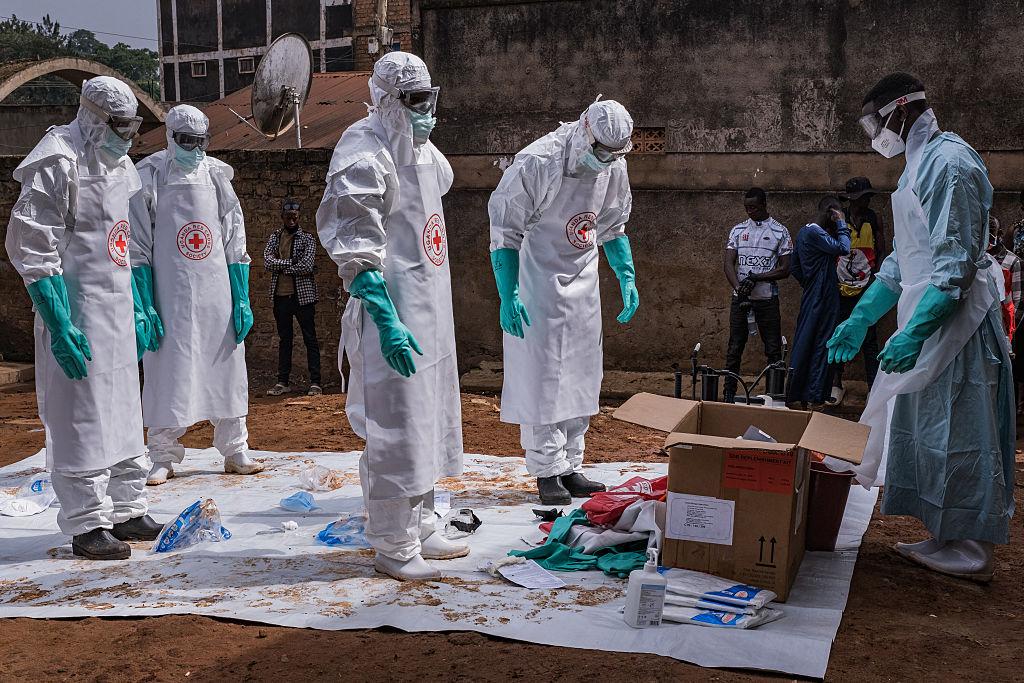
World Health Organization (WHO) Director-General Tedros Adhanom Ghebreyesus has visited Uganda as health authorities intensify efforts to contain a growing Uganda Ebola outbreak linked to neighbouring Democratic Republic of Congo (DRC).
The visit comes amid increasing concerns over the cross-border spread of the deadly virus, which has already claimed lives and triggered heightened surveillance across the region.
Uganda Strengthens Response to Ebola Cases
During his visit, Tedros commended Ugandan authorities for their rapid response to the Uganda Ebola outbreak, highlighting measures put in place to identify cases and limit further transmission.
Health officials have strengthened screening operations at border points, expanded testing capacity and intensified monitoring efforts in affected areas.
According to available data, several confirmed cases in Uganda have been linked to individuals who recently crossed from the Democratic Republic of Congo.
Cross-Border Transmission Raises Alarm
The current Ebola outbreak was first reported in eastern DR Congo in May and has since become a major public health concern in Central and East Africa.
Health authorities say Uganda’s surveillance systems helped detect infected travellers entering the country from across the border.
Officials confirmed that a number of cases recorded in Uganda originated from the Democratic Republic of Congo, while additional infections involve Ugandan nationals.
Deaths Reported Amid Ongoing Outbreak
Health authorities have also confirmed fatalities associated with the outbreak.
The deaths have renewed concerns about the continued threat posed by Ebola, particularly in regions with significant cross-border movement.
Medical experts warn that early detection, contact tracing and public awareness remain essential to limiting the spread of the disease.
WHO Pledges Continued Support
The WHO said it is working closely with Uganda, the Africa Centres for Disease Control and Prevention and other international partners to strengthen containment efforts.
Tedros expressed confidence that coordinated action between governments and health agencies could help bring the outbreak under control.
He stressed the importance of regional cooperation, surveillance and public health preparedness in preventing further transmission.
No Approved Vaccine for Current Ebola Strain
Health experts note that the current outbreak involves the Bundibugyo strain of Ebola, for which no specific approved vaccine or treatment currently exists.
As a result, authorities are focusing on rapid case detection, isolation of infected persons and intensive monitoring of contacts.
Public health officials continue to urge residents in affected areas to report symptoms promptly and comply with health advisories.
Regional Health Authorities Remain on High Alert
With confirmed infections continuing to emerge, health agencies across East and Central Africa remain on alert.
The Uganda Ebola outbreak has once again highlighted the importance of strong disease surveillance systems and regional collaboration in responding to infectious disease threats.